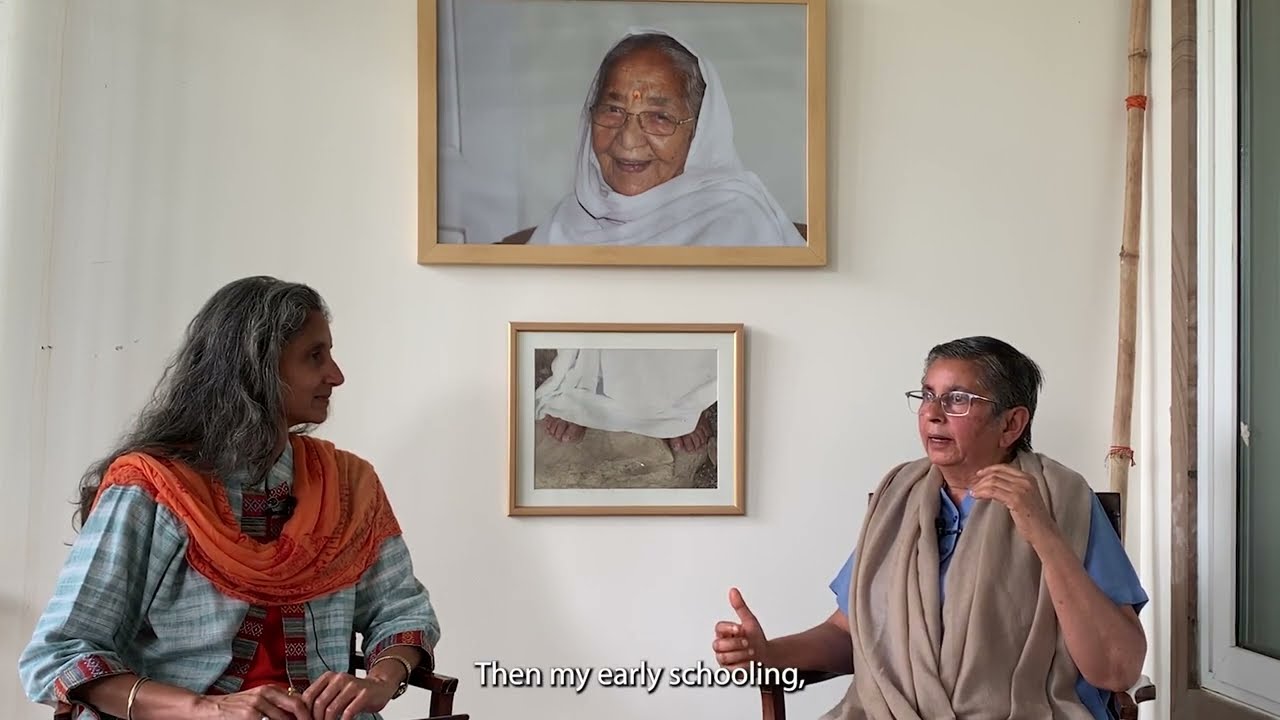
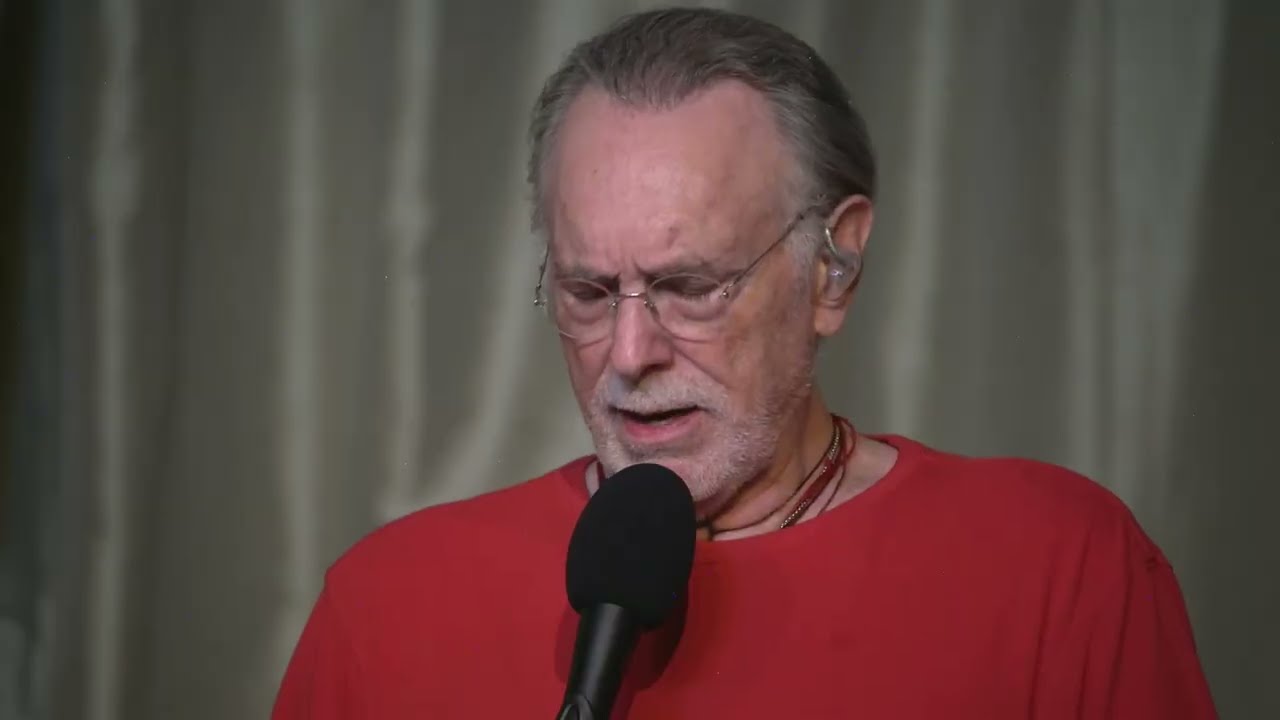
This video captures a live duet performance of the Hanuman Chalisa—a 40-verse Sanskrit devotional hymn to Hanuman, the monkey deity of Hindu mythology—sung by kirtan artists Krishna Das and Nina Rao. The Chalisa, traditionally attributed to the saint-poet Tulsidas, combines invocations to Ram with praise of Hanuman's strength, devotion, and capacity to remove obstacles. The duet arrangement blends call-and-response kirtan style with the full text of this foundational bhakti scripture, making it accessible to contemporary audiences while honoring its classical roots.
What is the Hanuman Chalisa and why does it matter?
The Hanuman Chalisa is a 40-verse Sanskrit poem (chalisa means "forty" in Hindi) composed in the 16th century by Tulsidas, one of the most revered poets in Hindu devotional literature. Each verse praises Hanuman—the devoted follower of the god Ram in the Ramayana epic—and invokes his blessings for strength, knowledge, and protection from harm. The text opens with invocations to Ram ("Shri Ram Jay Jay Ram"), establishing that Hanuman's power derives entirely from his unwavering devotion to Ram.
The Chalisa functions as both a meditation and a practical spiritual tool in Hindu practice. Devotees chant it for courage, clarity, and resolution of obstacles—not as superstition, but as a way of aligning consciousness with qualities associated with Hanuman: fearlessness, single-pointed focus, intellectual clarity, and service without ego. The practice is widespread across India and among Hindu practitioners worldwide, with many people reciting it daily or in times of difficulty.
How does the duet format serve the sacred text?
The performance by Krishna Das and Nina Rao uses call-and-response, a cornerstone of kirtan practice. One voice leads a phrase or verse; the other joins, creating a layered, conversational quality that draws listeners into the rhythm rather than asking them to simply receive. This format has deep roots in Indian spiritual tradition—it reflects the guru-student relationship, where teaching happens through musical dialogue rather than lecture.
By arranging the full Hanuman Chalisa as a duet, the artists preserve the integrity of Tulsidas's text while making it emotionally present. The human voices—rather than a single recorded track—allow for breath, pause, and the subtle variations that come with live performance. Listeners can follow the Sanskrit more easily when two voices alternate, as the musical phrasing becomes clearer and the meaning of each verse has space to land.
What are the major themes within the 40 verses?
The Hanuman Chalisa moves through several interconnected themes:
- Invocation and salutation: The opening verses call upon the guru, invoke Ram, and ask for purification of the mind. Tulsidas begins with "Mangal Murti Marate Nand" (the auspicious form who brings joy), establishing Hanuman as an embodiment of divine grace.
- Hanuman's divine qualities: Verses 2–20 celebrate Hanuman's strength (bala), intellect (buddhi), and knowledge (vidya). The text describes his form as radiant, his valor as unmatched, and his role as the destroyer of demons and obstacles. One well-known verse praises him as "Atulita Baldhaam" (of unequaled strength) and identifies him as the son of the wind god (Pavansut), which explains both his physical power and his swift, boundless movement.
- Hanuman's deeds in the Ramayana: Verses 21–32 recount episodes from Hindu mythology—Hanuman's reconnaissance of Lanka, his rescue of Sita, his various shapeshifting displays. These are not presented as mere stories but as evidence of Hanuman's loyalty and the fruits of surrendered service.
- The power of his name and remembrance: Verses 33–39 assert that speaking or remembering Hanuman's name dispels disease, fear, and suffering. "Jap Nirantar Hanumat Veer" (continuous remembrance of the valiant Hanuman) becomes the practice itself—the chant is not separate from the benefit; the practice IS the medicine.
- Closing blessing: The final verses and the colophon credit Tulsidas and promise that recitation of the Chalisa brings both worldly success and liberation. The text ends where it began, with "Shri Ram Jay Jay Ram," tying all praise back to Ram.
What does "Ocean of Ram" signify in the title?
The album from which this duet is drawn, Antarayaami: Knower of All Hearts, uses the metaphor of ocean and depths to suggest the infinite nature of devotion. "Ocean of Ram" echoes the Ramayana tradition itself—Ram is understood as infinite consciousness, and the ocean becomes a symbol of both vastness and the depths one can dive into through practice. The Hanuman Chalisa, by extension, is presented not as a set of words to recite mechanically, but as an ocean one enters, where each repetition carries you deeper.
How does Krishna Das approach the Hanuman Chalisa?
Krishna Das (often called KD in the kirtan world) is known for making Sanskrit chants accessible to Western and contemporary Indian audiences without diluting their power. His approach emphasizes feeling over perfect pronunciation, and continuity of practice over intellectual understanding. In this duet, his voice anchors the chant—he often takes the lead phrase, allowing his experience as a long-time practitioner to set the pace and emotional tone. His presence signals to the listener that this is not a performance meant to be admired from a distance, but an invitation to participate in a living tradition.
How does Nina Rao's arrangement honor the original text?
Nina Rao, who produced this version on Antarayaami, is a classically trained vocalist in both Indian and Western traditions. Her arrangements typically use the full Sanskrit text without added English lyrics or simplification. In this duet, she likely handled both the melodic composition and the vocal arrangement—ensuring that the rhythm and phrasing support the meaning of each verse. The call-and-response structure allows both singers to share the emotional weight, and the live context means neither voice dominates; instead, they create a shared space of devotion.
Why does the Hanuman Chalisa remain central to contemporary practice?
Despite being composed over 500 years ago, the Hanuman Chalisa has not faded into historical obscurity. Many contemporary spiritual teachers—both in traditional Hindu contexts and in global yoga and meditation circles—recommend it for students facing obstacles, self-doubt, or lack of mental clarity. The reason is practical: the chant works with the nervous system and the mind through rhythm, Sanskrit phonetics, and the psychological effect of focusing on qualities (strength, clarity, service) that counteract modern anxiety and fragmentation.
The duet format in this video makes the Chalisa available to people who might not have access to a guru or a traditional kirtan circle. The performance becomes a gateway into a centuries-old practice, and the listener can return to it as often as needed—not as entertainment, but as a tool for transformation of consciousness.
Where to go from here
If this performance resonates with you, consider learning the Sanskrit text yourself—even if only phonetically. Many recordings and printed versions include transliteration alongside the original script. The practice deepens when your own voice becomes the vehicle, as the vibration of the words moves through your own nervous system. You might also explore Krishna Das's other recordings and teachings on kirtan practice, or investigate the broader Ramayana tradition to understand Hanuman's role within the larger narrative. Finally, if you have access to a live kirtan circle or a teacher trained in this lineage, attending in person offers the embodied experience of call-and-response that this video captures but cannot fully replace.