SportsCampFinder

Ver Todos los Camps

Find the perfect camp for your athlete

camps

Basketball Camps
Soccer Camps
Baseball Camps
Football Camps
Volleyball Camps
Lacrosse Camps
Multi-Sport Camps
Elite Training
Overnight Camps
Day Camps
Destinos Populares
BaliSedonaLos AngelesCosta RicaNew YorkSan FranciscoAustinMiamiJoshua TreeTulum
Ver Todas las CategoríasVer Todos los Destinos

Explorar Todas las Características

Herramientas poderosas para hacer crecer tus eventos

Características de la Plataforma

Precios Dinámicos Inteligentes
Categorías de Entradas
Asientos Asignados
Recuperación de Carritos
Recuperación de Visitantes
Donaciones y Escala Móvil
Motor de Afiliados
Escáner de Entradas
Códigos de Cupón
Preguntas Personalizadas
Compartir Entradas
Ventas Adicionales
Análisis e Informes
Secuencias de Email
Lista de Espera / Notificar / Recordar
Personas y Lugares
Camp OrganizersCamp FacilitiesKnowledge BaseInspiration
Ver Todas las CaracterísticasSobre Nosotros
PreciosBlog
Language
Saved events
Ver Todos los Eventos

camps

Basketball CampsSoccer CampsBaseball CampsFootball CampsVolleyball CampsLacrosse CampsMulti-Sport CampsElite Training

Destinos Populares

BaliSedonaLos AngelesCosta RicaNew YorkSan Francisco

Personas y Lugares

Camp OrganizersCamp FacilitiesKnowledge BaseInspiration

Características de la Plataforma

Precios Dinámicos InteligentesCategorías de EntradasAsientos AsignadosRecuperación de CarritosRecuperación de VisitantesDonaciones y Escala MóvilMotor de AfiliadosEscáner de EntradasCódigos de CupónPreguntas PersonalizadasCompartir EntradasVentas AdicionalesAnálisis e InformesSecuencias de EmailLista de Espera / Notificar / Recordar
Ver Todas las CaracterísticasSobre Nosotros
PreciosBlog
Iniciar sesiónParents & athletesCamp directors
  • Browse all camps
  • Basketball Camps
  • Soccer Camps
  • Baseball Camps
  • Football Camps
  • Volleyball Camps
  • Lacrosse Camps
  • Multi-Sport Camps
  • Elite Training
  • All sports →
  • Orlando
  • Los Angeles
  • New York Metro
  • Dallas / Fort Worth
  • Chicago
  • Phoenix / Scottsdale
  • Atlanta
  • Denver
  • Seattle
  • Boston
  • Houston
  • Philadelphia
  • San Diego
  • Minneapolis / St. Paul
  • Todas las Ciudades →
  • List your camp
  • Camp director dashboard
  • Pricing
  • Coaches & academies
  • Online registration & payments
  • Waivers & medical forms
  • Check-in app
  • Family messaging
  • Waitlist & notify
  • Camp marketing
  • Reports
  • All features →
  • About SportsCampFinder
  • Camp guides
  • Help Center
  • Contact
  • Careers
  • Press
  • Términos de Servicio
  • Política de Privacidad

Camps

  • Browse all camps
  • Basketball Camps
  • Soccer Camps
  • Baseball Camps
  • Football Camps
  • Volleyball Camps
  • Lacrosse Camps
  • Multi-Sport Camps
  • Elite Training
  • All sports →

Destinos

  • Orlando
  • Los Angeles
  • New York Metro
  • Dallas / Fort Worth
  • Chicago
  • Phoenix / Scottsdale
  • Atlanta
  • Denver
  • Seattle
  • Boston
  • Houston
  • Philadelphia
  • San Diego
  • Minneapolis / St. Paul
  • Todas las Ciudades →

Para Camp directors

  • List your camp
  • Camp director dashboard
  • Pricing
  • Coaches & academies

Características

  • Online registration & payments
  • Waivers & medical forms
  • Check-in app
  • Family messaging
  • Waitlist & notify
  • Camp marketing
  • Reports
  • All features →

Empresa

  • About SportsCampFinder
  • Camp guides
  • Help Center
  • Contact
  • Careers
  • Press
  • Términos de Servicio
  • Política de Privacidad
SportsCampFinder
© 2026 SportsCampFinder. Todos los derechos reservados.
Inspiration

Tá Na Báid: Kirtan Music and Irish Language Devotion

Ajeet
Ajeet
May 1, 2020
6 min de lectura

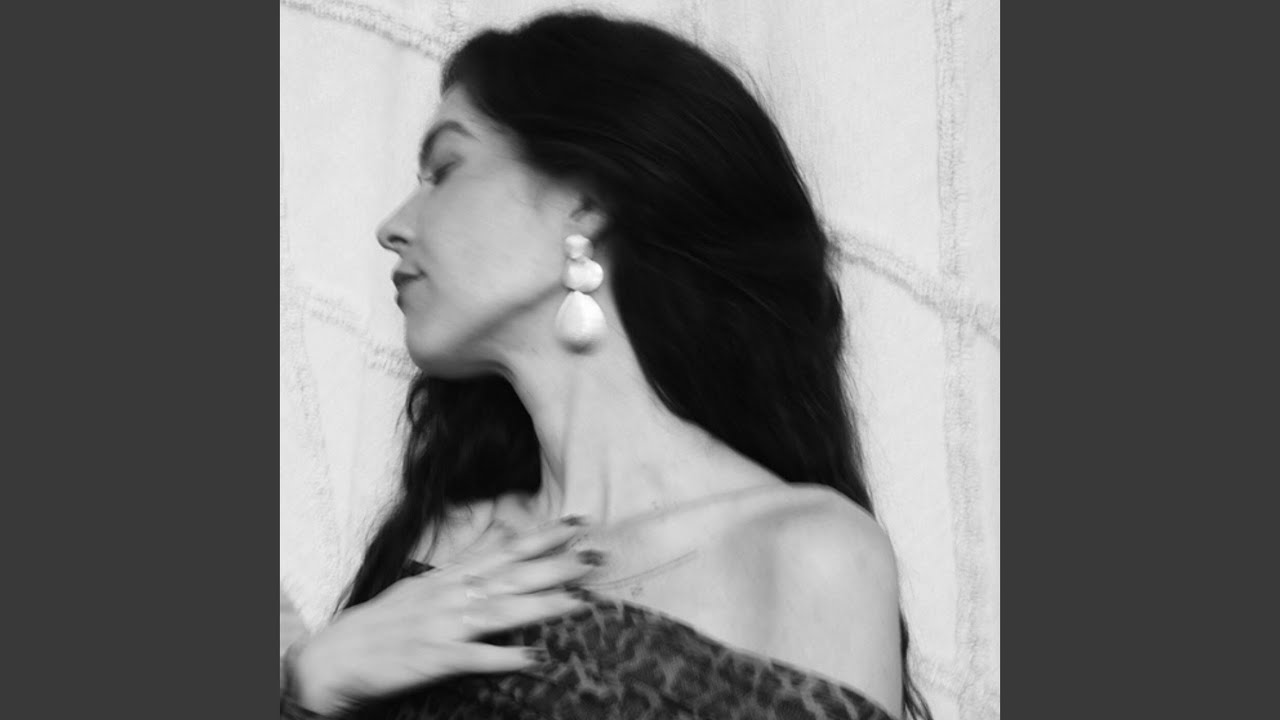
"Tá Na Báid" is a devotional kirtan composition by Ajeet, sung in Irish Gaelic and released on the album Indigo Sea in 2018. The song represents a distinctive approach to contemporary kirtan practice—one that honors linguistic and cultural heritage while maintaining the call-and-response, mantra-based structure central to the kirtan tradition. The work was produced by Siobhán Moore and demonstrates how sacred chanting can be rooted in languages beyond Sanskrit, creating a bridge between Celtic cultural identity and modern devotional music.

Leer · 7 secciones

What Is Kirtan and How Does Language Shape the Practice?

Kirtan is a form of participatory devotional chanting, traditionally rooted in Hindu and Yogic traditions, that has increasingly expanded into Western spiritual communities. The practice centers on call-and-response singing, where a lead vocalist offers a phrase or mantra, and the community responds, creating a collective meditative experience. While many Western kirtan practitioners default to Sanskrit—the classical language of yoga and Hindu scriptures—artists like Ajeet demonstrate that the tradition can authentically flourish in other languages, including Irish.

By choosing to perform kirtan in Irish, Ajeet engages in a form of cultural reclamation and spiritual expression that honors the Gaelic linguistic tradition. This choice raises an important question about kirtan's relationship to language: does the power of the practice depend on Sanskrit's sacred associations, or can devotional intention and communal participation transcend linguistic boundaries? The evidence from artists working in English, Spanish, French, and now Irish suggests that kirtan's essential mechanics—rhythm, repetition, and collective resonance—can operate effectively across languages while remaining true to the practice's contemplative roots.

The Album Indigo Sea and Ajeet's Artistic Vision

"Tá Na Báid" appears on Indigo Sea, released in 2018 and produced by Siobhán Moore. The album title itself evokes water imagery—the indigo-colored sea—which in spiritual traditions often symbolizes vastness, depth, and the infinite. The use of oceanic metaphor aligns with kirtan's function as a spiritual practice designed to dissolve ego boundaries and connect participants with something larger than the individual self.

Ajeet's work as a kirtan artist centers on making devotional music accessible while maintaining its integrity. The decision to record "Tá Na Báid" reflects a commitment to cultural specificity: rather than adopting Sanskrit mantras wholesale, Ajeet creates space for practitioners with Irish heritage or connection to Gaelic language to encounter the sacred through their own linguistic lineage. This approach acknowledges that spiritual practice need not be deculturalized or homogenized to be authentic.

How Does Irish Language Connect to Spiritual Practice?

Irish, or Irish Gaelic, carries its own historical and spiritual weight. As a language that survived centuries of suppression and institutional discouragement, it has become a symbol of cultural resilience and identity for many Irish people. When a kirtan artist chooses to work in Irish, they are not simply substituting one language for another—they are making a statement about where spiritual roots can grow and flourish.

The phrase "Tá Na Báid" translates roughly to "The boats are" or references boats in a state of being—a poetic construction that opens multiple layers of metaphorical meaning. In the context of a spiritual chant, boats can evoke journeys, transitions, navigating life's waters, or the vessel of the body carrying consciousness. The ambiguity inherent in poetic language is itself valuable in devotional practice, as it allows listeners to project their own spiritual understanding onto the repeated phrases.

The Role of Producer Siobhán Moore

While Ajeet is the performer and primary creative voice behind "Tá Na Báid," the production work by Siobhán Moore is instrumental in shaping how the piece is presented sonically. Production in kirtan recordings involves decisions about instrumentation, layering, pacing, and sonic texture that either support or can undermine the meditative intention of the work. A skilled producer ensures that the chant remains clear and accessible while creating an immersive soundscape that encourages participants to enter a receptive, contemplative state.

Kirtan's Growing Global Reach Beyond Sanskrit

The release of "Tá Na Báid" in 2018 occurred within a broader moment of kirtan's global expansion. While the practice remains rooted in its Hindu and yogic origins, contemporary kirtan artists have increasingly experimented with diverse languages and musical styles. This evolution reflects both the authenticity of spiritual pluralism—the recognition that many traditions hold wisdom—and the practical reality that Western practitioners may be more emotionally moved by chants in languages they understand or are culturally connected to.

Artists working in English-language kirtan, such as Krishna Das, have demonstrated substantial audience engagement and spiritual effectiveness. Similarly, the existence of kirtan in languages like Irish suggests that the tradition's core mechanism—repetitive, rhythmic, collective vocalization—functions across linguistic and cultural boundaries. What matters most appears to be sincerity of intention, quality of musical execution, and the willingness of practitioners to show up and participate.

Why Music Matters in Spiritual Practice

Music engages the brain and nervous system in ways that spoken meditation or silent contemplation do not. Rhythmic vocalization activates the parasympathetic nervous system, slowing heart rate and promoting a state of calm alertness. When practiced in community, kirtan adds a layer of social coherence—the experience of moving together, breathing together, and sounding together creates measurable shifts in group consciousness and individual wellbeing.

The choice to record "Tá Na Báid" and release it through platforms like YouTube democratizes access to the practice. While kirtan is traditionally learned and performed in live settings—kirtan circles, yoga studios, ashrams, retreats—recordings allow individuals to encounter the practice at home, building familiarity and eventually creating conditions for deeper engagement when live opportunities arise.

Where to Go From Here

For those curious about kirtan as a practice, listening to "Tá Na Báid" offers a low-barrier entry point, especially for practitioners with Irish heritage or language connection. Consider exploring other recordings from Indigo Sea and Ajeet's broader catalog to develop a sense of the artist's approach to chant and devotion. If you find resonance with the work, seek out opportunities to participate in live kirtan circles in your area, where the full communal and embodied dimensions of the practice become available. For musicians and producers, studying how contemporary kirtan artists blend traditional practice with modern recording technology—and how they honor cultural specificity while remaining accessible—offers lessons for creating spiritually-rooted music in any tradition.

Comments

Loading the conversation…

Ajeet
ArtistAjeet

Kundalini yoga-inspired sacred chant musician who weaves Indian classical music with contemporary folk to create transformative spiritual experiences.

Ver perfilSitio web
Explorar temas
Kirtan-musicIrish-languageDevotional-chantingSpiritual-musicCeltic-culture

¿Tienes Preguntas?

Preguntas Frecuentes

Tá Na Báid translates roughly to "The boats are," a poetic Irish phrase that opens metaphorical layers about journeys and transitions. Ajeet chose to perform kirtan in Irish to honor Gaelic linguistic heritage and provide a path for practitioners to encounter devotional practice through their own cultural roots rather than defaulting exclusively to Sanskrit.
Yes. While kirtan originates in Hindu and yogic traditions that traditionally use Sanskrit, the practice's core mechanisms—rhythmic vocalization, call-and-response, and collective participation—function across languages. What matters most is sincerity of intention, musical quality, and practitioners' willingness to engage.
Recordings provide accessible entry points and allow solo practice, but live kirtan adds embodied dimensions—moving together, breathing synchronously, and experiencing group coherence. Both formats activate the parasympathetic nervous system, though the communal context of live practice creates measurable shifts in individual and collective consciousness.
Siobhán Moore served as the producer for the track, making sonic decisions about instrumentation, layering, and pacing that support the meditative intention of the chant while keeping it clear and accessible to listeners.
Kirtan engages the nervous system through rhythmic vocalization, promoting calm alertness and measurable physiological benefits. As a participatory practice, it also builds community coherence and social connection, making it relevant to contemporary interest in both individual wellbeing and collective healing.
"Tá Na Báid" appears on Ajeet's 2018 album <em>Indigo Sea</em>, produced by Siobhán Moore. Exploring the full album and Ajeet's broader discography will give you a deeper sense of the artist's approach to devotional music and contemporary kirtan practice.

Seguir leyendo

More from Ajeet

Ver Todo
Antarjaamee: Sacred Music for a Broken Heart
Inspire

Antarjaamee: Sacred Music for a Broken Heart

Ajeet Kaur's "Antarjaamee" merges Sikh devotional tradition with contemporary sacred music, exploring spiritual healing through fusion of ta…

1 min read
Finding Your Way: A Kirtan Journey Through Inner Compass
Inspire

Finding Your Way: A Kirtan Journey Through Inner Compass

Ajeet's latest album track explores the spiritual practice of navigating life's crossroads through inner listening and devotional music. A m…

1 min read
Hanuman Chalisa: Ancient Mantra Clears Emotional Channels
Inspire

Hanuman Chalisa: Ancient Mantra Clears Emotional Channels

Krishna Das reveals how chanting Hanuman Chalisa unlocks prana flow through the body's subtle channels, transforming stored trauma into spir…

1 min read
Thursday Night Kirtan: Chanting as Spiritual Practice
Inspire

Thursday Night Kirtan: Chanting as Spiritual Practice

A recording from a mountain retreat, Krishna Das guides a live kirtan session—chanting sacred names as a doorway to the heart and collective…

1 min read

Sigue explorando

Continúa tu camino

Más sabiduría y encuentros de todo el directorio de BrightStar.

Más artículos

Recorre la biblioteca completa de enseñanzas, entrevistas y guías.

Ver todos los artículos →

Maestros y artistas

Explora los linajes, músicos y guías del mundo consciente.

Explorar artistas →

Encuentra un evento

Kirtan, retiros, baños de sonido, breathwork, festivales — muy pronto.

Ver eventos →