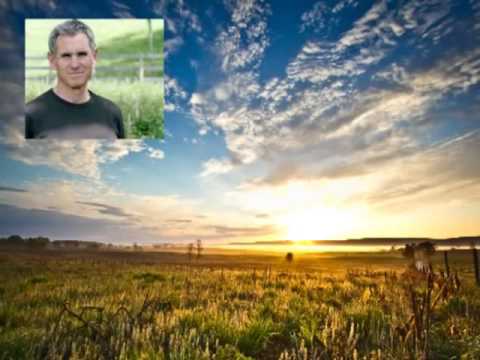
The Art of Stillness: Embracing the Present Moment
In the simple yet profound words of Jon Kabat-Zinn, "Stop running. Sit. Breathe." we find an invitation to pause amidst the chaos of our lives. This call to stillness is not merely a suggestion; it is a profound reminder of the importance of grounding ourselves in the present moment. In a world that often glorifies busyness and constant motion, Kabat-Zinn's words resonate as a gentle nudge toward mindfulness, urging us to reclaim our attention and cultivate a deeper awareness of our inner and outer experiences.
To stop, sit, and breathe is to engage in a practice that transcends mere physical actions; it is a spiritual discipline that invites us to confront our habitual patterns of distraction and restlessness. In this act of pausing, we create a space for reflection, allowing ourselves to reconnect with our breath, our bodies, and the world around us. This moment of stillness serves as a gateway to deeper understanding and insight, reminding us that the essence of life unfolds in the present, not in the relentless pursuit of future goals or the burdens of past regrets.
The image / the metaphor
The imagery in Kabat-Zinn's quote evokes a sense of tranquility and intentionality. "Stop running" suggests a cessation of the frantic pace that characterizes modern existence, while "sit" implies a physical and mental settling into the present moment. The act of breathing, often taken for granted, becomes a focal point, a reminder of the life force that sustains us. Each verb carries weight, inviting us to engage with our experience in a way that is both active and receptive, allowing us to cultivate a sense of presence that is often elusive.
Diving deeper into the metaphor, we can see that stopping, sitting, and breathing are not merely actions but profound practices that invite us to explore the nature of our existence. Stopping is an act of resistance against the societal pressures that demand constant productivity; it is a reclamation of our time and attention. Sitting embodies the willingness to be with ourselves, to confront our thoughts and emotions without judgment. Breathing, the most fundamental of human activities, becomes a bridge to mindfulness, anchoring us in the here and now and reminding us of our connection to the larger tapestry of life.
In the speaker's tradition
Jon Kabat-Zinn's teachings are deeply rooted in the tradition of mindfulness, which draws from various spiritual and philosophical sources, including Buddhism. Concepts such as dharma, the path of righteousness, and sunyata, the emptiness that allows for the fullness of experience, resonate with the essence of his message. In mindfulness practice, the act of stopping, sitting, and breathing aligns with the cultivation of awareness and the understanding that our thoughts and emotions are transient, allowing us to approach life with greater clarity and compassion.
A relevant text that echoes this sentiment is the Heart Sutra, which emphasizes the notion of emptiness and the interconnectedness of all things. The sutra teaches that by letting go of attachments and preconceived notions, we can experience the world as it truly is. Kabat-Zinn's invitation to pause and breathe aligns with this teaching, as it encourages us to release our grip on the incessant narratives that cloud our perception and to embrace the present moment with an open heart and mind.
Living the teaching
Consider a modern scenario where the teaching of "Stop running. Sit. Breathe." can be applied: imagine a busy professional navigating a hectic workday filled with meetings, deadlines, and constant notifications. In the midst of this whirlwind, the simple act of taking a few moments to pause, sit at their desk, and focus on their breath can create a transformative shift. This intentional break allows them to recalibrate their thoughts, reduce stress, and approach their tasks with renewed clarity and focus, ultimately enhancing their productivity and well-being.
In a different context, this teaching can be invaluable in personal relationships. Picture a moment of conflict between partners, where emotions run high and communication breaks down. By choosing to stop, sit together, and breathe, they create a space for vulnerability and understanding. This practice not only diffuses tension but also fosters deeper connection, allowing both individuals to express their feelings and listen with empathy. In this way, the act of pausing becomes a powerful tool for healing and reconciliation.
A reflection
As we contemplate Kabat-Zinn's invitation to "Stop running. Sit. Breathe," we are prompted to consider how often we allow ourselves the grace of stillness in our daily lives. What would it mean for you to embrace moments of pause amidst the busyness? In what ways can you integrate this practice into your routine, creating space for reflection, connection, and a deeper awareness of the present moment? Allow this question to linger in your mind as you navigate the complexities of life, inviting you to explore the transformative power of stillness.