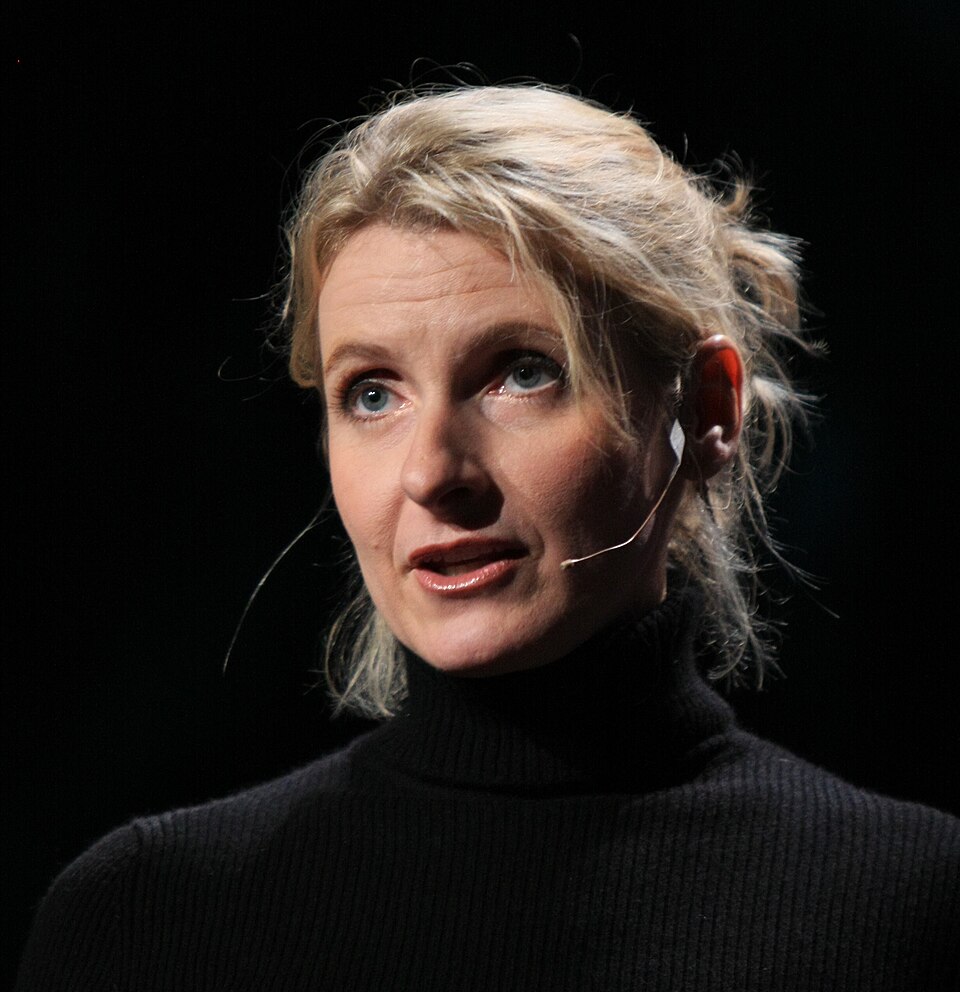
"The greatest harm that I've ever done to other people was through me not knowing how to take care of myself." So begins a confession that feels less like shame and more like hard-won clarity. The teacher draws on decades of personal reckoning and spiritual work to name something most of us avoid: self-abandonment is not a personal problem, it's a relational catastrophe. When you stop tending to your own needs, you don't become a martyr. You become a person in crisis, and crisis people weaponize everyone around them.
How does self-neglect transform into harm?
The mechanism is simple and devastating. When you don't care for yourself—emotionally, spiritually, physically—your unmet needs don't disappear. They metastasize. You become "super needy, super clingy, and super manipulative," as the teacher explains, because those needs have to go somewhere. They pour into the nearest available person, and that person becomes a project of survival rather than a relationship.
This is where self-abandonment reveals its true architecture: you begin objectifying people in your orbit. They become a "parental replacement, a sex toy, a sleeping pill, an unpaid therapist." Each role is conscripted to fill the gap left by your own neglect. It's not malicious. It's desperate. But desperation, however sympathetic, harms.
The teacher has spent years making amends for this precise injury—and every single one traces back to the same root: "I didn't know how to take care of myself." The breakthrough is not guilt, but recognition. If you want to show up cleanly in your relationships, if you want to avoid the slow poison of using people as band-aids for your own abandonment, the work is unglamorous and non-negotiable: you have to learn to meet your own needs.
This inverts the popular guilt about self-care. It's not indulgent. It's the minimum requirement for not harming others. Taking care of yourself is not selfish—it's the prerequisite for not weaponizing your beloved.
Where to go from here
This 44-second teaching is drawn from a conversation on the School of Greatness podcast. The full episode offers deeper exploration of these themes, and curious listeners can find it on Apple Podcasts, Spotify, and other podcast platforms. For those ready to investigate how self-abandonment shapes relational patterns—and how self-care becomes the foundation of not hurting others—the episode provides both the diagnosis and the seed of transformation.


