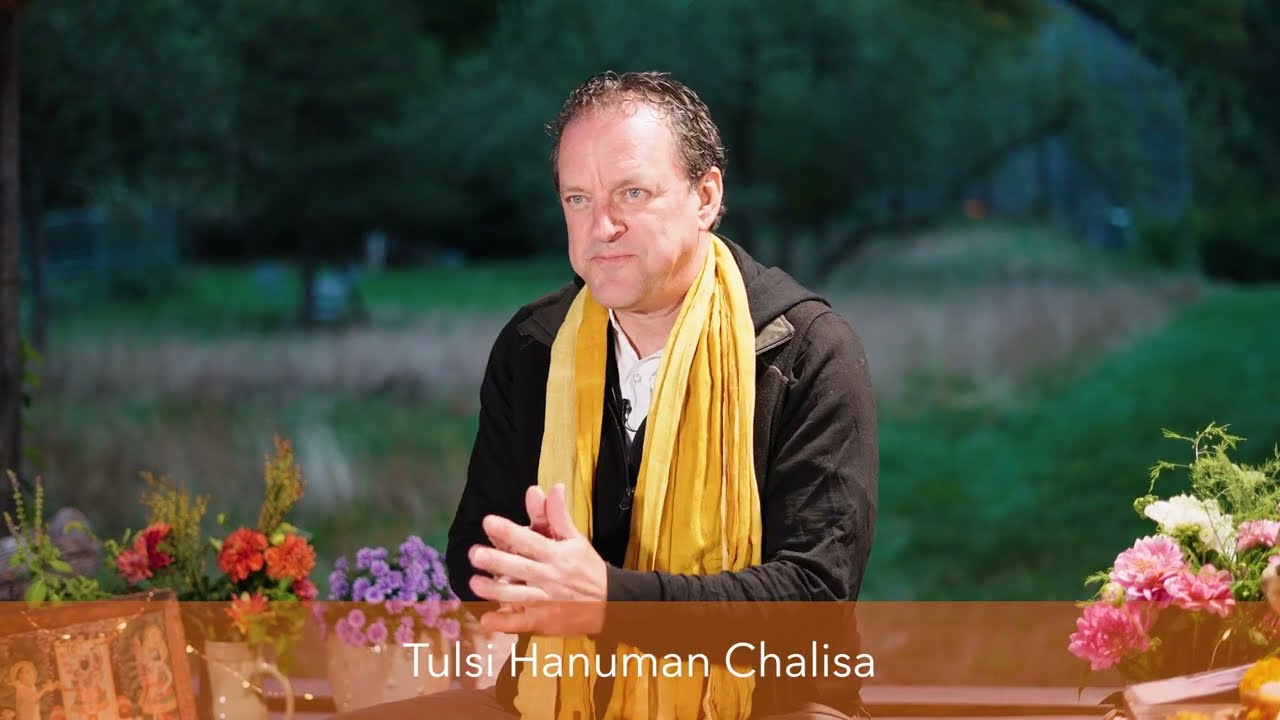
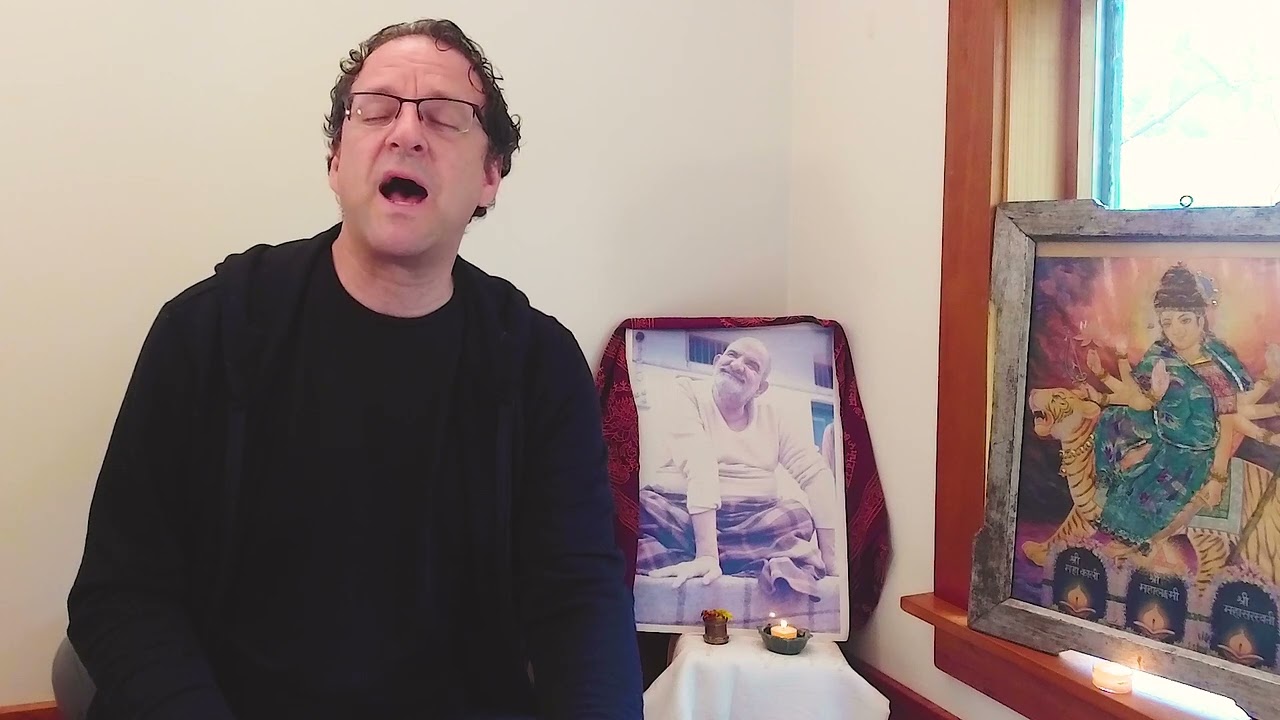
At the heart of Adam Bauer's devotional song "Baba (Neem Karoli Guru Bhai)" lies a teaching so spare and direct it borders on simple: "Love everyone. Serve everyone. Feed everyone. Remember God." These four phrases, drawn from Neem Karoli Baba's core instruction, anchor the kirtan—a repetitive devotional singing practice rooted in bhakti tradition—and demonstrate how a guru's wisdom survives not in books or intellectual commentary but in the living bodies and voices of students who sing it forward.
What Are the Four Pillars?
The teaching embedded in Bauer's lyrics presents itself with the clarity of a bell: love and service come first, material sustenance follows, and beneath all action runs remembrance of the Divine. This is not philosophy; it is a map of practice. Neem Karoli Baba, known for his radical devotion and service, distilled the spiritual path into executable directives. In the song, these imperatives arrive not as commandments but as invitations, sung repeatedly until the distinction between singer and instruction dissolves. By the song's progression, the listener is no longer being told to love everyone—they are enacting it through their own breath and voice.
The genius of this particular framing lies in its order. Love is not the byproduct of remembering God; remembering God is not something that happens after you've mastered love. Instead, all four arise together, held in the simultaneity of practice. You love the person in front of you, you serve them, you feed them (literally or metaphorically), and in that very act, you are remembering the Divine. There is no separation between the sacred and the mundane. Feeding someone's body is feeding God.
How Does Kirtan Carry Teaching?
Kirtan is not concert music; it is participatory prayer. The form relies on repetition—not as boredom but as a technology of transformation. When words enter the body through song, they bypass the analytical mind and settle into the nervous system, the heart, the muscle memory of devotion. A listener to Bauer's "Baba" encounters the mantra dozens of times across the eleven-minute arc of the piece. With each cycle, the meaning deepens. The words soften. Suddenly they are not instructions imposed from outside but recognitions of what is already true.
This is the work of a lyrics video like Bauer's—it creates a visual container for sound, making room for the listener to sit with the mantra without distraction. The handmade quality of the video, as noted in the release materials, suggests an offering made with care rather than commercial polish. The devotee's handwork matters. It signals that this is not entertainment but service—an attempt to carry forward what was given.
What Does "Be Here Now" Mean in This Context?
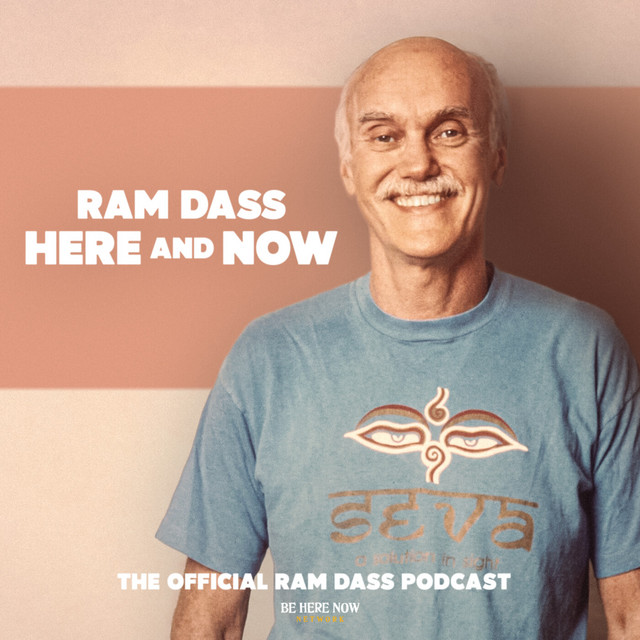
Woven through Bauer's composition is the phrase "Be here now"—a call to presence that carries its own lineage. The phrase echoes Ram Dass, who was himself a student of Neem Karoli Baba, and who brought the guru's teachings to Western audiences through books, retreats, and service. "Be here now" is not mystical abstraction; it is the antidote to suffering born of regret and anxiety. It is the gateway to remembrance of God. In the song, this presence practice frames and contains the four pillars: you cannot truly love or serve or feed or remember if your consciousness is scattered across past failures or future worries. Presence is the ground from which all else grows.
Bauer's musical setting makes this tangible. The repetition itself teaches presence—by singing the same phrase again and again, the mind has nowhere to go but the present moment. Distraction becomes impossible. You are here. You are now.
Why Does This Teaching Matter Now?
The distribution of this song through the album "Return to the Sacred" suggests an artistic intention to reclaim something lost or obscured. In contemporary life, when the individual is isolated from community, when service has become transaction, when feeding another is outsourced to systems, when God-remembrance competes with algorithmic distraction—the four pillars of Neem Karoli's teaching stand as a corrective. They are impossibly simple because simplicity is precisely what has been complicated.
Kirtan artists like Adam Bauer function as carriers of an unbroken chain. They do not interpret the teaching; they sing it. The interpretation happens in the listener, in the space between the note and the ear, in the moment when your own voice joins the melody.
Where to go from here
If this teaching resonates, the practice is already implicit: begin noticing moments where you can love, serve, feed, or remember. Notice how these four fold into one another. If you have access to kirtan practice—a live group singing or recordings like Bauer's—allow the repetition to work on you. The mantra is not trying to convince you of anything. It is simply reminding you of what you already know.