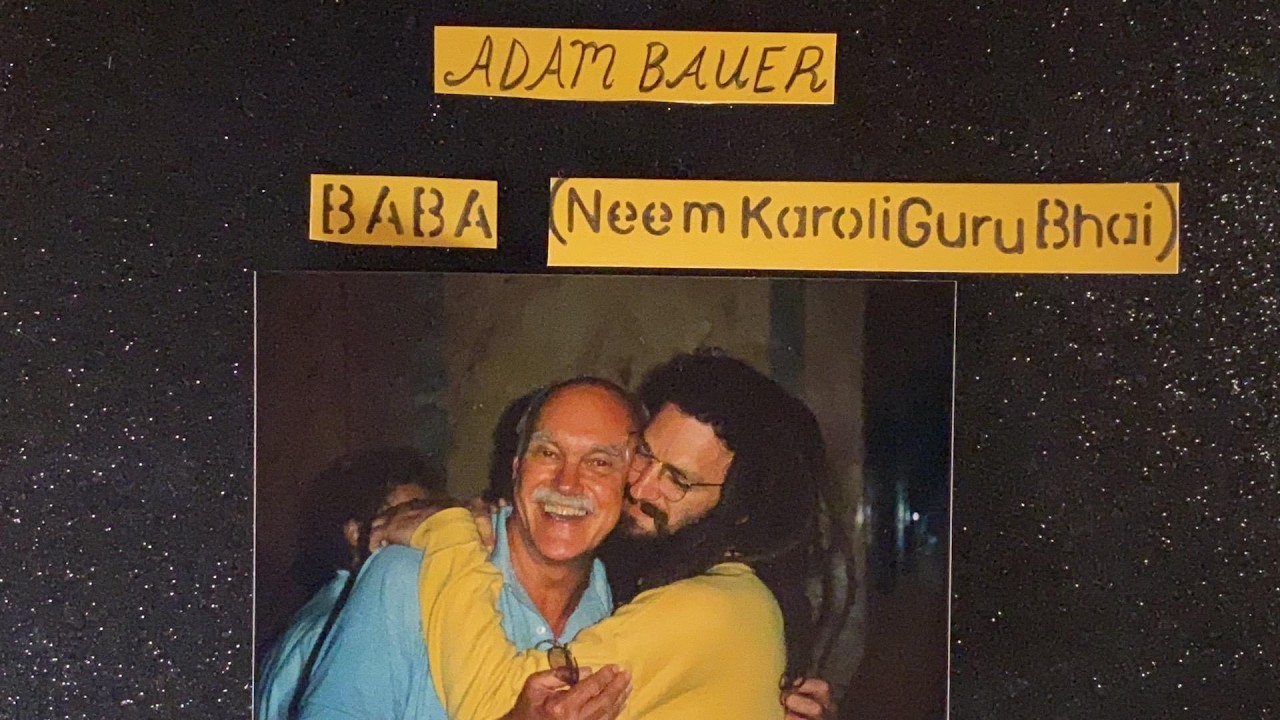
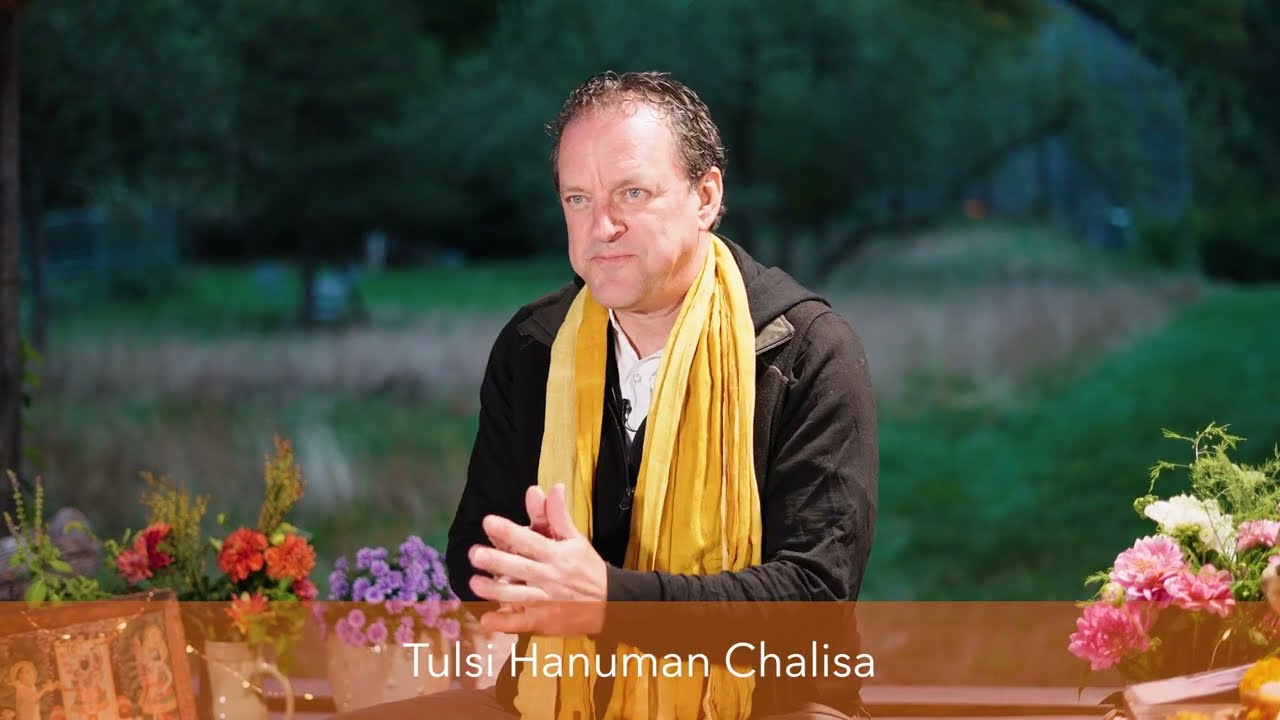
What does it mean when a devotional practice meant to move a room becomes a gift for one? Adam Bauer's "Kirtan Serenade" exists in that liminal space: a brief moment of singing, captured in the private frame of a Zoom call, neither fully performance nor fully meditation, but something that has become increasingly central to how spiritual music circulates in the contemporary moment. At two minutes and twenty-eight seconds, it is short enough to fit between other things, intimate enough to feel like an accident caught on camera, yet deliberate enough in its naming to announce itself as art.
What is kirtan, and why does the serenade form matter?
Kirtan, the Sanskrit-derived practice of call-and-response devotional chanting, has its roots in Hindu and yogic traditions where it functions as a form of congregational prayer. The practice centers on the repetition of sacred syllables and names—often mantra-based—designed to shift consciousness through rhythm, melody, and collective breath. Traditionally, kirtan is a group experience: a lead vocalist (the kirtan wallah) sings a phrase, and the congregation echoes it back, creating a loop of intention and surrender that can build over twenty, thirty, sometimes sixty minutes or more.
The serenade, by contrast, is a Western musical form with entirely different roots: intimate, often performed for an audience of one, historically a lover's gift. A serenade presumes privacy, tenderness, a specific relationship between singer and listener. To call something a "Kirtan Serenade" is to merge two traditions that operate on opposite scales of human gathering.
How does Zoom change the nature of sacred singing?
The shift from concert hall to video screen has reshaped not only how spiritual music is distributed, but how it is understood and received. A Zoom performance exists in a strange grammatical tense: it is live, yet mediated; present, yet at a distance. The camera flattens three dimensions into two. The audio compresses through algorithms. And yet, something intimate emerges from this reduction.
In a large kirtan setting, you are one voice among many. The magic comes from merger—from losing yourself in the sound of dozens or hundreds of others. In a Zoom serenade, the opposite happens. You are alone with the singer's intention directed, in some ineffable way, toward you. The brevity of two and a half minutes amplifies this: it is long enough to establish a mood, short enough to feel like a moment of grace rather than a finished piece. It invites rather than resolves.
Why does the private performance matter in a culture of streaming?
We live in a time of infinite access. Thousands of hours of kirtan are available on YouTube, Spotify, and specialized platforms—performances by established artists, recorded in studios, mixed and mastered for optimal listening. A private Zoom serenade operates against this abundance. It claims scarcity. It says: this is for you, not for everyone. In an age where attention is harvested and metrics rule, the serenade is an act of real generosity—not broadcast, but offered.
There is also something quietly radical in the form. Kirtan, as a practice rooted in spiritual traditions, has always been about transformation through sound. The serenade format suggests that transformation need not require a crowd. That devotion can happen one-to-one. That sacred singing, stripped to its essentials, remains potent even—or perhaps especially—when it reaches a single listener through a screen.
What does the brevity tell us?
At two minutes twenty-eight seconds, the "Kirtan Serenade" is not a complete traditional kirtan. It is a fragment, a taste, an aperitif. This matters. Shorter-form spiritual content has become the default language of digital culture. Meditation apps offer three-minute practices. YouTube gurus compress teachings into fifteen-minute windows. TikTok has made the ninety-second revelation commonplace.
There is something honest about honoring this constraint rather than fighting it. If most people will consume spiritual practice in small pieces, then the serenade—brief, focused, complete in its incompleteness—becomes the appropriate form. It does not promise the transcendent dissolution of a ninety-minute kirtan; it offers a moment of connection, like a hand extended.
The lineage of the serenade in spiritual practice
The serenade has appeared throughout spiritual and mystical traditions as a form of direct address. Sufi poets sang serenades to the beloved (often understood as God). The bhakti poets of medieval South India sang serenades as an expression of devotion—intimate, specific, burning with longing. To revive the serenade form in a kirtan context is to reach back into those traditions while honoring the reality of how we actually encounter music now: in private, often late at night, often alone with a screen.
A Zoom serenade is not a betrayal of kirtan's congregational roots. Rather, it is an evolution. If the original kirtan was designed to create unity in a room, the digital serenade creates unity across distance—between singer and listener, between the sacred and the mundane, between the eternal repetition of a mantra and the singular moment of connection.
Where to go from here
If you find yourself drawn to the idea of a kirtan serenade—that hybrid of intimate singing and devotional practice—consider exploring both lineages separately. Listen to full-length kirtan recordings to understand the arc and intention of the form; they are readily available on streaming platforms and through dedicated kirtan communities. At the same time, pay attention to moments of private musical offering in your own life. A song shared one-to-one carries different medicine than the same song shared with a thousand listeners. The brevity and intimacy of formats like the Zoom serenade are not compromises; they are the authentic spiritual practices of our moment, speaking directly to how we live now and what we are capable of receiving.