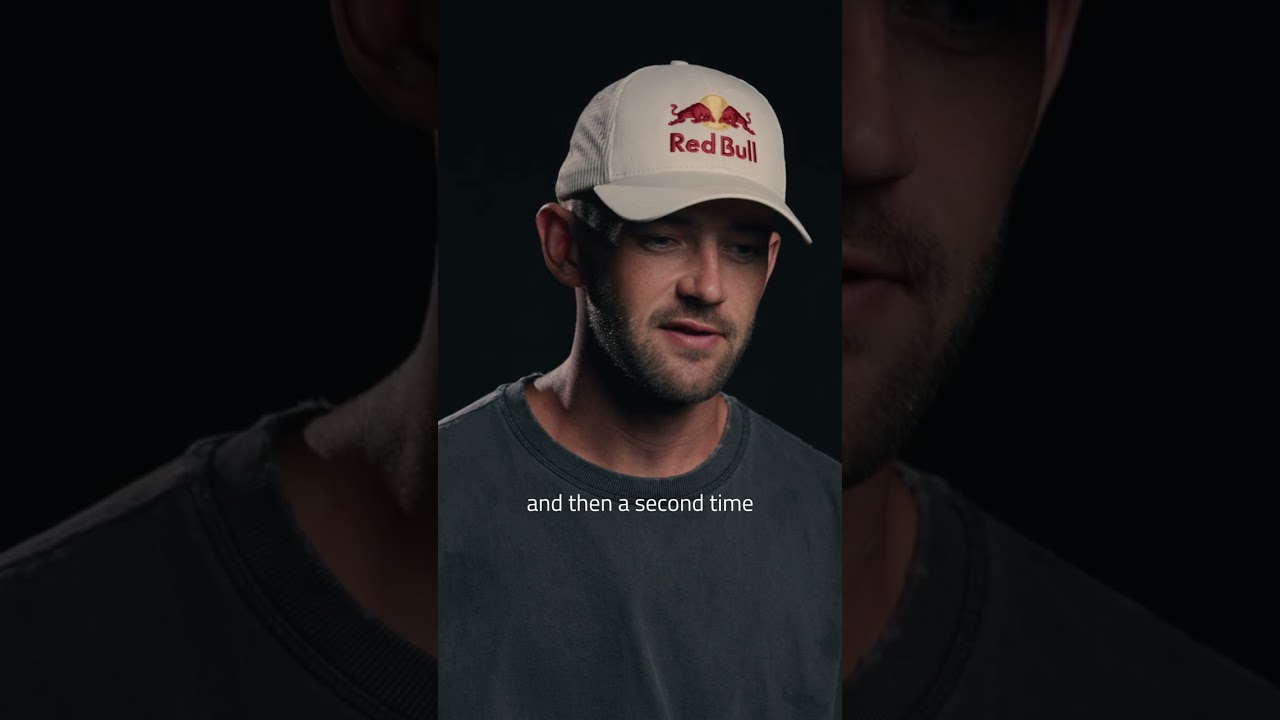
In the latest episode of IRONMAN Insider, host Matt Lieto sits down with Danish pro triathlete Kristian Høgenhaug to discuss the intricacies of elite triathlon racing. As a seasoned athlete known for his aggressive racing style, Høgenhaug sheds light on what it takes to compete at the highest level, particularly when faced with a demanding schedule of multiple major events. This conversation is not just a deep dive into his racing tactics but also an exploration of the psychological and physical resilience required to excel in triathlon. For aspiring triathletes and seasoned competitors alike, Høgenhaug's insights offer invaluable lessons on adaptability, strategy, and the relentless pursuit of excellence.
The Journey of Kristian Høgenhaug
Kristian Høgenhaug's journey in triathlon is marked by a series of remarkable achievements and a steadfast commitment to the sport. Starting as a competitive swimmer, he transitioned into triathlon, where he honed his skills across the disciplines of swimming, cycling, and running. This diverse background has been a cornerstone of his racing style, allowing him to leverage strengths from each discipline to create a formidable competitive edge.
Over the years, Høgenhaug has faced various challenges, including injuries and the rigors of balancing training with competition. His ability to navigate these obstacles speaks volumes about his mental fortitude. He emphasizes the importance of resilience, noting that setbacks can serve as valuable learning experiences that contribute to growth as an athlete.
As he prepares for the IRONMAN World Championships, Høgenhaug reflects on his journey, acknowledging how each race has shaped his approach to training and competition. He sees the journey as an ongoing evolution, where every experience adds layers to his understanding of the sport and his own capabilities.
The Demands of a Grueling Race Schedule
Competing in three major triathlon events in quick succession poses significant challenges, both mentally and physically. Høgenhaug reveals that maintaining peak performance under such conditions requires meticulous planning and execution. He focuses on periodization in his training, alternating between high-intensity sessions and recovery periods to prevent burnout.
Nutrition plays a pivotal role during this demanding schedule. Høgenhaug shares insights on his dietary regimen, emphasizing the need for a balanced intake of macronutrients. He typically consumes a ratio of 60% carbohydrates, 25% fats, and 15% proteins to fuel his body adequately. This balance helps him sustain energy levels and recover effectively between races.
Furthermore, Høgenhaug emphasizes the importance of mental preparation. He engages in visualization techniques and mindfulness practices to enhance focus and reduce anxiety before competitions. These strategies help him stay centered and perform at his best, even amidst the chaos of back-to-back races.
Training Techniques and Adaptability
In the world of triathlon, versatility is crucial, and Høgenhaug embodies this principle in his training. He believes that adapting to various race conditions—such as terrain, weather, and course layout—is essential for success. This adaptability extends to his training methods, where he often incorporates diverse workouts to mimic potential race scenarios.
For instance, Høgenhaug employs interval training to build speed and stamina. He typically executes bike intervals at 90-95% of his Functional Threshold Power (FTP) for short bursts, followed by active recovery periods. This approach not only enhances his cycling performance but also improves his overall race strategy.
Moreover, he advocates for cross-training, integrating activities like trail running and strength training into his regimen. This not only keeps his training fresh and engaging but also reduces the risk of injury by working different muscle groups. By embracing a multifaceted training approach, Høgenhaug prepares himself for the unpredictable nature of triathlon racing.
The Psychological Aspects of Training
The mental game in triathlon racing cannot be underestimated, and Høgenhaug shares how he nurtures his psychological resilience. He often reflects on past races, analyzing both successes and failures to identify areas for improvement. This self-reflection fosters a growth mindset, encouraging him to view challenges as opportunities.
Mindfulness techniques have become a staple in his training routine. Høgenhaug practices meditation and breathing exercises to enhance his focus and reduce pre-race jitters. These techniques help him cultivate a sense of calm, allowing him to channel energy positively during intense competition.
Furthermore, Høgenhaug emphasizes the importance of surrounding himself with a supportive team. He collaborates closely with coaches and fellow athletes, sharing insights and experiences that contribute to his mental toughness. This camaraderie not only bolsters his confidence but also reinforces a sense of community within the sport.
Aspiration for the IRONMAN World Championships
As Høgenhaug sets his sights on the IRONMAN World Championships, he is filled with ambition and determination. He believes that these championships represent the pinnacle of achievement in triathlon, and qualifying is the culmination of years of hard work. His goals for the event are not solely focused on finishing times but also on executing a race strategy that reflects his best capabilities.
To prepare, Høgenhaug meticulously studies the course profile and conditions of the championship venue. He understands the importance of race-day logistics, from transitions to pacing strategies, and ensures that he has a comprehensive plan in place. His approach combines both analytical preparation and an intuitive understanding of his limits.
Moreover, he seeks to inspire others through his journey. Høgenhaug often shares his training experiences and insights on social media, hoping to motivate fellow athletes. His aspiration extends beyond personal achievement; he aims to elevate the sport itself by demonstrating the commitment and passion that define triathlon.
Nutrition Strategies for Endurance Athletes
Nutrition is a critical element of an endurance athlete's success, and Høgenhaug approaches it with precision. He meticulously tracks his macronutrient intake, ensuring that he consumes adequate carbohydrates for energy, particularly during intense training phases. He typically aims for 60-70 grams of carbohydrates per hour during long sessions, often relying on energy gels and electrolyte drinks for quick absorption.
Hydration is equally vital, especially in races where conditions may vary. Høgenhaug stresses the importance of maintaining electrolyte balance to prevent cramping and fatigue. He often incorporates sodium-rich drinks and supplements to ensure optimal hydration levels during extended efforts.
Post-race recovery nutrition is also a focus for Høgenhaug. He emphasizes the need for a recovery meal rich in protein and carbohydrates within 30 minutes after finishing a race or hard workout. This practice aids in muscle repair and replenishes glycogen stores, setting the stage for the next training session.
Gear and Equipment Choices
In the realm of triathlon, the right gear can make a significant difference in performance. Høgenhaug discusses his preferences for equipment, highlighting the importance of a well-fitted triathlon bike. He typically rides a top-tier aero bike, optimized for speed and comfort, with a focus on minimizing drag. His bike setup includes aerodynamic handlebars and a power meter to monitor performance metrics.
Footwear is another critical aspect, and Høgenhaug carefully selects running shoes that provide adequate support and cushioning for long distances. He often tests multiple brands and models during training to find the ideal combination of comfort and performance, ensuring he can maintain pace over the marathon distance.
Høgenhaug's swim gear is also tailored to his strengths. He opts for a wetsuit that enhances buoyancy while allowing for a full range of motion in his strokes. He often practices with different swim paddles and buoyancy aids to improve his technique and efficiency in the water.
Watch the Full Video
Watch the complete video above for the full breakdown. For more endurance content, explore our latest articles, browse upcoming events, or discover athlete profiles on EnduranceFinder.