Spirituality is not primarily about external practices, appearances, or rituals, but rather an inner state characterized by beauty, peace, and a shift in consciousness. True spiritual development manifests as a transformation of one's inner experience—a fundamental reorganization of how one relates to existence—rather than what one does or how one looks to the outside world.
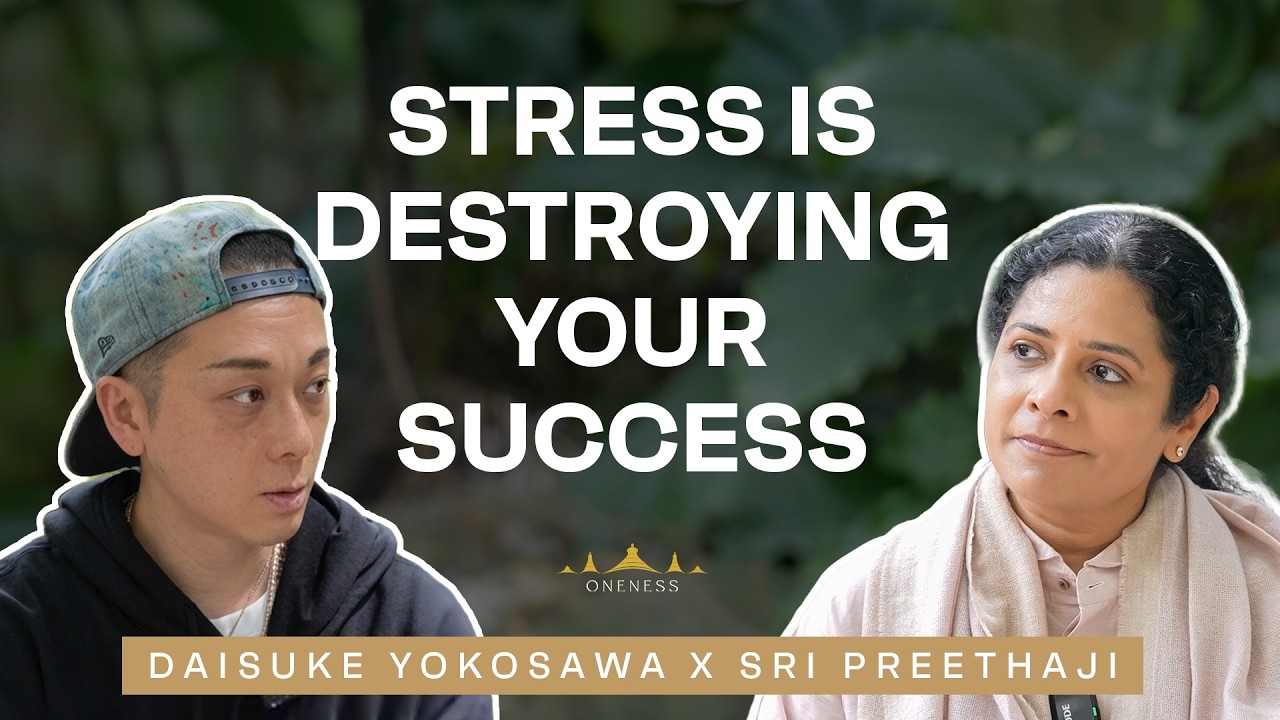
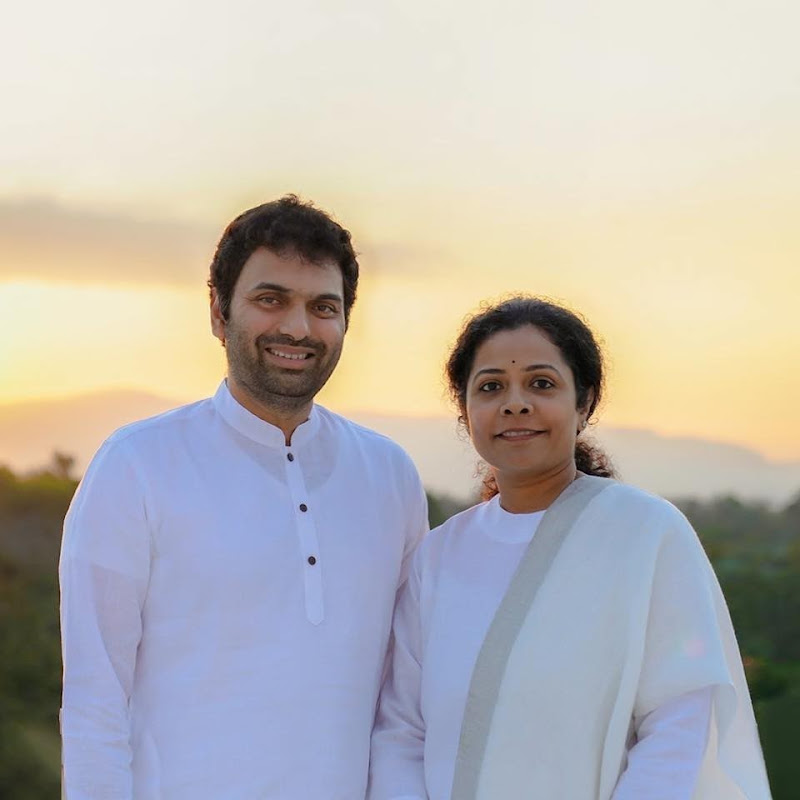
The distinction between spirituality as external practice and spirituality as inner experience represents a foundational misunderstanding many seekers encounter. When spirituality is approached primarily through the lens of external forms—whether that means adopting specific clothing, maintaining certain behaviors, or completing prescribed rituals—there remains a gap between the appearance of spirituality and its actual realization. The Oneness Movement, through the teachings of Sri Preethaji and Sri Krishnaji, points toward a direct understanding: true spirituality is fundamentally an inner phenomenon.
This inner state is not abstract or vague but has distinct characteristics. It manifests as beauty—a quality of consciousness that radiates from within, independent of circumstance or external validation. It exists as peace—not the temporary relief that comes from avoiding conflict, but a fundamental settledness in one's being. This peace persists regardless of what is happening externally because it originates from a reorganization of consciousness itself, not from favorable conditions in the world.
The emphasis on inner state reflects a deeper understanding: what transforms human experience is not change in the external world but change in the quality of awareness itself. A person can possess all the external markers of spirituality—correct posture, proper clothing, flawless behavior—and yet be devoid of the inner beauty and peace that constitute genuine spiritual realization. Conversely, someone whose outer life appears ordinary can embody profound spiritual presence if their inner state has undergone genuine transformation.
Beauty, in the spiritual sense referenced here, is not aesthetic in the conventional meaning. It is not about physical appearance or artistic expression, though a transformed consciousness may naturally express itself through graceful action and presence. Rather, spiritual beauty is a quality of being—a luminosity of consciousness that manifests through how one meets life.
When the inner state shifts into genuine spiritual realization, beauty becomes natural overflow rather than effort. The person is not trying to appear beautiful or spiritual but is naturally radiant because the quality of their inner experience has fundamentally changed. This beauty is recognizable to others not because it fits a particular standard but because it reflects an authentic transformation of consciousness. It has a quality of wholeness, of nothing hidden or held back, of genuine presence.
This understanding reframes spiritual practice. Rather than pursuing an idealized external image of what a spiritual person should look like or do, the actual work becomes cultivating the inner conditions from which authentic beauty naturally emerges. This requires attention to consciousness itself—examining one's moment-to-moment experience, recognizing patterns of reactivity, and allowing a deeper dimension of being to emerge.
Peace, in the context of genuine spirituality, differs fundamentally from the absence of conflict or the presence of favorable conditions. Many people experience temporary peace when circumstances align favorably—when there is no threat, no demand, no loss. But this conditional peace disappears the moment conditions change. True spiritual peace, by contrast, exists independent of circumstance because it originates from a fundamental shift in how consciousness relates to existence.
This shift involves recognizing that the peace one seeks is not something to be created or acquired but something to be uncovered. It already exists as the basic nature of consciousness but is typically obscured by the mind's constant reactivity, its tendency to resist what is unwanted and grasp what is desired. When this reactivity quiets—not through suppression but through genuine understanding—peace becomes evident.
The implications are significant. A person can be in challenging circumstances—facing loss, uncertainty, or difficulty—and simultaneously embody this inner peace because their fundamental identity has shifted from being identified with the mind's reactions to resting in a deeper dimension of consciousness. This is not dissociation or denial; it is a genuine reorganization of awareness that allows one to meet life with presence and clarity even in darkness.
The human tendency to externalize spirituality is understandable. External forms—practices, disciplines, communities, appearances—are concrete and measurable. One can verify whether someone meditates daily, follows ethical precepts, or wears the garments of a spiritual tradition. These externals provide structure and create the sense that progress is measurable. Yet history and direct observation show repeatedly that external adherence does not guarantee inner transformation.
This failure occurs because consciousness cannot be transformed by external imposition alone. A mind forced into meditation may sit still but remain agitated within. A person following ethical rules out of obligation may behave correctly while harboring resentment and judgment. Someone dressed in spiritual garments may be inwardly plagued by ego, ambition, and disconnection. The external form lacks the power to touch the core of consciousness where genuine transformation must occur.
Moreover, reliance on external forms creates vulnerability to spiritual materialism—the accumulation of spiritual credentials, practices, and appearances as a new form of ego aggrandizement. The seeker becomes invested in maintaining the image of being spiritual rather than in the actual dismantling of the barriers to genuine realization. This can be subtle, easily disguised even from oneself, because the language and context are spiritual even as the underlying motivation remains egoic.
If spirituality is fundamentally an inner state, then the direct path involves attending directly to the quality of one's inner experience. This means honest investigation of what is actually happening within consciousness rather than comparison to idealized spiritual ideals. It means noticing the habitual patterns of the mind—how it judges, resists, grasps, and contracts. It means recognizing the fundamental unhappiness that underlies much human activity: the sense that something is wrong, something is missing, something needs to be different.
From this clear seeing, transformation can occur naturally. As one recognizes the futility of the mind's endless pursuit of satisfaction through external change, there is a possibility of relaxation. As one sees the mechanisms of suffering—how resistance to what is creates pain, how grasping for what is not yet present creates anxiety—these mechanisms can begin to lose their grip. This is not through effort or willpower but through understanding.
The cultivation of beauty and peace as inner states happens not through achieving something new but through removing the obstacles to what is already present. The peace that is the nature of consciousness becomes evident when the agitation of constant mental reactivity quiets. The beauty of being becomes apparent when the contraction of ego—the sense of separation, inadequacy, and constant self-management—relaxes into authentic presence.
Genuine spiritual realization has recognizable signatures. In oneself, it manifests as increasing stability of inner peace that is not dependent on circumstances improving. It shows as the natural arising of compassion and kindness not as a practiced virtue but as the spontaneous response of a consciousness that no longer feels fundamentally separate from others. It appears as a quality of presence and aliveness that others can feel, not because anything special is being done but because one is genuinely here, not lost in mental abstractions.
In observing others, one can notice whether the quality of presence and peace seems natural or performed, whether there is coherence between words and actual being, whether the person seems to be serving their own spiritual image or genuinely devoted to truth. The difference, while subtle, is ultimately unmistakable. True spiritual realization has a quality of authenticity, of nothing hidden, of wholeness. It cannot be perfectly faked over time because it originates from genuine transformation rather than practiced persona.
The insight that spirituality is an inner state invites a fundamental reorientation of practice. Rather than asking "What should I do?" or "How should I appear?", the primary question becomes "What is the actual quality of my consciousness right now?" This simple shift in attention from doing to being, from external form to inner quality, opens the possibility of genuine transformation.
For those drawn to spiritual practice, this suggests investigating not only what you are doing—whether you meditate, pray, study, or serve—but why you are doing it and what quality of being is present as you do it. Are you practicing to achieve something, to become someone different, to be seen as spiritual? Or are you practicing from genuine curiosity about the nature of consciousness itself, from genuine longing for authentic peace and presence? The motivation matters because it shapes what is actually developing within you.
The invitation is to trust the possibility that the beauty and peace you seek are not distant achievements but present realities obscured by habitual patterns of thinking and reactivity. This recognition itself—that you do not need to create what you seek but only remove what obscures it—can be profoundly liberating. From this understanding, genuine spiritual development becomes not a striving toward an imagined future but an awakening to what is already true about consciousness itself.