SportsCampFinder

Ver todos os Camps

Find the perfect camp for your athlete

camps

Basketball Camps
Soccer Camps
Baseball Camps
Football Camps
Volleyball Camps
Lacrosse Camps
Multi-Sport Camps
Elite Training
Overnight Camps
Day Camps
Destinos populares
BaliSedonaLos AngelesCosta RicaNew YorkSan FranciscoAustinMiamiJoshua TreeTulum
Ver todas as categoriasVer todos os destinos

Explorar todos os recursos

Ferramentas poderosas para expandir seus eventos

Recursos da plataforma

Precificação dinâmica inteligente
Categorias de ingressos
Lugares marcados
Recuperação de carrinho abandonado
Recuperação de visitantes
Doações e preço variável
Sistema de afiliados
Scanner de ingressos
Códigos de desconto
Perguntas personalizadas
Compartilhamento de ingressos
Upsells e adicionais
Análises e relatórios
Sequências de e-mail
Lista de espera / Notificar / Lembrar
Pessoas e Lugares
Camp OrganizersCamp FacilitiesKnowledge BaseInspiration
Ver todos os recursosSobre nós
PreçosBlog
Language
Saved events
Ver todos os eventos

camps

Basketball CampsSoccer CampsBaseball CampsFootball CampsVolleyball CampsLacrosse CampsMulti-Sport CampsElite Training

Destinos populares

BaliSedonaLos AngelesCosta RicaNew YorkSan Francisco

Pessoas e Lugares

Camp OrganizersCamp FacilitiesKnowledge BaseInspiration

Recursos da plataforma

Precificação dinâmica inteligenteCategorias de ingressosLugares marcadosRecuperação de carrinho abandonadoRecuperação de visitantesDoações e preço variávelSistema de afiliadosScanner de ingressosCódigos de descontoPerguntas personalizadasCompartilhamento de ingressosUpsells e adicionaisAnálises e relatóriosSequências de e-mailLista de espera / Notificar / Lembrar
Ver todos os recursosSobre nós
PreçosBlog
EntrarParents & athletesCamp directors
  • Browse all camps
  • Basketball Camps
  • Soccer Camps
  • Baseball Camps
  • Football Camps
  • Volleyball Camps
  • Lacrosse Camps
  • Multi-Sport Camps
  • Elite Training
  • All sports →
  • Orlando
  • Los Angeles
  • New York Metro
  • Dallas / Fort Worth
  • Chicago
  • Phoenix / Scottsdale
  • Atlanta
  • Denver
  • Seattle
  • Boston
  • Houston
  • Philadelphia
  • San Diego
  • Minneapolis / St. Paul
  • Todas as cidades →
  • List your camp
  • Camp director dashboard
  • Pricing
  • Coaches & academies
  • Online registration & payments
  • Waivers & medical forms
  • Check-in app
  • Family messaging
  • Waitlist & notify
  • Camp marketing
  • Reports
  • All features →
  • About SportsCampFinder
  • Camp guides
  • Help Center
  • Contact
  • Careers
  • Press
  • Termos de Serviço
  • Política de Privacidade

Camps

  • Browse all camps
  • Basketball Camps
  • Soccer Camps
  • Baseball Camps
  • Football Camps
  • Volleyball Camps
  • Lacrosse Camps
  • Multi-Sport Camps
  • Elite Training
  • All sports →

Destinos

  • Orlando
  • Los Angeles
  • New York Metro
  • Dallas / Fort Worth
  • Chicago
  • Phoenix / Scottsdale
  • Atlanta
  • Denver
  • Seattle
  • Boston
  • Houston
  • Philadelphia
  • San Diego
  • Minneapolis / St. Paul
  • Todas as cidades →

Para Camp directors

  • List your camp
  • Camp director dashboard
  • Pricing
  • Coaches & academies

Recursos

  • Online registration & payments
  • Waivers & medical forms
  • Check-in app
  • Family messaging
  • Waitlist & notify
  • Camp marketing
  • Reports
  • All features →

Empresa

  • About SportsCampFinder
  • Camp guides
  • Help Center
  • Contact
  • Careers
  • Press
  • Termos de Serviço
  • Política de Privacidade
SportsCampFinder
© 2026 SportsCampFinder. Todos os direitos reservados.
Inspiration

Pilu and Patdeep: RaagStructures in Hindustani Music

Professor Paramjeet Singh
Apr 8, 2022
6 min de leitura

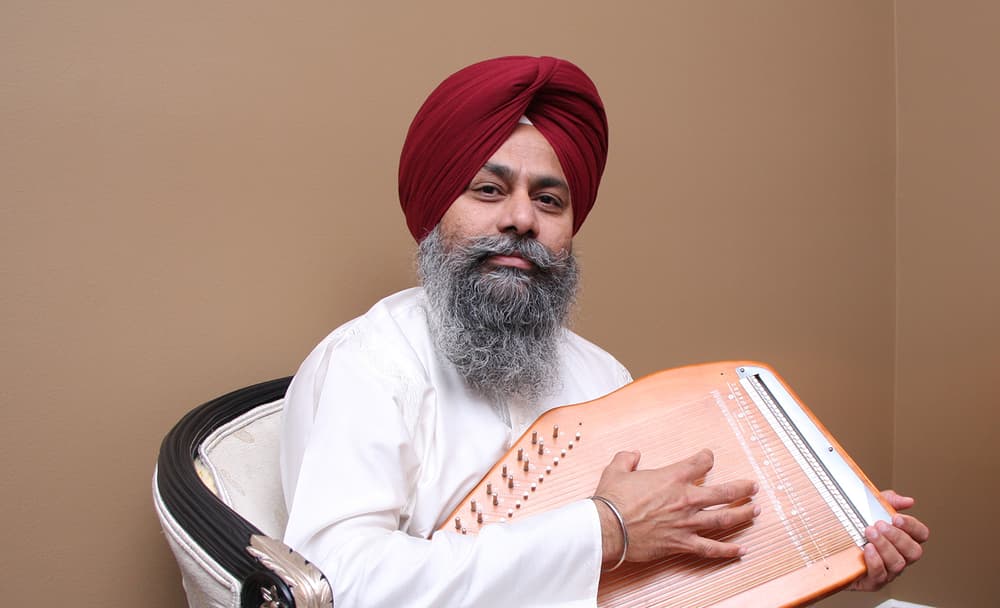
Professor Paramjeet Singh presents an instructional exploration of two important Hindustani classical raags: Pilu and Patdeep. The session examines the melodic frameworks, scalar structures, and defining characteristics of each raag, offering insight into how these fundamental organizing principles shape expression and performance in Indian classical music. This is a technical deep-dive into raag theory and practice for students and musicians seeking to understand the architecture of Hindustani classical forms.

Leitura · 7 seções

What Are Pilu and Patdeep in Hindustani Classical Music?

Pilu and Patdeep are two raags within the Hindustani classical music tradition, each with distinct scalar patterns and emotional resonances. A raag is not merely a scale or mode—it is a complete melodic framework that governs which notes may be used, in what order, with what emphasis, and how they should be approached and departed. Understanding individual raags is essential for both vocalists and instrumentalists working in the classical tradition.

Pilu is known for its accessibility and warm, often devotional or folk-influenced character, making it popular in both classical concert settings and devotional contexts. Patdeep, by contrast, represents a different melodic family with its own distinct intervallic relationships and expressive qualities. Studying these two raags side by side helps musicians understand how variations in scalar content and melodic phrasing create different aesthetic and emotional worlds within the broader Hindustani system.

How Do Raag Scales Structure Melodic Expression?

The foundation of any raag lies in its scale—the specific notes (swaras) it employs and the order in which they typically appear in melodic phrases. In Hindustani music, this is more complex than Western modal systems because the same note may be approached differently depending on the raag's rules. A note might be played with a bend (meend), a slide, a quick ornament, or approached from above or below, and these microtonal and phrasing details are as essential to the raag's identity as the notes themselves.

Pilu and Patdeep each operate within specific scalar constraints that define their character. These constraints are not arbitrary limitations but rather distillations of centuries of musical evolution—choices that have proven aesthetically coherent and emotionally resonant. Learning to recognize and respect these boundaries is central to performing a raag authentically, and attempting to introduce notes or phrasing outside the raag's framework fundamentally alters its identity.

What Defines the Performance Context of Each Raag?

In the Hindustani tradition, raags are traditionally associated with specific times of day, seasons, or moods. This temporal and emotional mapping reflects the belief that certain melodic structures naturally align with particular states of consciousness or natural cycles. Pilu, for instance, carries particular associations and is rendered in specific ways depending on whether it is presented in a morning raga concert, a devotional context, or an evening performance.

Patdeep similarly carries its own performance conventions and historical contexts. Understanding when and how a raag is traditionally performed, and what emotional or spiritual territory it is meant to explore, helps the musician make informed choices about tempo, ornamentation, and the development of the melodic material. This contextual knowledge prevents the raag from becoming merely a technical exercise and instead anchors it in the deeper philosophical and aesthetic purposes of the Indian classical tradition.

How Do Ornaments and Phrasing Define Raag Character?

Beyond the notes themselves, the techniques used to connect and embellish them form a crucial part of raag identity. In Hindustani music, terms like meend (a gliding movement between notes), kan (an approach note or grace note), and gamak (a rapid oscillation) are not decorative additions—they are structural elements that define how a raag sounds and feels.

When studying Pilu and Patdeep, attention must be paid to which ornaments are characteristic of each, which are prohibited or unusual, and how these techniques shape the overall melodic contour and emotional expression. A note in Pilu might require a particular type of approach, while the same note in Patdeep might demand a different treatment. This granular attention to technique is what distinguishes a musician who has studied a raag from one who is merely playing notes in sequence.

What Role Does Practice and Internalization Play?

Learning Hindustani classical raags requires more than intellectual understanding—it demands sustained, careful practice that internalizes the raag's rules until they become intuitive. Students typically learn through direct transmission from a teacher, listening repeatedly to recorded performances, and engaging in structured vocal or instrumental practice that explores the raag's scalar space systematically.

Professor Paramjeet Singh's approach to teaching Pilu and Patdeep likely emphasizes this deeper internalization process. Rather than presenting them as abstract theoretical constructs, the instruction is designed to help musicians hear, feel, and eventually embody the raag's character. This embodied knowledge allows performers to move beyond mechanical reproduction of notes and instead access the raag's expressive and spiritual dimensions.

How Are Pilu and Patdeep Distinct from One Another?

While both are important raags in the Hindustani repertoire, Pilu and Patdeep represent different melodic families and carry different associations. Examining their differences—in scalar content, characteristic phrases, performance mood, and historical usage—illuminates the diversity of expression available within Hindustani classical music as a whole.

Understanding these distinctions helps musicians appreciate that the Hindustani system is not monolithic but rather a rich ecology of raags, each with its own aesthetic logic and spiritual intention. The study of multiple raags trains the ear and expands the musician's capacity to perceive and navigate different emotional and melodic territories.

Where to Go From Here

For musicians seeking to deepen their understanding of Hindustani classical music, engagement with specific raags like Pilu and Patdeep is essential. Consider supplementing this instructional content with: (1) recorded performances by master musicians in these raags to develop an intuitive ear for their sound; (2) continued study with a qualified Hindustani music teacher who can provide personalized feedback and technical guidance; (3) exploring the historical and philosophical contexts of these raags within the broader Indian classical tradition; and (4) consistent practice that applies the principles discussed to your own vocal or instrumental work. The path to mastery in Hindustani music is gradual and meditative—depth comes from sustained engagement with a small number of raags rather than superficial familiarity with many.

Comments

Loading the conversation…

Professor Paramjeet Singh
ArtistProfessor Paramjeet Singh

Professor Paramjeet Singh is an Indian classical vocalist and Sikh kirtan artist who has mastered over 125 ragas and devoted his career to preserving the devotional music of saints…

Ver perfilSite
Explorar temas
Hindustani-classical-musicRaagPilu-raagPatdeepMusic-theory

Tem perguntas?

Perguntas frequentes

Pilu and Patdeep are two distinct Hindustani raags with different scalar structures, melodic characteristics, and performance contexts. Pilu is known for its warm, accessible character often used in devotional music, while Patdeep represents a different melodic family with its own intervallic patterns and expressive qualities. Each raag follows specific rules governing which notes can be used, in what order, and how they should be ornamented.
Learning a raag like Pilu requires direct transmission from a qualified teacher, repeated listening to recorded performances by master musicians, and systematic practice that explores the raag's scalar space. You must internalize not just the notes but also the ornaments, phrasing conventions, and emotional character unique to that raag. This embodied knowledge develops through sustained, meditative practice over time.
Raag structure provides the melodic framework that governs expression in Hindustani classical music. Rather than being arbitrary constraints, these scalar and phrasing rules have evolved over centuries to create coherent aesthetic and emotional worlds. Understanding raag structure helps musicians respect the tradition's depth and access the spiritual and expressive dimensions that make Indian classical music meaningful.
Meend, kan, and gamak are ornamental techniques that are structural rather than merely decorative in Hindustani music. Meend is a gliding movement between notes, kan is a grace note or approach note, and gamak is a rapid oscillation on a note. These techniques are defining characteristics of each raag and vary depending on which raag is being performed.
Beginners typically start with raags that have simpler scalar structures and more accessible emotional character, such as Pilu, which is known for its warm and devotional quality. Your teacher will recommend a starting point based on your voice or instrument and your musical inclinations. The key is to develop deep familiarity with a small number of raags rather than trying to learn many superficially.
In the Hindustani classical tradition, raags are traditionally associated with specific times of day, seasons, or moods. This temporal and emotional mapping reflects the belief that certain melodic structures naturally align with particular states of consciousness. While Pilu carries associations within the tradition, the specific timing conventions and emotional territories of each raag are best learned through direct study with a qualified teacher.
Written notation in Western staff or even traditional Indian systems cannot fully capture the microtonal inflections, bends, and phrasing nuances that define a raag. Learning Hindustani classical music requires listening-based transmission from a teacher and from recorded master performances. Written notation can supplement this learning but cannot replace the ear-training and embodied practice that are essential to raag mastery.

Continuar lendo

More from Professor

Ver Tudo
Raag-Based Gurbani Kirtan: The Beauty of Mere Laalan Ki Sobha
Inspire

Raag-Based Gurbani Kirtan: The Beauty of Mere Laalan Ki Sobha

Learn how raag-based Gurbani kirtan preserves authentic Sikh devotional music through the shabad "Mere Laalan Ki Sobha," performed in classi…

1 min read
Raag-Based Gurbani Kirtan: Tukhari, Bhairavi, and Classical Tradition
Inspire

Raag-Based Gurbani Kirtan: Tukhari, Bhairavi, and Classical Tradition

Experience the spiritual depth of Patiala Gharana kirtan through rare raags and Gurbani compositions. A live performance honoring classical …

1 min read
Minimal Vocalization as Spiritual Practice: Power in Simplicity
Inspire

Minimal Vocalization as Spiritual Practice: Power in Simplicity

A brief live vocal interlude demonstrates how devotional sound—stripped to its essence—can invoke presence and transformation through pure r…

1 min read
Govinda Jaya: How Sacred Sound Awakens the Heart
Inspire

Govinda Jaya: How Sacred Sound Awakens the Heart

Radhika Das channels the liberating power of mantra through a luminous kirtan performance at Medicine Festival, invoking divine names to pur…

1 min read

Continue explorando

Continue sua jornada

Mais sabedoria e mais encontros de todo o diretório BrightStar.

Mais artigos

Explore a biblioteca completa de ensinamentos, entrevistas e guias.

Voltar a todos os artigos →

Professores e artistas

Conheça as linhagens, os músicos e os guias do mundo consciente.

Explorar artistas →

Encontre um evento

Kirtan, retiros, banhos de som, breathwork, festivais — acontecendo em breve.

Ver eventos →