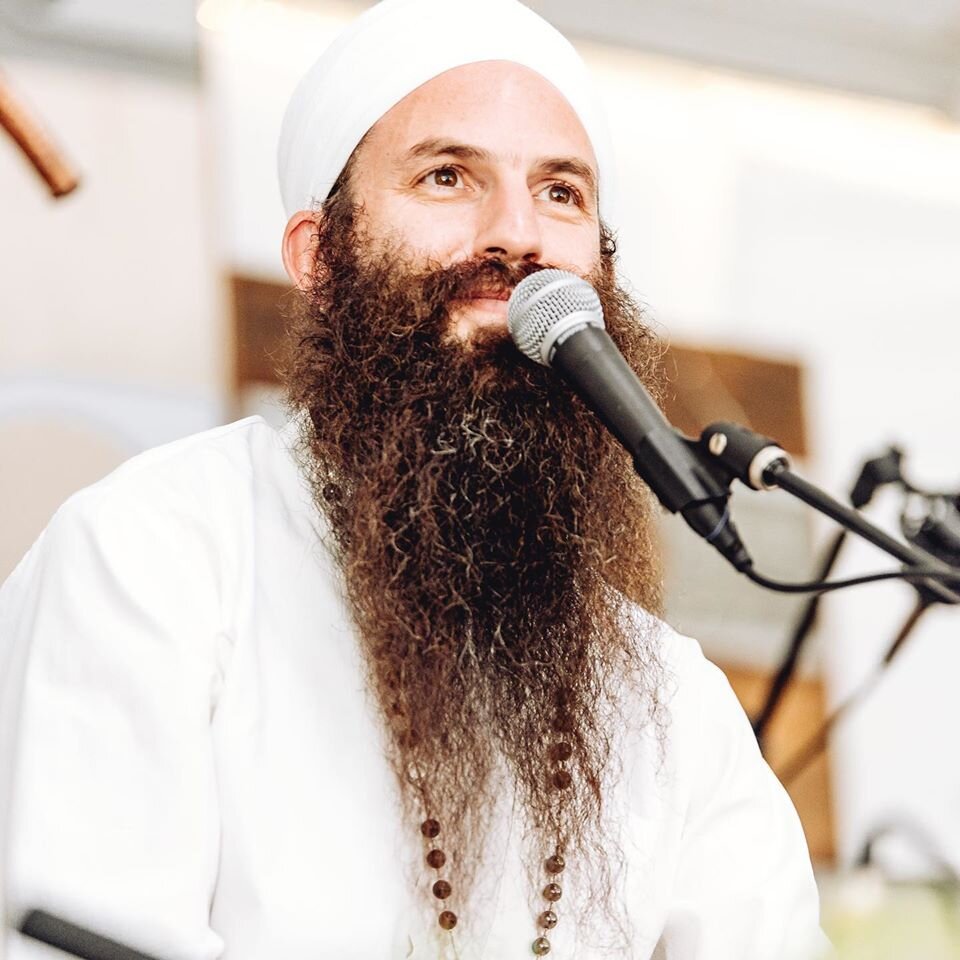
The Happiness Program is a structured course combining breath work and meditation practices from the yoga tradition—specifically a technique called SKY breathing—designed to shift physiology, reduce anxiety, improve sleep quality, and foster genuine connection and empathy. Research shows significant physiological changes occur within 48 hours, with benefits sustained for a year or longer. Rather than chasing external conditions to achieve happiness, the program operates on the premise that contentment and capability already reside within and can be accessed through specific breathing interventions and inner connection.
What Is the Happiness Program?
The Happiness Program is structured as a course addressing three core pillars: success, peace, and strength. Unlike happiness programs that rely on external achievement or material gain, it reframes the problem fundamentally. As described in the video, "So much of society tells us we are not enough. You are not enough. You need this and you need that and you need this." The program directly contradicts that narrative, proposing instead: "Guess what? You have it already."
This reversal is significant. Rather than asking participants to become different people or acquire new qualities, the program suggests that the foundational capacity for happiness, peace, and connection is already present. The work, then, is not one of accumulation but of access and elimination—removing the mental and physiological barriers that obscure what already exists.
How Does Breath Work Create Focus and Calm?
The centerpiece of the Happiness Program is SKY breathing, a breathing-based intervention rooted in the yoga tradition. According to the video, this practice creates an unusual state: "It just makes you like focused and yet relaxed and calm, yet energized." This paradoxical combination—simultaneously energized and calm, focused and relaxed—is not achieved through willpower or positive thinking, but through a specific respiratory technique.
The mechanism appears to operate on the nervous system directly. By using breath to regulate physiology, practitioners report immediate shifts in mental clarity and emotional tone. One participant noted: "It's like using the breath and the meditation practices to eliminate stress." This approach treats stress not as a thought problem to be reasoned away, but as a physiological state to be regulated through somatic practice.
What Does the Research Show About SKY Breathing?
The video includes testimony from medical professionals validating the practice. A doctor notes: "What I find exciting about this program as a doctor is that the research shows that there's a dramatic shift in the physiology within the first 48 hours of doing these practices. Quality of sleep is restored. Immune system is boosted and anxiety levels are lowered."
This 48-hour window is notable—it suggests that physiological benefits are not gradual or theoretical but observable almost immediately. A research-based observation cited in the video describes SKY breathing specifically: "After a week of this breathing called SKY breathing, we found that their anxiety is normalized and the benefits were maintained 1 month and 1 year later, suggesting long-term improvement."
The longitudinal sustainability is critical here. These are not temporary stress reductions that fade as soon as the practice stops. The benefits appear to embed themselves into baseline physiology, suggesting that the practice creates lasting neurological or physiological resets rather than temporary relief.
How Does Inner Connection Lead to Community Connection?
A secondary yet powerful claim in the program is relational. The video describes a specific cascade: "They first get connected inside within themselves. And then that connection has no other choice but to expand and to grow." This suggests that inner work—breathing, meditation, accessing one's own wholeness—naturally radiates outward.
Participants report concrete social shifts. One person shared: "Gave me the tools to have more empathy and connect with people on a deeper level and really discover what people are about before I make judgments about them." This is not forced empathy or positive affirmations about liking others. It is a natural opening that emerges when one's own system is less dysregulated.
The program acknowledges a cultural problem: "A lot of our society today, we go around in our own little bubble." The hypothesis appears to be that stress and anxiety keep us contracted, self-protective, isolated. As those physiological states normalize through breathing practice, people "naturally feel less shy and more connected and more enthusiastic and wanting to be part of their own community."
What Changes Do Participants Report?
Testimonials in the video describe specific, grounded shifts rather than abstract spiritual awakenings. One person reported: "I automatically felt there was a positive change in me. It was just this rejuvenating feeling that I had not known before." Another described becoming "more relaxed, more open, more positive" and notably added: "Even when things weren't going right and even when I don't look like or act like things are going right, I'm happy inside."
This last observation is important: happiness is being decoupled from external circumstance. The participant is not claiming life became perfect, but that an internal state of okayness was accessed independent of whether circumstances looked "right" or felt smooth.
On the practical health front, one participant simply stated: "I was just so much healthier right away," suggesting that sleep quality, immune function, and energy normalize quickly for many people.
Why Is This Called Zero Effort?
The video uses an unusual phrase: "It's like zero effort. You don't have to think about it. You just happy. That's what happens when you do this technique." This suggests the practice is not cognitively demanding or dependent on belief. You perform the breathing technique; the nervous system responds. Happiness is not something you manufacture through willpower but something that occurs when stress is removed and inner resources are accessed.
This reframes practice as not-effort. Rather than striving to be happy, you simply do the breathing work, and the physiology shifts toward its baseline state of greater ease and coherence. The simplicity is disarming—it requires no complex philosophy, no belief system, no years of study.
Where to Go From Here
The Happiness Program is structured as a course offering, available through the Art of Living Retreat Center. For those interested in exploring breath-based stress reduction and accessing measurable shifts in physiology, sleep, immunity, and social connection, the program represents a concrete practice with research backing and documented participant outcomes. The invitation in the video is direct: "Do this course. Do not wait. Tomorrow is never here. Today is the best day to make that decision." Those curious about whether breathing techniques and meditation can reshape their baseline state of peace, focus, and capacity for connection can test the claim directly through the program itself.


