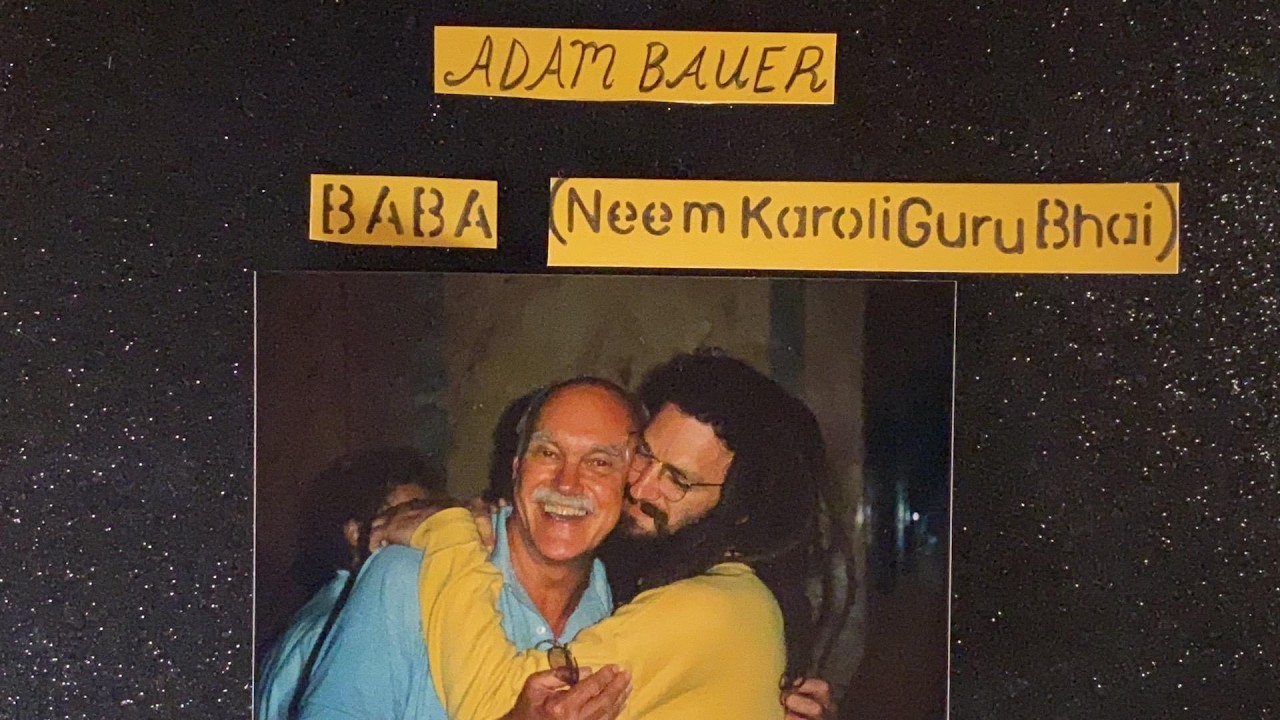
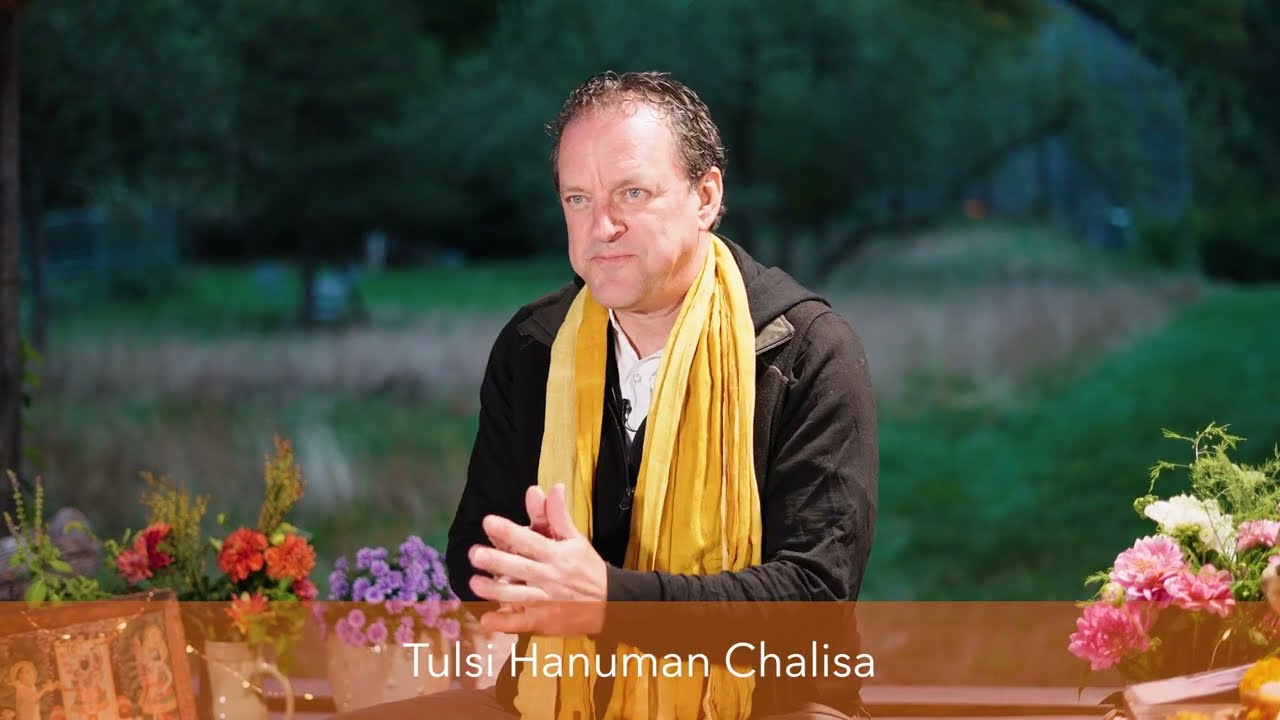
Sunset breaks across the Ganges at Parmarth Niketan Ashram in Rishikesh, India, and the river bends into gold. On the banks where pilgrims have gathered for millennia to honor the sacred waters, Adam Bauer stands with Shivani Ugrin and friends to lead the evening aarti—a ritual unbroken for centuries, renewed each dusk with fire, flowers, and the human voice raised in praise.
Aarti is not performance. It is ceremony—a form of worship in Hindu and Indian spiritual traditions that uses light, sound, and gesture to honor the divine. The word itself derives from Sanskrit, describing the wave of a lamp or flame before a deity or sacred space. In ashrams throughout India, aarti marks the threshold between day and night, a moment when the material world dims and the spiritual dimension is invited closer.
At Parmarth Niketan, the evening aarti follows rhythms established over generations. The sequence is precise: the lighting of oil lamps, the ringing of bells, the chanting of mantras, the singing of devotional songs. Participants—whether lifelong practitioners or first-time visitors—join in, their voices merging into something larger than any individual intention. This is not meditation in silence, but prayer in action, embodied and communal.
The location itself carries weight. Rishikesh, nestled in the Himalayas' foothills where the Ganges descends from the mountains into the northern plains, has long been regarded as one of India's most sacred sites. The river itself—called Ganga in Sanskrit—is not merely water but a goddess, believed by millions to hold purifying power both physical and spiritual. To stand on her banks at sunset, to sing, to offer prayer: this is why pilgrims have journeyed to Rishikesh for thousands of years.
Parmarth Niketan Ashram stands directly on the Ganges's eastern shore, a vantage point that places participants quite literally in the river's presence during ceremony. The ashram itself functions as a bridge between traditional Hindu practice and the contemporary global spiritual community—a place where ancient forms continue alongside modern seekers learning to join them.
Kirtan—the call-and-response singing of sacred names and mantras—is the vocal heart of Indian devotional life. Unlike meditation, which quiets the mind, kirtan activates it through rhythm and melody. The practice originated in bhakti movements of medieval India, spiritual lineages built on the principle that direct devotion to the divine could bypass formal hierarchy and reach the sacred through the heart. A shepherd could chant as powerfully as a Brahmin; a farmer's daughter could experience union with the divine through song.
This democratization of access—the promise that the sacred voice belongs equally to all who speak it—remains the driving force of kirtan today. When Adam Bauer and friends gathered on the banks of the Ganges to sing "Bolo! (Shri Sita Ram Mahamantra)," they were stepping into that lineage, adding their breath and attention to a practice uninterrupted since ancient times.
"Bolo! Shri Sita Ram" translates as an invocation to speak the names of Sita and Ram, two central figures in Hindu sacred narrative and devotional practice. Ram (also spelled Rama) is understood in many traditions as an avatar of Vishnu, the divine preserver. Sita, his consort, embodies devotion, loyalty, and shakti—the dynamic feminine power underlying creation. "Mahamantra" means "great mantra"—a formula of sound believed to carry transformative power when repeated with intention.
The word "Bolo" itself is a command or invitation: speak, sing, invoke. It is not a passive listening but an active participation in naming the sacred. Each repetition, each breath shaped into sound, is understood to attune the singer's consciousness to qualities those names represent.
What the video documents is intimate and communal at once. Adam Bauer, along with Shivani Ugrin and others, gathered at Parmarth Niketan to participate in the ashram's evening aarti program—a daily event open to all who come to the river at sunset. The performance captured is not staged for the camera but woven into the fabric of the ashram's regular rhythm. People travel from across the world to stand in these ceremonies, drawn by the convergence of geography, tradition, and the simple human need to sing together.
The 2-minute recording is a fragment of a timeless form. Behind it lie centuries of practice, the Ganges flowing through all of them, the same Sanskrit syllables shaped by countless voices across generations.
In an era when much spiritual practice has turned inward—toward apps, recordings, solitary meditation—aarti insists on presence, on gathering, on the voice as a vehicle. It requires no belief system beyond a willingness to show up and sing. A participant need not be Hindu, need not understand Sanskrit, need not subscribe to any theology. What they must do is listen, join, and allow the sound to move through them.
This is perhaps why ashrams like Parmarth Niketan have become pilgrimage sites for seekers worldwide. They offer not an idea about the sacred, but an experience of it—mediated through fire, water, breath, and the oldest form of prayer: the human voice raised in unison with others, at the edge of a holy river, as the light fades.
For anyone drawn to this practice, the immediate path is simple: travel to Rishikesh, arrive at Parmarth Niketan at sunset, and step into the circle. The ashram's evening aarti is open to all. You need bring nothing but willingness to listen and, if moved to do so, to sing. If travel is not currently possible, recordings of kirtan and aarti are widely available online, though they cannot replicate the power of standing on the Ganges's banks in person. Exploring the lineage of bhakti practice, reading accounts of the figures honored in the mantras (Ram and Sita, for instance), and learning the basic structure of aarti deepen understanding of what you are participating in. The practice itself—whether in person or through recordings—remains the truest teacher.