SportsCampFinder

Ver todos os Camps

Find the perfect camp for your athlete

camps

Basketball Camps
Soccer Camps
Baseball Camps
Football Camps
Volleyball Camps
Lacrosse Camps
Multi-Sport Camps
Elite Training
Overnight Camps
Day Camps
Destinos populares
BaliSedonaLos AngelesCosta RicaNew YorkSan FranciscoAustinMiamiJoshua TreeTulum
Ver todas as categoriasVer todos os destinos

Explorar todos os recursos

Ferramentas poderosas para expandir seus eventos

Recursos da plataforma

Precificação dinâmica inteligente
Categorias de ingressos
Lugares marcados
Recuperação de carrinho abandonado
Recuperação de visitantes
Doações e preço variável
Sistema de afiliados
Scanner de ingressos
Códigos de desconto
Perguntas personalizadas
Compartilhamento de ingressos
Upsells e adicionais
Análises e relatórios
Sequências de e-mail
Lista de espera / Notificar / Lembrar
Pessoas e Lugares
Camp OrganizersCamp FacilitiesKnowledge BaseInspiration
Ver todos os recursosSobre nós
PreçosBlog
Language
Saved events
Ver todos os eventos

camps

Basketball CampsSoccer CampsBaseball CampsFootball CampsVolleyball CampsLacrosse CampsMulti-Sport CampsElite Training

Destinos populares

BaliSedonaLos AngelesCosta RicaNew YorkSan Francisco

Pessoas e Lugares

Camp OrganizersCamp FacilitiesKnowledge BaseInspiration

Recursos da plataforma

Precificação dinâmica inteligenteCategorias de ingressosLugares marcadosRecuperação de carrinho abandonadoRecuperação de visitantesDoações e preço variávelSistema de afiliadosScanner de ingressosCódigos de descontoPerguntas personalizadasCompartilhamento de ingressosUpsells e adicionaisAnálises e relatóriosSequências de e-mailLista de espera / Notificar / Lembrar
Ver todos os recursosSobre nós
PreçosBlog
EntrarParents & athletesCamp directors
  • Browse all camps
  • Basketball Camps
  • Soccer Camps
  • Baseball Camps
  • Football Camps
  • Volleyball Camps
  • Lacrosse Camps
  • Multi-Sport Camps
  • Elite Training
  • All sports →
  • Orlando
  • Los Angeles
  • New York Metro
  • Dallas / Fort Worth
  • Chicago
  • Phoenix / Scottsdale
  • Atlanta
  • Denver
  • Seattle
  • Boston
  • Houston
  • Philadelphia
  • San Diego
  • Minneapolis / St. Paul
  • Todas as cidades →
  • List your camp
  • Camp director dashboard
  • Pricing
  • Coaches & academies
  • Online registration & payments
  • Waivers & medical forms
  • Check-in app
  • Family messaging
  • Waitlist & notify
  • Camp marketing
  • Reports
  • All features →
  • About SportsCampFinder
  • Camp guides
  • Help Center
  • Contact
  • Careers
  • Press
  • Termos de Serviço
  • Política de Privacidade

Camps

  • Browse all camps
  • Basketball Camps
  • Soccer Camps
  • Baseball Camps
  • Football Camps
  • Volleyball Camps
  • Lacrosse Camps
  • Multi-Sport Camps
  • Elite Training
  • All sports →

Destinos

  • Orlando
  • Los Angeles
  • New York Metro
  • Dallas / Fort Worth
  • Chicago
  • Phoenix / Scottsdale
  • Atlanta
  • Denver
  • Seattle
  • Boston
  • Houston
  • Philadelphia
  • San Diego
  • Minneapolis / St. Paul
  • Todas as cidades →

Para Camp directors

  • List your camp
  • Camp director dashboard
  • Pricing
  • Coaches & academies

Recursos

  • Online registration & payments
  • Waivers & medical forms
  • Check-in app
  • Family messaging
  • Waitlist & notify
  • Camp marketing
  • Reports
  • All features →

Empresa

  • About SportsCampFinder
  • Camp guides
  • Help Center
  • Contact
  • Careers
  • Press
  • Termos de Serviço
  • Política de Privacidade
SportsCampFinder
© 2026 SportsCampFinder. Todos os direitos reservados.
Inspiration

Cooked Food and Inertia: Why Raw vs. Processed Affects Energy

Sadhguru
Sadhguru
Oct 23, 2023
6 min de leitura

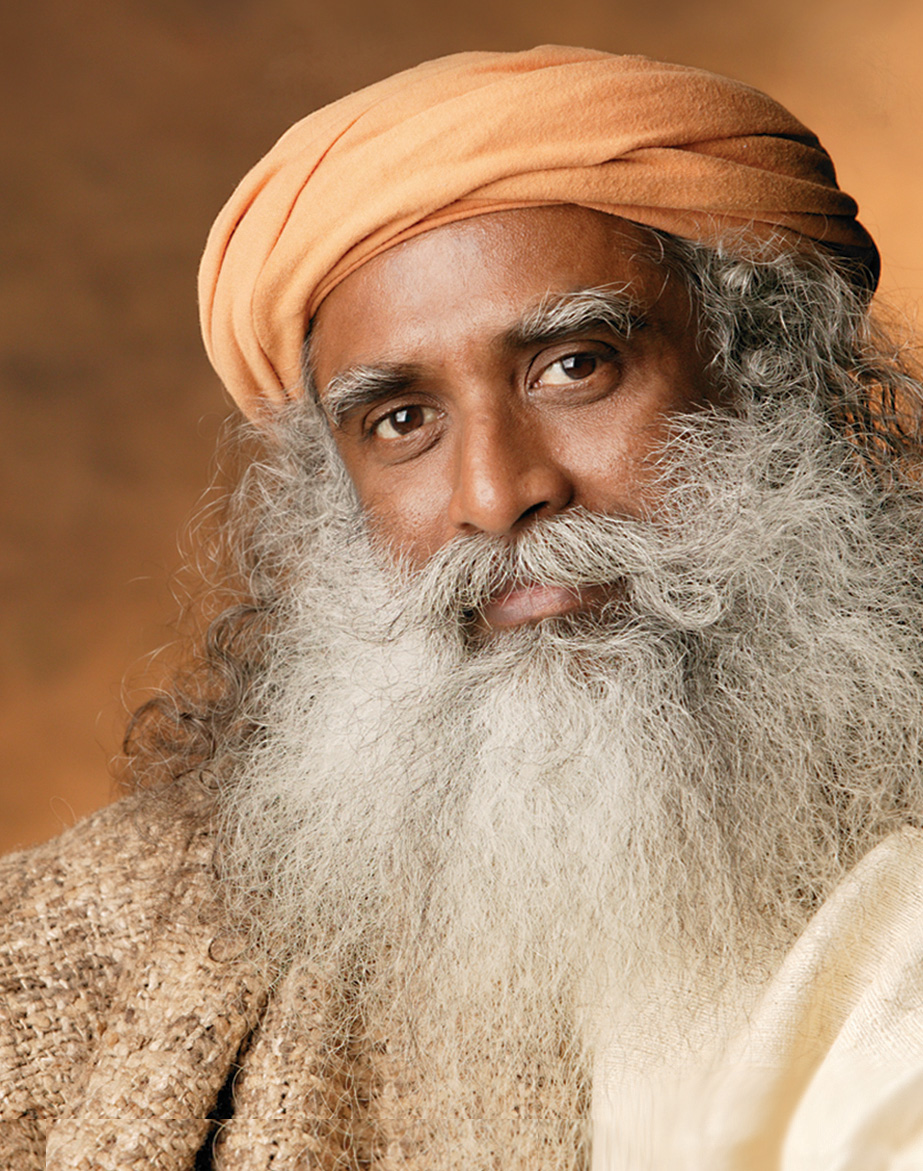
Sadhguru addresses a foundational principle in yogic and Ayurvedic traditions: the idea that cooked food, especially when overprocessed or consumed without awareness, can create inertia—a heaviness or dullness in both body and mind. Unlike raw or lightly prepared foods, cooking fundamentally alters a food's energetic signature and prana (life force). This short teaching unpacks why the method of food preparation matters as much as the food itself, and offers perspective on how conscious eating relates to spiritual practice and mental clarity.

Leitura · 7 seções

What Does "Inertia" Mean in the Context of Food?

In Sadhguru's teaching, inertia refers to a state of lethargy, heaviness, or lack of vibrancy in the body and mind. It is not simply fatigue—it is a quality of dullness that arises when the body's energy is sluggish and the mind becomes cloudy. When applied to food, inertia is the condition that certain foods leave behind in the system, particularly when they are cooked at high temperatures or processed extensively.

This concept draws from ancient Indian philosophical categories, particularly the three gunas (qualities): sattvic (pure, light, elevating), rajasic (stimulating, agitating), and tamasic (heavy, dull, inert). Cooked food, especially when reheated or consumed without mindfulness, tends toward tamasic qualities—it sits in the digestive system without lifting the individual's energy or clarity. The experience is one of physical and mental heaviness rather than alertness.

How Does Cooking Change Food's Energetic Properties?

When food is cooked, its molecular structure changes irreversibly. Raw foods—fruits, vegetables, grains in their natural state—contain prana, or life force, in an active form. This prana is what makes a seed capable of sprouting, what gives a fresh fruit its nutritional density, what allows the body to access and utilize energy efficiently.

Cooking, particularly at high temperatures, breaks down this prana. The food becomes inert—it no longer contains the living intelligence that helps the body assimilate and integrate it. While cooking does make certain nutrients more bioavailable (a fact Ayurvedic practitioners acknowledge), it also removes the subtle energetic dimension that distinguishes living food from dead food.

From a practical yogic standpoint, this matters because the body does not simply extract calories from food—it absorbs the entire energetic signature of what it consumes. A raw carrot carries vibrancy; the same carrot boiled for thirty minutes becomes something the body must work harder to integrate, leaving behind a residue of inertia rather than vitality.

Why Does Inertia Interfere with Spiritual Practice and Mental Clarity?

Sadhguru frequently emphasizes that spiritual practice—whether meditation, pranayama (breath work), or mantra—requires a certain level of physical and mental clarity. Inertia acts as an obstacle to this clarity. When the body is heavy and the mind is dull, the nervous system is sluggish, attention wanders more easily, and the subtle energy channels (nadis) through which prana flows become congested.

Someone who meditates on a diet heavy in cooked, processed foods will find their practice more difficult. The body feels resistant; the mind feels foggy. This is not a coincidence—it is a direct relationship between the quality of what you consume and the quality of your inner experience. Inertia is the antithesis of the lightness and clarity required for deeper spiritual work.

Even outside of formal practice, inertia affects your baseline capacity for awareness. You move through the day less present, less responsive, more caught in mental loops. Decisions feel harder. Creativity feels blocked. This is the cost of sustained inertia in the system.

What Is the Relationship Between Cooking and Digestion?

One argument made in favor of cooking is that it pre-digests food, making it easier on the digestive system. There is truth to this—cooking softens food and reduces the mechanical burden on the stomach and intestines. However, Sadhguru's teaching suggests a trade-off: while cooking may reduce the digestive effort, it also reduces the quality of what is being digested.

When you eat raw or lightly prepared food, your digestive system must work more, but it works with living material. The digestive fire (agni) is engaged and strengthened. Over time, this builds digestive capacity and vigor. Conversely, eating exclusively cooked food allows the digestive system to atrophy—it becomes lazy and dependent on pre-digested, inert matter.

This is why in many traditions, people who want to deepen their practice gradually increase the proportion of raw food in their diet. It is not about rejecting cooking entirely, but about restoring the body's capacity to work with living foods and therefore experience living energy.

Does This Mean All Cooked Food Is Bad?

Sadhguru's teaching is nuanced here. The principle is not that cooking is inherently evil, but that the degree of cooking and the awareness with which you eat matter enormously. A lightly steamed vegetable, eaten fresh and mindfully, retains more prana than a vegetable boiled for hours and eaten mechanically while distracted.

Additionally, certain foods may require light cooking for safety or to unlock specific nutrients. The teaching is about being intentional—understanding that cooking is a trade-off and choosing when that trade-off serves you and when it doesn't.

Traditional ayurvedic cooking, for instance, uses spices and ghee to support digestion while cooking food gently. The aim is to prepare food in a way that honors both its nutritional and energetic dimensions. This is different from modern industrial food preparation, which prioritizes shelf stability and taste while depleting the prana entirely.

How Can You Reduce Inertia Through Food Choices?

Practically speaking, introducing more raw foods into your diet is one direct approach: fresh fruits, leafy greens, sprouted grains and legumes, raw nuts and seeds. These foods carry their full prana and do not leave the body feeling sluggish.

If you do cook, consider cooking lightly and briefly. Steaming rather than boiling, using lower temperatures, and eating food soon after preparation all preserve more prana than conventional cooking methods. Eating with awareness—slowly, consciously, with gratitude—also changes how your system processes food. The same meal eaten mechanically will leave more inertia than the same meal eaten with presence.

For those serious about spiritual practice, gradually shifting toward a diet that is predominantly raw or lightly cooked is considered a natural evolution. It is not a matter of ideology but of direct experience: people who make this shift consistently report feeling lighter, more alert, and finding their practice less obstructed.

Where to Go From Here

Understanding the relationship between food and inertia is one entry point into a larger principle: that everything you consume—food, but also sensory input, media, relationships—carries an energetic signature that shapes your inner state. Sadhguru's teaching invites you to become more discerning about what you take in and why.

If you want to deepen this exploration, you might experiment with increasing raw food in your diet for two to four weeks and notice the shifts in your energy, clarity, and capacity for presence. You might also explore traditional food preparation practices in Ayurveda or yogic systems, which encode centuries of understanding about how to prepare food consciously.

Ultimately, the question is not "Should I eat only raw food?" but "What is the relationship between what I consume and how I experience my own consciousness?" When you begin to see food as more than fuel—as a direct input into your state of being—you naturally begin to choose with more care.

Comments

Loading the conversation…

Sadhguru
ArtistSadhguru

Indian yogi, mystic, and founder of the Isha Foundation. Through his programs (Inner Engineering, Bhava Spandana, Samyama) and books, he has introduced millions worldwide to a cont…

Ver perfilSite
Explorar temas
Cooked-foodInertia-energyPrana-vitalityFood-consciousnessAyurveda

Tem perguntas?

Perguntas frequentes

Cooking breaks down prana—the life force in food—making it inert rather than living. When your body digests lifeless food, it requires more effort while receiving less energetic vitality, leaving behind a quality of heaviness called inertia that affects both body and mind.
Cooked food creates inertia—a sluggishness in the nervous system and mind—that directly interferes with meditation. The dullness makes it harder to focus, easier for attention to wander, and clouds the clarity needed for deeper spiritual practice.
Raw food contains active prana and living intelligence that the body readily assimilates, leaving you feeling light and alert. Cooked food, especially when highly processed or reheated, is inert and depleted of this life force, causing the body to experience heaviness and mental fog.
No—the principle is about degree and awareness. Lightly steamed or gently cooked food eaten mindfully retains more prana than food boiled for long periods and eaten mechanically. The key is intentional preparation and choosing when cooking serves you.
Introduce more raw foods like fresh fruits, leafy greens, and sprouted grains. If you cook, do so lightly and briefly, and eat with awareness rather than distraction. Eating slowly and consciously changes how your system processes food and reduces the residual heaviness.
Cooking actually makes some nutrients more bioavailable, but it destroys the subtle prana—the living intelligence—that distinguishes living food from dead matter. This trade-off means cooked food requires more digestive effort while delivering less energetic vitality.
Prana is life force—the active energy present in living foods like fresh fruits and raw vegetables. It is what allows seeds to sprout and what gives the body access to vitality, clarity, and aliveness. Cooking depletes prana, making food inert.

Continuar lendo

More from Sadhguru

Ver Tudo
Inspire Your Children to Listen Through Personal Example
Inspire

Inspire Your Children to Listen Through Personal Example

Don't demand obedience. Instead, become someone your children genuinely admire and want to emulate. That's the true foundation of parental i…

1 min read
Mortality as a Wake-Up Call: Grief as a Path to Living Fully
Inspire

Mortality as a Wake-Up Call: Grief as a Path to Living Fully

When someone we love passes, we confront the fleeting nature of existence. A spiritual teacher shows how loss becomes an opportunity to recl…

1 min read
Chanting as Home Base: Faith, Thought, and the Restless Mind
Inspire

Chanting as Home Base: Faith, Thought, and the Restless Mind

Krishna Das explains why chanting steadies a restless mind, how faith grows from lived experience, and what "vote" we really have over the t…

1 min read
Why Life Keeps Testing You: Building on Rock, Not Sand
Inspire

Why Life Keeps Testing You: Building on Rock, Not Sand

Eckhart Tolle reads the house-on-rock parable to explain why life keeps challenging us. A rooted inner dimension, he says, keeps grief from …

1 min read

Continue explorando

Continue sua jornada

Mais sabedoria e mais encontros de todo o diretório BrightStar.

Mais artigos

Explore a biblioteca completa de ensinamentos, entrevistas e guias.

Voltar a todos os artigos →

Professores e artistas

Conheça as linhagens, os músicos e os guias do mundo consciente.

Explorar artistas →

Encontre um evento

Kirtan, retiros, banhos de som, breathwork, festivais — acontecendo em breve.

Ver eventos →