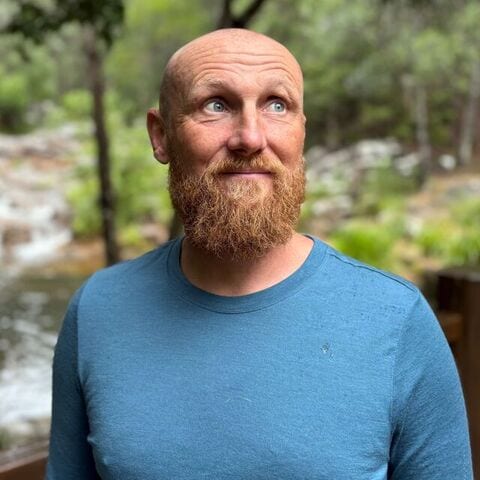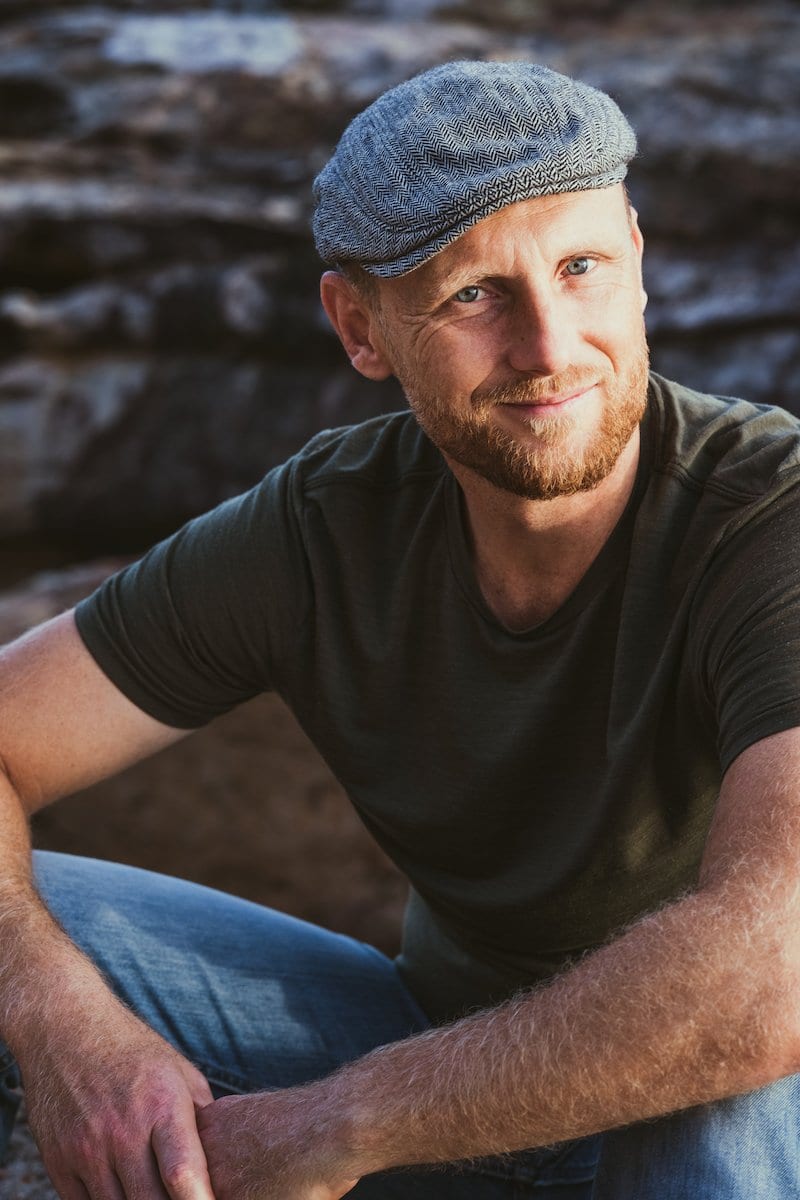

Tomek Wyczesany, Ph.D. teaches in a register that is closer to training than to initiation. His work is built around three formats: one-on-one mentoring, guided meditations, and group offerings that include corporate mindfulness seminars, workshops, and retreats. What they share is a plain, explanatory manner. The public record gives no sign of theatrical atmosphere or promises of mystical transformation. Where many teachers lean on mood, he appears to lean on clarity.
The mentoring is the center of gravity. He works with people who want clarity on their current path, who are dealing with health challenges, or who simply feel stuck. The likely rhythm is consultative: he listens to a person's situation, then offers practices suited to it. That is an inference from how the work is framed, not a documented transcript of a session, and it should be read as such.
The group formats are structured with similar restraint. His corporate offering includes a six-seminar series on building a personal, daily mindfulness practice, which tells you something about his priorities: the aim is a habit that survives ordinary life, not a peak experience. His corporate retreats balance activities with quiet time. Nothing in the bio suggests an extreme or austere environment. The emphasis is on portability.
Mindfulness in everyday life is the foundation. Meditation here is not an escape from work, health, or relationships but a tool for meeting them more clearly. Alongside it sit acceptance and awareness, which he treats as practical capacities rather than spiritual achievements. Clarity and focus follow, along with what he calls inner wisdom, a phrase that in his framing points to the coherence available when mental noise settles, not to anything channeled or supernatural.
A quieter theme is permission. By aiming his mentoring at scientists, academics, and rational minds, he addresses a specific obstacle: the sense that contemplative practice demands belief. His position is that it does not. Health and stuckness recur as well, which orients the teaching toward resilience and problem-solving more than transcendence. Sleep gets its own treatment in his guided meditations, alongside secular mindfulness.
The public material does not record specific questions he poses, and inventing them would be dishonest. What can be said is that the structure of his work implies certain lines of inquiry. What is the mind doing when a person feels stuck? Where does resistance to the current situation add to the difficulty? What would clarity about a path actually look like, and what is obscuring it? For an analytical person, a further question follows: can I test this practice against my own experience instead of taking it on trust? Those are readings of the work, not quotations.
The delivery appears deliberately plain. His background, a PhD, a Master's degree, and over a decade in academic positions across Europe and Australia, shapes a voice that favors explanation over incantation. Nothing in the available material points to scripture, devotional ritual, or storytelling as central devices, and nothing documents his use of humor. Silence is part of the structure at least in the corporate retreats, which build in quiet time, and it is the obvious medium of the guided meditations. Beyond that, the aesthetic is best described by what it omits: no Sanskrit chanting, no esoteric cosmology, no personality cult. Whether that reads as clean or as bare depends on the listener.
His guided meditations have been streamed nearly five million times, mostly through YouTube, and they are described as carrying the same spirit as the one-on-one work. That reach suggests the plain approach travels well.
It lands most naturally for skeptical, analytical people: researchers, academics, professionals who want contemplative practice without a belief system attached. It also suits people in a concrete difficulty, such as a health problem, a career fork, or a persistent sense of being stuck, who want a steady practice and a thoughtful interlocutor. Corporate groups wanting a sustainable daily habit fit the same pattern.
It is likely to frustrate others. Someone seeking entry into a particular religious or devotional path will find the approach deliberately non-sectarian and possibly thin. People who learn through story, metaphor, and felt atmosphere may find the explanatory style too cerebral. Those hoping for a guru relationship, intense retreat states, or non-ordinary experience are looking for something he does not appear to offer. His own work is framed as a tool for ordinary waking life, and it should not be confused with medical or therapeutic treatment.
His bio places the work within "science and contemplative wisdom traditions" without naming any specific lineage, school, or teacher. Other sources describe more than fifteen years of personal practice and training across various mindfulness traditions, but the particular traditions are not specified. The honest description is therefore eclectic and non-sectarian: a teacher who draws on contemplative wisdom and secular mindfulness, filtered through academic habits of evidence and skepticism, and who does not present himself as the custodian of any single line of transmission.
That absence is a defining feature of the profile. Those who value lineage will want to look elsewhere. Those who distrust it may find that the lack of one is the point. Based on the available record, he is a credentialed, understated, practically minded teacher whose authority rests on clarity and reach rather than on pedigree or charisma.