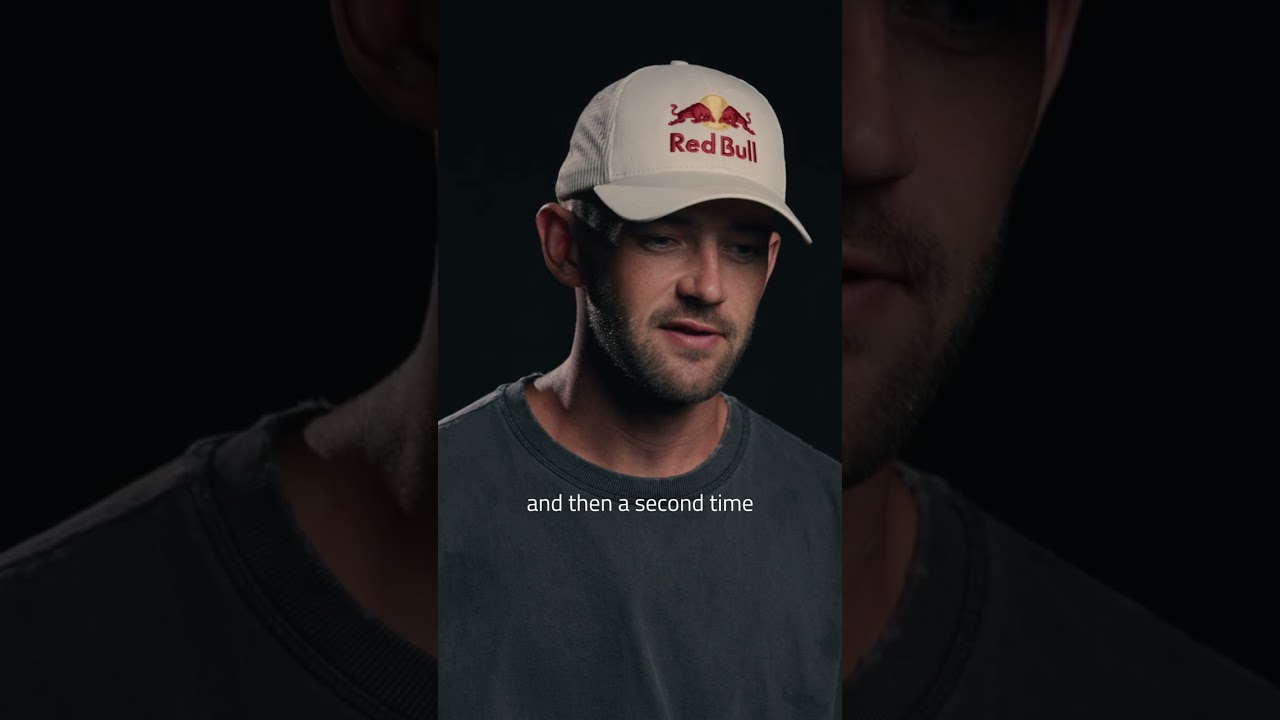
The transition from short course to long course racing is a significant milestone for many triathletes. In the latest episode of "IRONMAN Insider," Solveig Løvseth shares her unique experiences and insights gained from her recent races in Hamburg and Lake Placid. As she reflects on the pressures of long course racing and the importance of nutrition and mental resilience, her journey serves as both inspiration and practical guidance for athletes contemplating their own shift to longer events. This article delves into key takeaways from her conversation, offering actionable advice and deeper context for aspiring IRONMAN competitors.
Solveig Løvseth's transition from short course to long course racing is a journey that resonates with many athletes looking to expand their endurance portfolio. Short course events often focus on speed and quick transitions, while long course triathlons, like the IRONMAN, require a different mindset and strategy. Solveig emphasizes that the shift isn’t merely about covering more distance; it involves adapting to a new pace, managing energy levels over extended periods, and learning to maintain focus during the prolonged effort.
In her races at Hamburg and Lake Placid, Solveig encountered distinct race dynamics that highlight these differences. The longer distances necessitate careful pacing and energy management, where even a small mistake can have significant repercussions later in the race. Athletes transitioning to long course must re-evaluate their training schedules, incorporating longer workouts that simulate race conditions to develop the endurance required for a successful IRONMAN.
Moreover, the mental aspect of long course racing cannot be overlooked. Solveig discusses how athletes need to cultivate mental resilience, learning to cope with the physical discomfort and fatigue that comes with hours of racing. This mental preparation is just as crucial as physical training, and athletes should engage in strategies like visualization and positive self-talk to bolster their confidence and focus as they face the challenges of long course events.
Solveig’s experiences in Hamburg and Lake Placid provide valuable insights into the realities of long course racing. In Hamburg, she faced a highly competitive field, which added an extra layer of pressure on race day. The dynamics of competing against elite athletes can be daunting, but Solveig emphasizes the importance of staying true to one’s race plan and focusing on personal performance rather than getting caught up in the competition.
Lake Placid, known for its challenging course and stunning scenery, presented its own set of obstacles. The elevation changes and unpredictable weather conditions tested her mental and physical fortitude. These experiences highlight the necessity for athletes to prepare for various environmental factors and understand how to adapt their racing strategies accordingly. The ability to adjust one's pacing and nutrition on the fly can be the difference between a successful race and a frustrating experience.
Through these races, Solveig learned the importance of post-race reflection. Analyzing what worked well and what didn’t can lead to significant improvements in future performances. This process of self-assessment is vital for any athlete looking to progress, and it showcases the continuous journey of growth that endurance sports offer.
Nutrition is a cornerstone of endurance performance, and Solveig stresses its critical role in achieving success during long course races. Proper fueling strategies must be developed well before race day, and athletes should experiment during training to find what works best for them. This includes understanding the appropriate ratios of carbohydrates, fats, and proteins needed to sustain energy levels throughout prolonged efforts.
During her races, Solveig highlights the importance of consuming adequate calories every hour to maintain performance levels. A common recommendation is to aim for 60-90 grams of carbohydrates per hour, which can be achieved through a combination of gels, bars, and electrolyte drinks. Finding the right balance of hydration and nutrition can be a game changer, especially during the latter stages of the race when fatigue sets in.
Additionally, Solveig emphasizes that not all nutrition plans are one-size-fits-all. Every athlete has unique needs based on their metabolism, training intensity, and personal preferences. Therefore, it’s essential to tailor nutrition strategies and practice them in training to ensure that the body can efficiently metabolize the chosen fuels during the race.
Mental resilience is a recurring theme in Solveig’s discussion, particularly in the context of facing the challenges of long course races. The mental hurdles encountered during an IRONMAN can be as daunting as the physical ones, with fatigue and self-doubt creeping in during the latter stages of the event. Solveig shares techniques that have helped her maintain focus and push through tough moments.
One effective strategy is to break the race into smaller, manageable segments. Instead of viewing the race as an overwhelming whole, athletes can focus on completing one section at a time. This approach not only makes the distance feel more achievable but also helps maintain motivation and energy levels throughout the event.
Visualization techniques are another powerful tool that Solveig advocates for. By picturing herself successfully completing the race and overcoming obstacles, she builds confidence and prepares her mind for the challenges ahead. This mental rehearsal can be particularly beneficial during training, where athletes can simulate race scenarios and practice their responses to potential setbacks.
The competitive landscape in women's IRONMAN racing is evolving, with more athletes entering the field and raising the bar for performance. Solveig notes the camaraderie among female athletes, which creates a supportive environment even amidst fierce competition. This spirit of shared experiences and mutual encouragement can be a powerful motivator for athletes aiming to excel in long course events.
As more women participate in IRONMAN races, the level of competition continues to increase, pushing everyone to perform at their best. It's essential for athletes to stay informed about their competitors and understand the current trends in race pacing and strategies. This knowledge can help them prepare more effectively and strategize their race approach.
Solveig encourages aspiring athletes to view competition as an opportunity for growth rather than intimidation. The focus should be on personal improvement and achieving individual goals, which ultimately enhances the overall experience of racing. Embracing the challenge and learning from competitors can lead to better performances and a deeper appreciation for the sport.
Training for long course events demands a strategic approach that balances endurance, speed, and recovery. Solveig emphasizes the importance of structuring training plans that incorporate various intensity levels, including long, slow distance workouts and higher-intensity interval sessions. This variety helps build a robust aerobic base while also improving speed and power.
In her training regimen, Solveig often includes brick workouts, which combine cycling and running in a single session. This method simulates race conditions and helps the body adapt to the transition from bike to run, a critical aspect of long course racing. Athletes should aim to practice these transitions regularly to enhance their efficiency and comfort on race day.
Recovery is another crucial element of training that athletes often overlook. Solveig highlights the need for adequate rest and recovery periods to allow the body to heal and adapt to the training load. Incorporating rest days, active recovery sessions, and proper nutrition can significantly impact overall performance, ensuring that athletes are ready to tackle their next workout or race.
Solveig offers invaluable advice for amateur athletes gearing up for their first IRONMAN. One of her primary recommendations is to start early with preparation. Training for a long course triathlon requires time to build endurance and work through the various components of swimming, cycling, and running. A well-structured training plan should span several months to allow for gradual progression and adaptation.
Additionally, athletes should prioritize consistency in their training. Regular workouts help build the necessary fitness levels, while also establishing routines that can reduce pre-race anxiety. Engaging with local training groups or finding a coach can also provide essential support and accountability throughout the training process.
Finally, Solveig emphasizes the importance of enjoying the journey. Preparing for an IRONMAN is challenging, but it should also be a rewarding experience. Athletes should celebrate their milestones, whether big or small, and remember to embrace the community of fellow endurance athletes who share the same passion for racing.
Watch the complete video above for the full breakdown. For more endurance content, explore our latest articles, browse upcoming events, or discover athlete profiles on EnduranceFinder.