SportsCampFinder

すべてのCampsを見る

Find the perfect camp for your athlete

camps

Basketball Camps
Soccer Camps
Baseball Camps
Football Camps
Volleyball Camps
Lacrosse Camps
Multi-Sport Camps
Elite Training
Overnight Camps
Day Camps
人気の目的地
BaliSedonaLos AngelesCosta RicaNew YorkSan FranciscoAustinMiamiJoshua TreeTulum
すべてのカテゴリを見るすべての目的地を見る

すべての機能を探索

イベントを成長させる強力なツール

プラットフォーム機能

スマートダイナミックプライシング
チケットカテゴリ
座席指定
カート放棄リカバリー
訪問者リカバリー
寄付とスライディングスケール
アフィリエイトシステム
チケットスキャナー
クーポンコード
カスタム質問
チケット共有
アップセルとアドオン
分析とレポート
メールシーケンス
ウェイトリスト / 通知 / リマインダー
人と場所
Camp OrganizersCamp FacilitiesKnowledge BaseInspiration
すべての機能を見る私たちについて
料金ブログ
Language
Saved events
すべてのイベントを見る

camps

Basketball CampsSoccer CampsBaseball CampsFootball CampsVolleyball CampsLacrosse CampsMulti-Sport CampsElite Training

人気の目的地

BaliSedonaLos AngelesCosta RicaNew YorkSan Francisco

人と場所

Camp OrganizersCamp FacilitiesKnowledge BaseInspiration

プラットフォーム機能

スマートダイナミックプライシングチケットカテゴリ座席指定カート放棄リカバリー訪問者リカバリー寄付とスライディングスケールアフィリエイトシステムチケットスキャナークーポンコードカスタム質問チケット共有アップセルとアドオン分析とレポートメールシーケンスウェイトリスト / 通知 / リマインダー
すべての機能を見る私たちについて
料金ブログ
ログインParents & athletesCamp directors
  • Browse all camps
  • Basketball Camps
  • Soccer Camps
  • Baseball Camps
  • Football Camps
  • Volleyball Camps
  • Lacrosse Camps
  • Multi-Sport Camps
  • Elite Training
  • All sports →
  • Orlando
  • Los Angeles
  • New York Metro
  • Dallas / Fort Worth
  • Chicago
  • Phoenix / Scottsdale
  • Atlanta
  • Denver
  • Seattle
  • Boston
  • Houston
  • Philadelphia
  • San Diego
  • Minneapolis / St. Paul
  • すべての都市 →
  • List your camp
  • Camp director dashboard
  • Pricing
  • Coaches & academies
  • Online registration & payments
  • Waivers & medical forms
  • Check-in app
  • Family messaging
  • Waitlist & notify
  • Camp marketing
  • Reports
  • All features →
  • About SportsCampFinder
  • Camp guides
  • Help Center
  • Contact
  • Careers
  • Press
  • 利用規約
  • プライバシーポリシー

Camps

  • Browse all camps
  • Basketball Camps
  • Soccer Camps
  • Baseball Camps
  • Football Camps
  • Volleyball Camps
  • Lacrosse Camps
  • Multi-Sport Camps
  • Elite Training
  • All sports →

目的地

  • Orlando
  • Los Angeles
  • New York Metro
  • Dallas / Fort Worth
  • Chicago
  • Phoenix / Scottsdale
  • Atlanta
  • Denver
  • Seattle
  • Boston
  • Houston
  • Philadelphia
  • San Diego
  • Minneapolis / St. Paul
  • すべての都市 →

組織向け Camp directors

  • List your camp
  • Camp director dashboard
  • Pricing
  • Coaches & academies

機能

  • Online registration & payments
  • Waivers & medical forms
  • Check-in app
  • Family messaging
  • Waitlist & notify
  • Camp marketing
  • Reports
  • All features →

会社

  • About SportsCampFinder
  • Camp guides
  • Help Center
  • Contact
  • Careers
  • Press
  • 利用規約
  • プライバシーポリシー
SportsCampFinder
© 2026 SportsCampFinder. 全著作権所有.
Inspire

Mooji Mone: Traditional Tulu FolkSong and Dance Steps

Mooji
Mooji
Jul 27, 2022
読了 約5分

This video presents "Mooji Mone," a traditional Tulu folk song rooted in the cultural heritage of the Tulu-speaking region of southern India, specifically from the Mangalore (Mangaluru) area. The content provides instruction in both the song and its accompanying dance steps, making it a practical resource for learning authentic Tulu folk performance traditions.

読む · 7セクション

What is "Mooji Mone" in Tulu Folk Tradition?

"Mooji Mone" represents one of the significant compositions within Tulu folk music, originating from the Tulu Nadu region—the traditional homeland of the Tulu-speaking people located in what is now Karnataka, India. The Tulu language and its associated cultural expressions, including folk songs and dances, form a distinct regional identity within South Indian classical and folk traditions. This particular song exemplifies how Tulu folk music carries narratives, emotions, and movement patterns that have been passed down through generations in Mangalore and surrounding areas.

Tulu folk songs typically emerge from everyday life experiences, celebrations, and historical narratives of the Tulu people. The song "Mooji Mone" fits within this broader context, functioning both as a musical composition and as a vehicle for cultural transmission through its integrated dance form.

How Does the Dance Component Function Within Tulu Folk Traditions?

The dance steps accompanying "Mooji Mone" are not decorative additions but integral elements of the folk expression. In Tulu folk tradition, the coordination between lyrical content, melody, and bodily movement creates a unified cultural statement. The video focuses on demonstrating these specific steps, allowing learners to understand how the physical vocabulary of Tulu dance interprets and amplifies the meaning of the song.

Tulu folk dances typically employ:

  • Rhythmic footwork patterns synchronized with percussion
  • Upper body movements that reflect regional aesthetic principles
  • Movements that often reflect labor, celebration, or narrative storytelling
  • Group formations that emphasize community participation

By focusing on the step-by-step instruction format, this video makes the choreography accessible to students and practitioners, whether they are members of the Tulu community seeking to preserve their heritage or outsiders interested in learning South Indian folk forms.

Why Does Preserving Tulu Folk Music and Dance Matter?

The Tulu language and its associated cultural practices face ongoing pressures from linguistic homogenization and the dominance of more widely spoken regional languages. Recording and teaching traditional forms like "Mooji Mone" serves several purposes: it creates documented references for future generations, validates the cultural contributions of Tulu-speaking communities, and provides pathways for cultural practitioners to transmit their knowledge to younger learners.

Folk traditions function as historical archives—they encode information about social structures, values, occupations, celebrations, and relationships within a given community. By learning and performing "Mooji Mone," practitioners participate in maintaining a living connection to Tulu cultural identity and regional heritage.

What Distinguishes Tulu Folk Performance From Other South Indian Forms?

While South India hosts multiple folk traditions—including Kannada, Tamil, and Malayalam folk forms—Tulu folk carries its own distinctive characteristics. The Tulu language itself has phonetic and linguistic features that influence how songs are sung, while the region's unique geography, history of trade, and cultural interactions have shaped the movement vocabulary and aesthetic principles of its dances.

The instructional focus on this particular song and its choreography highlights the specificity of Tulu folk expression. Rather than blending into a generalized "South Indian folk" category, "Mooji Mone" demonstrates elements that are distinctly Tulu in origin and performance practice.

How Can Learners Approach Learning This Traditional Form?

The video format—combining demonstration of the song with step-by-step dance instruction—provides a modern pedagogical framework for traditional knowledge transmission. Learners can approach this material by:

  • Focusing first on learning the melody and lyrical content of "Mooji Mone"
  • Studying the foundational footwork patterns independently
  • Gradually integrating upper body movements with the footwork
  • Understanding how the song's narrative or emotional content shapes the choreography
  • Practicing repeatedly to develop muscle memory and authentic performance quality

This structured approach recognizes that folk forms require embodied practice—understanding the material intellectually is distinct from being able to perform it with cultural authenticity and physical confidence.

What Role Do Dance Classes Play in Cultural Preservation?

The Upaasana Dance Classes platform demonstrates how contemporary teaching methods—video documentation, step-by-step instruction, digital accessibility—serve traditional cultural preservation. By making Tulu folk dance instruction available online, such classes extend the reach of the tradition beyond geographic and temporal limitations that might otherwise constrain its transmission.

Dance classes functioning as cultural repositories represent a hybrid approach: they maintain the integrity of traditional forms while adapting delivery methods to contemporary learning environments. This democratization of access allows individuals who might not have grown up in Tulu-speaking communities to engage meaningfully with the tradition.

Where to Go From Here

If you are interested in deepening your engagement with Tulu folk traditions, consider exploring the broader body of Tulu folk songs and their cultural contexts. Research the historical narratives, occupational activities, and celebrations that generated these songs. Seek out additional instructional resources from Upaasana Dance Classes and other centers dedicated to preserving regional folk forms. If possible, connect with Tulu-speaking communities or cultural organizations that may offer workshops, performances, or mentorship in these traditions. Learning a single song like "Mooji Mone" can serve as a gateway into understanding Tulu culture more comprehensively, including its language, history, and artistic heritage.
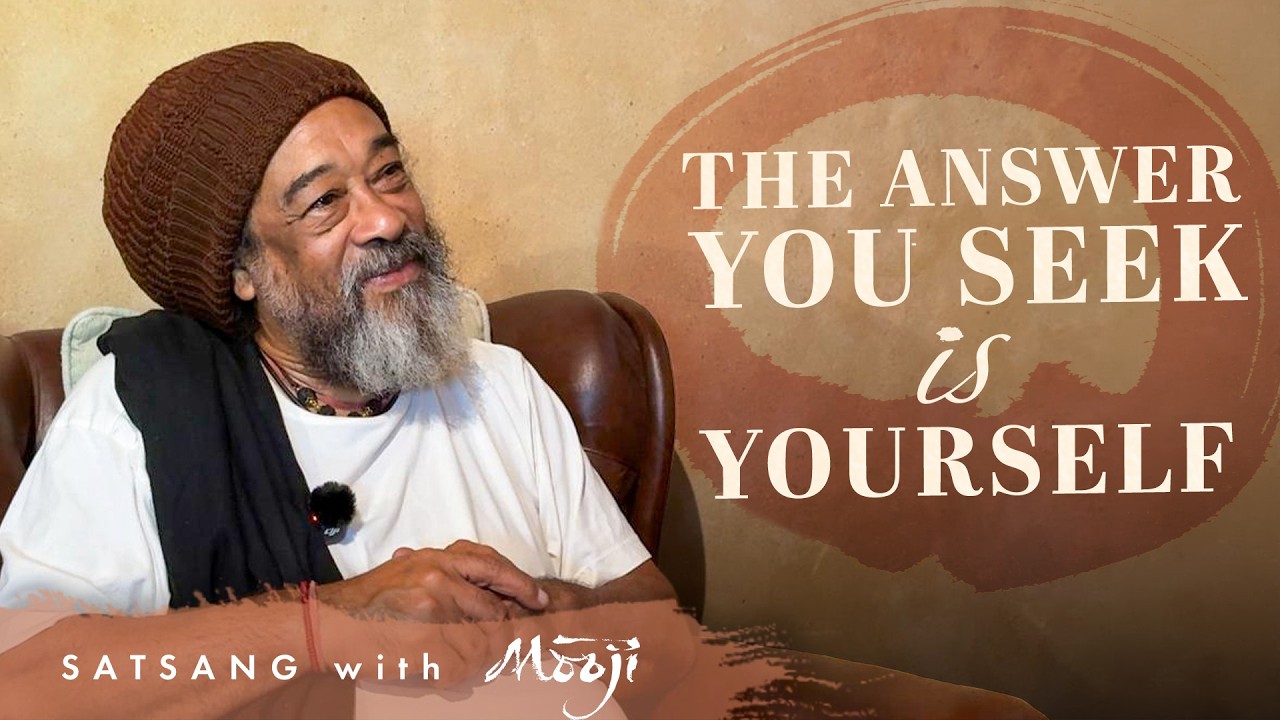
Mooji
ArtistMooji

Jamaican-born teacher of Advaita Vedanta in the lineage of Ramana Maharshi and Papaji. After a transformative meeting with Papaji in 1993, he began holding satsangs that have grown…

プロフィールを見るウェブサイト
トピックを見る
Tulu-folkTraditional-danceSouth-indian-cultureDance-instructionCultural-preservation

ご質問はありますか?

よくある質問

Tulu folk music originates from Tulu Nadu, a region in southern India (primarily in Karnataka) where the Tulu language is spoken. It encompasses songs and dances that reflect the history, daily life, celebrations, and narratives of Tulu-speaking communities, particularly in the Mangalore area. These traditions are integral to the cultural identity of the Tulu people.
In Tulu folk tradition, dance steps are not separate from the song but form an integrated expression of the musical and cultural meaning. The choreography interprets and amplifies the song's lyrical content, creating a unified performance that combines melody, rhythm, narrative, and physical movement.
Learning traditional Tulu dances helps preserve an endangered cultural heritage, as Tulu language and culture face pressures from linguistic homogenization. By practicing and transmitting these forms, learners maintain a living connection to Tulu identity and ensure the cultural knowledge is available to future generations.
Yes, anyone interested in folk traditions can learn these dances, though understanding the language, historical context, and cultural significance of the songs enriches the practice. Video instruction and dance classes make these forms accessible beyond Tulu-speaking communities.
Tulu folk has distinctive characteristics shaped by the Tulu language's phonetic qualities, the region's unique geography and history, and its cultural interactions. These elements create performance styles and movement vocabularies that are distinctly Tulu rather than generically South Indian.
Beginners should start with the song's melody and lyrics, then learn foundational footwork patterns separately, and gradually integrate upper body movements. Repeated practice is essential to develop both physical competence and cultural authenticity in performing the traditional form.

読みつづける

More from Mooji

すべて表示
The Observer Beyond the Mind: Finding Freedom From Vasanas
Inspire

The Observer Beyond the Mind: Finding Freedom From Vasanas

A sincere seeker struggles with six years of mind storms after a brief taste of peace. Mooji traces the real work: moving from personal perc…

1 min read
Sita Ram Kirtan: Devotional Music in Rishikesh Tradition
Inspire

Sita Ram Kirtan: Devotional Music in Rishikesh Tradition

A performance of "Sita Ram" by Krishnabai and Jai Sahaja in Rishikesh honors the Indian spiritual tradition through devotional kirtan music.…

1 min read
Snatam Kaur's "Ray Man Eh Bhid Jog Kamao": Sacred Sound and Inner Transformation
Inspire

Snatam Kaur's "Ray Man Eh Bhid Jog Kamao": Sacred Sound and Inner Transformation

Snatam Kaur's bhajan bridges devotional Sikh kirtan and contemporary meditation music, using sacred mantra to guide listeners toward release…

1 min read
Build Relationships on Purpose, Not Chemistry
Inspire

Build Relationships on Purpose, Not Chemistry

Krishna-centered relationships transform from transactions into pilgrimages. Discover how shared spiritual purpose creates lasting love.…

1 min read

探索を続ける

旅をつづける

BrightStarのディレクトリから、さらなる智慧と集いを。

もっと記事を読む

教え、インタビュー、ガイドのライブラリ全体をご覧ください。

すべての記事に戻る →

講師とアーティスト

コンシャスな世界の系譜、音楽家、導き手を探しましょう。

アーティストを探す →

イベントを見つける

キルタン、リトリート、サウンドバス、ブレスワーク、フェスティバル — まもなく開かれます。

イベントを見る →