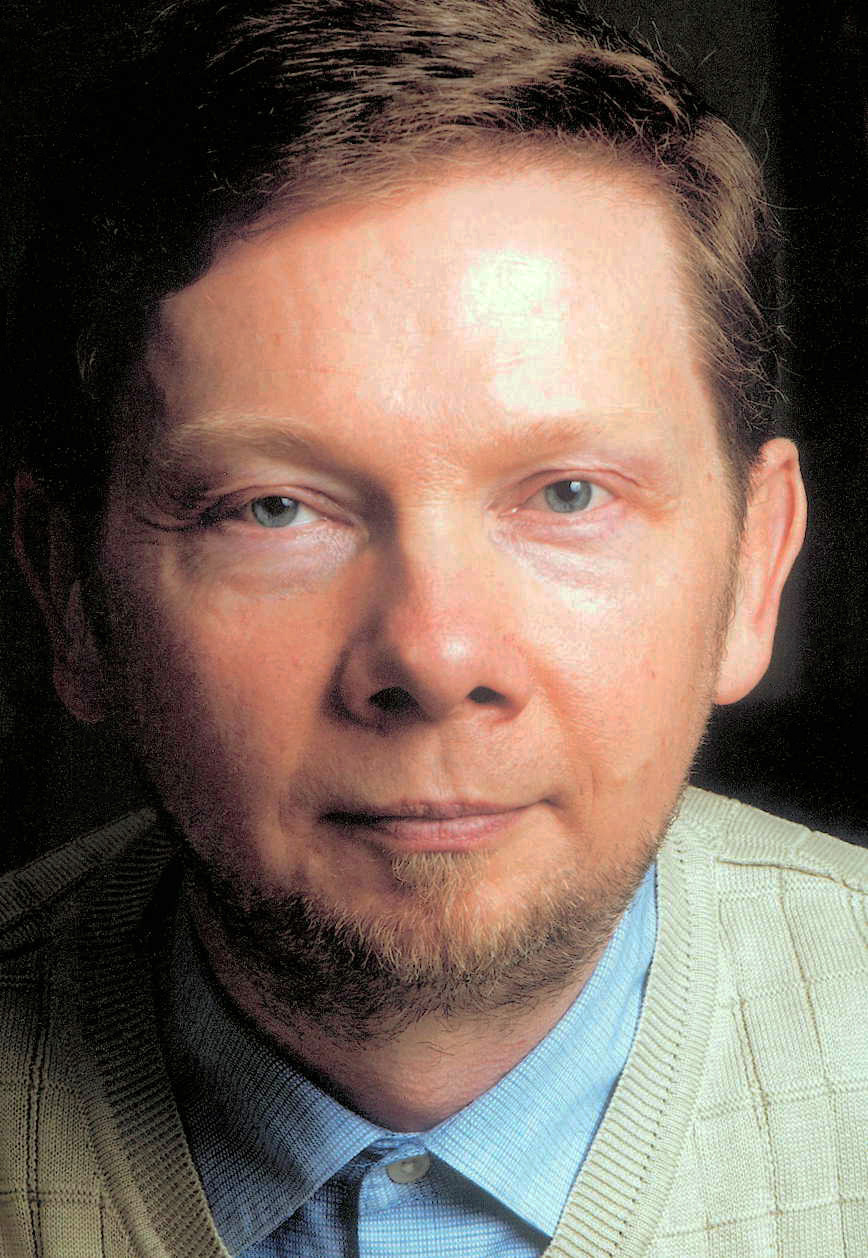
Eckhart Tolle teaches that presence is fundamentally a sensed phenomenon rather than an intellectual concept. The power of now cannot be grasped through explanation or mental understanding alone—it must be experienced directly through embodied awareness. This distinction between sensing and thinking reveals a crucial gap in how consciousness actually works versus how language tries to capture it.
What Does It Mean to Sense Presence?
Presence, as Tolle describes it, is not something that exists primarily in the realm of thought. It is not a concept to be learned from a book or understood through verbal teaching. Instead, presence is a quality of awareness that can only be known through direct experience—through sensing. This is a critical distinction. When you sense something, you are not thinking about it in the usual analytical way. You are in direct contact with it, feeling it in your body and consciousness simultaneously.
The act of sensing presence means becoming aware of the aliveness of the present moment without labeling it or trying to understand it mentally. It is immediate, unmediated awareness. Your senses—in the broadest spiritual sense—register the reality of now before your mind can conceptualize it. This is why presence is often described as something that must be experienced rather than learned. The learning comes in the recognition of what is already present, not in acquiring new information.
Why Can't Presence Be Explained?
There is a fundamental limitation to language and conceptual thinking when it comes to describing presence. Language operates through symbols, categories, and comparisons. To explain something, we typically break it down into parts, relate it to something else, or place it within a framework of known concepts. But presence is the fundamental ground of all experience—it is what makes perception and thinking possible in the first place.
When you try to explain the present moment, you are already one step removed from it. Explanation requires abstraction. The present moment, by contrast, is concrete and immediate. It cannot be subdivided into smaller parts without losing its essential nature. Any attempt to capture it in words creates a representation of presence rather than presence itself. The word "now" is not the now; it is a pointer toward the now. This is the paradox Tolle emphasizes: the tool (language) and the phenomenon (presence) operate on different levels of reality.
This gap between the explicable and the sensed is not a flaw or a failure of human communication. Rather, it reveals the actual structure of consciousness. There are aspects of experience that can only be known through direct contact. A blind person cannot understand the color blue through explanation alone, no matter how detailed. Similarly, someone unfamiliar with presence cannot truly grasp it through words—they must sense into it themselves.
The Power of Now as a Direct Experience
The "power of now" refers to a quality of consciousness that unfolds when attention is anchored in the present moment rather than lost in thought about the past or future. This power is not mystical or supernatural—it is inherent in what it means to be aware. When your consciousness is fully present, it touches reality directly, without the intermediary of mental narration.
This direct contact produces a different quality of being. Many people report a sense of ease, clarity, or aliveness when they are truly present. But these descriptions are still mental attempts to capture a sensed phenomenon. The actual experience is prior to language. It is felt in the body, sensed in the quality of attention, and known through the absence of the mental noise that usually fragments consciousness.
Tolle's teaching points to the fact that you can invite this experience in yourself, but you cannot think your way into it. Presence is not a thought about the present; it is a way of being that is anterior to thinking. You might sense into it through the breath, through bodily sensations, through the simple noticing of what is actually here before you add mental commentary. This is why direct practice—sitting quietly, sensing the body, listening without the filter of expectation—is how presence becomes real to you, not through accumulating more explanations.
The Limitation of Concepts in Describing Consciousness
One of Tolle's central insights is that consciousness itself cannot be fully captured by the conceptual mind. Consciousness is the medium in which all concepts arise, so to try to contain consciousness within a concept is to try to contain the container within the contained. This is logically and experientially impossible. You can describe what consciousness does, what states it moves through, and what changes when you are present—but the actual reality of consciousness escapes the net of language.
This is not pessimistic or limiting in the way it might first appear. Rather, it points to the need for a different epistemology—a way of knowing that includes sensing, intuition, and direct awareness alongside conceptual understanding. Many spiritual traditions have long recognized this. They do not rely solely on verbal teaching but employ meditation, ritual, and direct transmission from teacher to student precisely because some knowledge can only be transferred through presence, not through explanation.
When Tolle says that presence can be sensed but not explained, he is acknowledging the actual structure of human experience. You cannot think yourself into presence; you can only move your attention into the present moment and sense what is actually alive there. This recognition is liberating because it removes the burden of trying to understand presence intellectually. You are freed to simply be present, to sense it in your own experience, without waiting for the perfect explanation that can never arrive.
Sensing as a Gateway to Understanding
If presence cannot be explained, what then is the path to understanding it? The answer is through refinement of sensing. As you practice bringing attention into the present moment, your capacity to sense presence deepens. You notice more subtle dimensions of aliveness, stillness, and consciousness itself. This deepening is a form of understanding, but it is understanding through direct knowledge rather than conceptual knowledge.
Tolle's work consistently points students toward this direct sensing. Rather than offering lengthy philosophical arguments about the nature of consciousness, he invites simple observations: Notice what is here right now. Feel the aliveness in your hands. Sense the space around you. Listen to the silence beneath the sounds. These invitations are not creating presence—they are redirecting attention toward what is already present but typically overlooked in the activity of thinking about life rather than living it.
This is why Tolle's teaching, though grounded in profound insight, often unfolds through simple pointers and direct invitation rather than elaborate intellectual scaffolding. The purpose is not to leave you with better concepts but to help you shift into a different mode of knowing—one in which you sense presence directly, in your own experience, moment by moment.
Where to Go From Here
If you recognize the truth of Tolle's teaching—that presence is sensed rather than explained—the natural next step is to pause and sense for yourself. Set aside time to sit quietly and notice what is actually present in this moment before your mind adds a narrative about it. Feel the solidity of your body, the movement of breath, the awareness that is aware of these things. You will not find a clear explanation of what you are sensing, but you will touch something fundamental that no explanation could adequately convey.
The deepening of presence is an ongoing practice, not a final destination. As your sensitivity to the present moment grows, you may find that the questions that drove you to seek explanations begin to dissolve into the simple aliveness of being here now. The power of this shift is not something to be understood conceptually but discovered through your own sustained attention and sensing.


