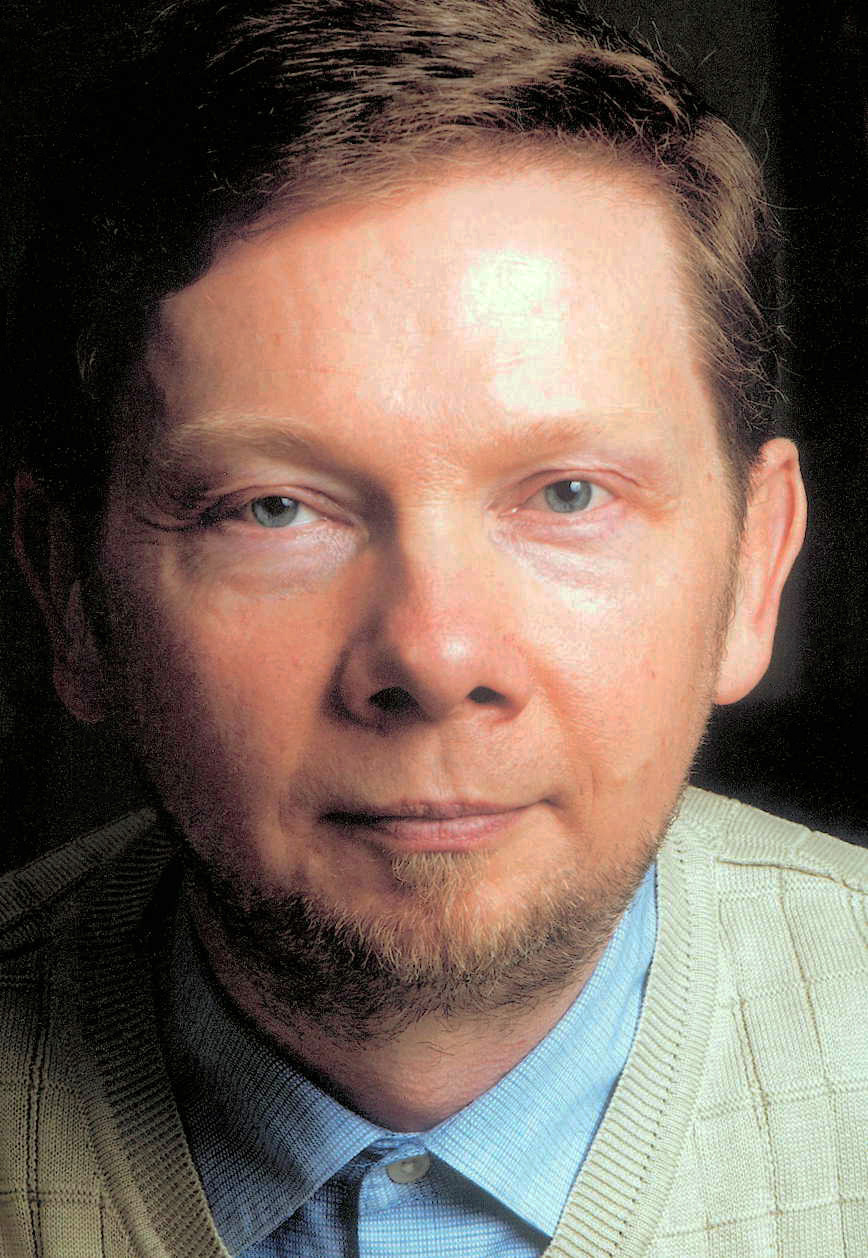
According to Eckhart Tolle, the fundamental difference between a "problem" and a "challenge" lies in your state of presence. When you are fully present—anchored in the now rather than caught in mental narratives about the future or past—what you face becomes a challenge to engage with rather than a problem to suffer over. A problem is an interpretation layered onto a situation by an absent mind; a challenge is the same situation met with presence, clarity, and creative response. This distinction dissolves unnecessary suffering and restores agency.
What Is the Difference Between a Problem and a Challenge?
Eckhart Tolle's core insight rests on a linguistic and existential difference. A problem is not the situation itself—it is the mental burden you carry when you are disconnected from the present moment. When your mind pulls you into worry about the future, regret about the past, or resistance to what is, the neutral situation becomes "a problem." It gains weight, density, emotional charge.
A challenge, by contrast, is that same situation encountered with presence and acceptance. The external facts—the difficulty, the obstacle, the disruption—remain identical. What changes is your relationship to it. When you meet a situation from a place of full presence, your mind is available, creative, responsive. You are not drained by the mental commentary that transforms a difficulty into a "problem."
This is not mere semantic reframing. Tolle grounds the distinction in consciousness itself. The author of A New Earth has long taught that most human suffering originates not in circumstances but in the ego's relationship to circumstances—the stories, judgments, and resistance the mind adds. A problem, in this framework, is suffering layered onto a situation. A challenge is a situation met cleanly.
How Does Presence Dissolve the Problem Layer?
The mechanism Tolle points to is straightforward but profound. When you are fully present, your mind is not generating the narrative overlay that creates the sense of "problem." Full presence means your attention is anchored in the now—in the actual sensory, emotional, and situational reality in front of you—rather than looping through thoughts about what could go wrong, what should have happened, or what the situation means about you.
In the present moment, there is only a situation and your capacity to respond. The situation may be genuinely difficult—financial loss, relationship rupture, illness, professional setback. But without the mind's addition of blame, fear, catastrophizing, and identity-threat, the difficulty becomes workable. It becomes a challenge: something to engage with, to problem-solve, to learn from.
Tolle's teaching here aligns with his larger body of work on the pain-body and ego consciousness. The ego mind tends to turn any difficulty into a threat to identity, spinning stories that feel urgent and personal. Presence—what Tolle calls pure consciousness—is free of this interpretive layer. It responds to what is actually needed in the moment, not to what the story says should be needed.
Can You Face a Difficult Situation Without Calling It a Problem?
Yes, according to Tolle's framework. This requires a deliberate shift in awareness. When you notice yourself thinking "I have a problem," pause and observe: What is the actual, concrete situation? What thoughts are being added to it? What resistance or fear is the mind generating?
The situation itself—the facts, the obstacle, the disruption—still requires attention and response. But the word "problem" carries with it a mental heaviness, a sense of being stuck or overwhelmed. Calling it a "challenge" is not denial or spiritual bypassing. It is an accurate description of what is actually happening: you are facing something that calls for engagement, creativity, patience, or learning.
In this reframe, a job loss becomes not "a problem threatening my survival and worth" but "a challenge to reassess skills and direction." A health diagnosis becomes not "a catastrophe that defines me" but "a challenge to learn about healing and what matters." The difficulty itself is not minimized; rather, it is held in a clearer, less distorted way.
What Role Does the Present Moment Play?
The present moment is where your actual power lies. The past is memory; the future is imagination. Problems, as mental constructs, live largely in these two domains—regret, blame, worry, projection, catastrophe scenarios. When you are fully present, you are in the only place where you can actually act, perceive, and respond authentically.
Tolle's teaching on presence is not about ignoring the future or denying the past. It is about preventing your consciousness from being *identified* with those thought-streams. You can remember the past and consider the future while remaining anchored in present awareness. From that anchored state, you see more clearly, think more creatively, and respond with less reactivity.
This is why, in Tolle's view, no problem can exist when you are fully present. The word "problem" requires a layer of mental interpretation and resistance that presence dissolves. What remains is the situation and your capacity to meet it.
How Does This Apply to Ordinary Life?
Tolle's distinction has practical implications. If you are facing a genuine difficulty—conflict with a loved one, professional challenge, financial constraint, health concern—the first move is not to solve it immediately but to notice your relationship to it. Are you present, or is your mind spinning stories? Are you resisting what is, or accepting it as the starting point? Are you seeing the actual situation, or the version filtered through fear and ego?
Once you shift into presence, the situation often becomes less overwhelming. Paradoxically, you may also solve it more effectively. The creative, adaptive capacities available to a calm, present mind are far greater than those available to a mind locked in problem-identification and emotional reactivity.
This does not mean every situation will become easy. Some challenges are genuinely difficult. But you will face them with your full capacities rather than with a fraction of your attention, split between the reality and the mental drama about it.
Where to Go From Here
To deepen this exploration, consider noticing the next time you catch yourself saying or thinking "I have a problem." Pause, breathe, and observe: What is actually happening? What thoughts and emotions are attached to it? Can you rename it as a challenge and feel the shift in your body and mind? Tolle's full talk on this theme, linked in the video description, offers extended reflection on how presence reshapes not just language but your lived experience of difficulty. The core practice is simple but demands consistent attention: return to the present moment, release the mental narrative, and meet what is actually in front of you.


