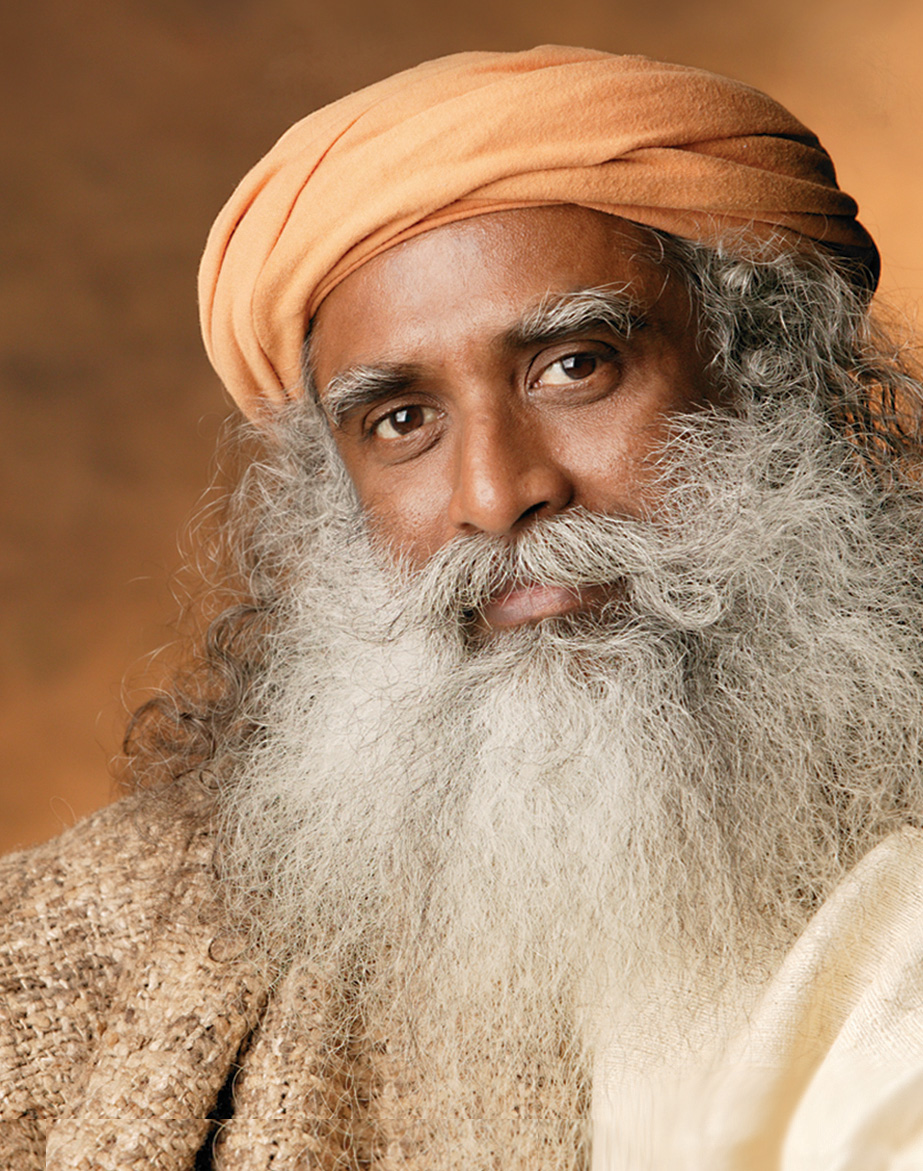
Sadhguru argues that 90% of human diseases can be prevented by addressing two fundamental factors. Rather than complex medical interventions, the solution lies in understanding and managing basic physiological and conscious processes that underpin human health. This approach reframes disease prevention away from symptom management toward addressing root causes embedded in how the body functions and how consciousness shapes physiology.
The foundation of Sadhguru's argument is deceptively simple: most diseases that plague humanity are not inevitable consequences of genetics or bad luck, but rather the result of mismanagement of two core systems. The first involves the physical body and its basic operational requirements—how we fuel it, move it, and maintain its structural integrity. The second involves the nervous system and the quality of consciousness we bring to our existence, which in turn governs stress levels, emotional regulation, and the body's capacity to heal itself.
This dual focus is significant because it acknowledges that disease is not purely physical. A purely biomedical approach—one focused only on treating symptoms after they appear—misses the upstream reality that consciousness and emotional state directly influence immune function, inflammation, and cellular health. Sadhguru's framework suggests that by optimizing these two domains, the body naturally resists disease rather than requiring constant medical intervention.
At the physical level, the body has basic requirements: proper nutrition, movement, rest, and elimination of waste. When these fundamentals are neglected, the system becomes dysregulated. Most chronic diseases—obesity, cardiovascular disease, diabetes, digestive disorders—emerge when the body is chronically overfed, undernourished, or kept sedentary.
Sadhguru emphasizes that the human body is designed for movement and responsive adaptation. Modern life—characterized by prolonged sitting, highly processed food, and irregular sleep—violates these basic design specifications. The result is a body in a state of constant low-level distress, unable to mount proper immune responses or maintain cellular repair. Disease doesn't strike randomly; it emerges from sustained neglect of these fundamentals.
The solution is not extreme restriction or complex optimization. Rather, it is returning to basic bodily integrity: eating whole foods in reasonable quantities, moving regularly, sleeping predictably, and ensuring proper digestion and elimination. These practices restore the body's natural capacity to maintain itself. When the digestive system works efficiently, the immune system functions optimally. When movement is regular, circulation and lymphatic drainage proceed unimpeded. When sleep is adequate, cellular repair occurs.
The second factor—consciousness and its relationship to the nervous system—is more subtle but equally powerful. Sadhguru's core insight here is that the quality of one's inner experience directly shapes physiology. Chronic stress, anxiety, emotional suppression, and negative mental states keep the nervous system in a state of sympathetic activation—the "fight or flight" mode. This state diverts energy away from immune function and cellular repair toward immediate survival responses.
Conversely, states of relative calm, presence, and internal coherence allow the parasympathetic nervous system to dominate, enabling the body's restorative processes. This is not mystical or metaphorical. The vagus nerve, the major component of the parasympathetic system, directly influences inflammation markers, immune response, and heart rate variability. Chronic emotional disturbance literally changes the biochemistry of the body in ways that promote disease.
Sadhguru's point is that most people are walking around in a state of unresolved emotional tension, unconscious worry, and internal fragmentation. This constant low-level stress is like leaving the car engine running all day—eventually, it will break down. The solution is not to suppress emotions or deny real problems, but to develop a quality of awareness that allows emotions to move through the system without accumulating as chronic tension.
The genius of Sadhguru's framework is recognizing that body and consciousness are not separate. Physical neglect creates emotional disturbance—a sedentary body becomes restless and anxious. Conversely, emotional turbulence disrupts digestion and sleep, further compromising physical health. Addressing only one domain while ignoring the other creates an incomplete solution.
For example, someone might adopt a perfect diet and exercise regimen yet remain disease-prone if they exist in chronic emotional reactivity. The body, despite being physically maintained, is constantly bathed in stress hormones that suppress immune function. Similarly, someone might achieve meditation practice and relative emotional peace while consuming processed food and remaining sedentary—the body will eventually rebel despite psychological equilibrium.
The comprehensive approach requires simultaneity: the body must be maintained as a basic foundation, and the quality of consciousness must be cultivated so the nervous system can support health rather than undermine it. This is why Sadhguru emphasizes both traditional yoga practices (which address the body through movement and breathing) and meditation or contemplative practice (which cultivate conscious awareness).
Modern medicine excels at acute intervention—surgery, antibiotics, emergency care. But it has largely ceded the domain of chronic disease prevention to individual choice, not understanding that most people lack the basic knowledge and framework to make those choices consistently. We are taught biochemistry and anatomy but not the simple operational wisdom required to maintain our own bodies. We are taught facts but not presence.
Additionally, there is economic incentive to keep people focused on external solutions—pills, supplements, procedures—rather than on the free or low-cost fundamentals of movement, food, sleep, and mental cultivation. A culture that centers on disease prevention through daily practices is less profitable than one dependent on medical intervention.
Sadhguru's argument suggests that the burden of health should not rest primarily on doctors and pharmaceuticals. Rather, it should rest on individuals understanding and maintaining these two domains. This represents a profound shift in responsibility and agency.
Although Sadhguru's talk does not provide exhaustive guidance on specific practices, his broader teaching framework offers direction. For the body: regular movement (yoga, walking, or any form of physical activity), whole-food nutrition eaten mindfully and in rhythm with natural cycles, and adequate sleep. For consciousness: regular meditation or contemplative practice that cultivates present-moment awareness without suppression of emotions.
The emphasis is on consistency and integration into daily life, not on achieving perfection. A modest movement practice performed daily is more valuable than intense exercise undertaken sporadically. A simple meditation practiced regularly creates more nervous system change than elaborate protocols abandoned after weeks. The goal is sustainable alignment with these two factors, not heroic gestures.
If you recognize that you have neglected either of these two domains, the path forward is incremental. Start with one small change: perhaps adding a ten-minute walk daily, or establishing a basic meditation practice. As one domain begins to shift, you will naturally become more aware of the other. A body that moves regularly wants better nutrition. A mind that sits in meditation naturally seeks less stress and better sleep.
The 90% figure Sadhguru cites is not meant as a precise statistic but as a call to action: most disease is preventable not through pharmaceutical advancement but through fundamental management of body and consciousness. This places immense power in your hands and requires you to shift from viewing health as something doctors provide to understanding it as something you cultivate daily through attention to these two factors.