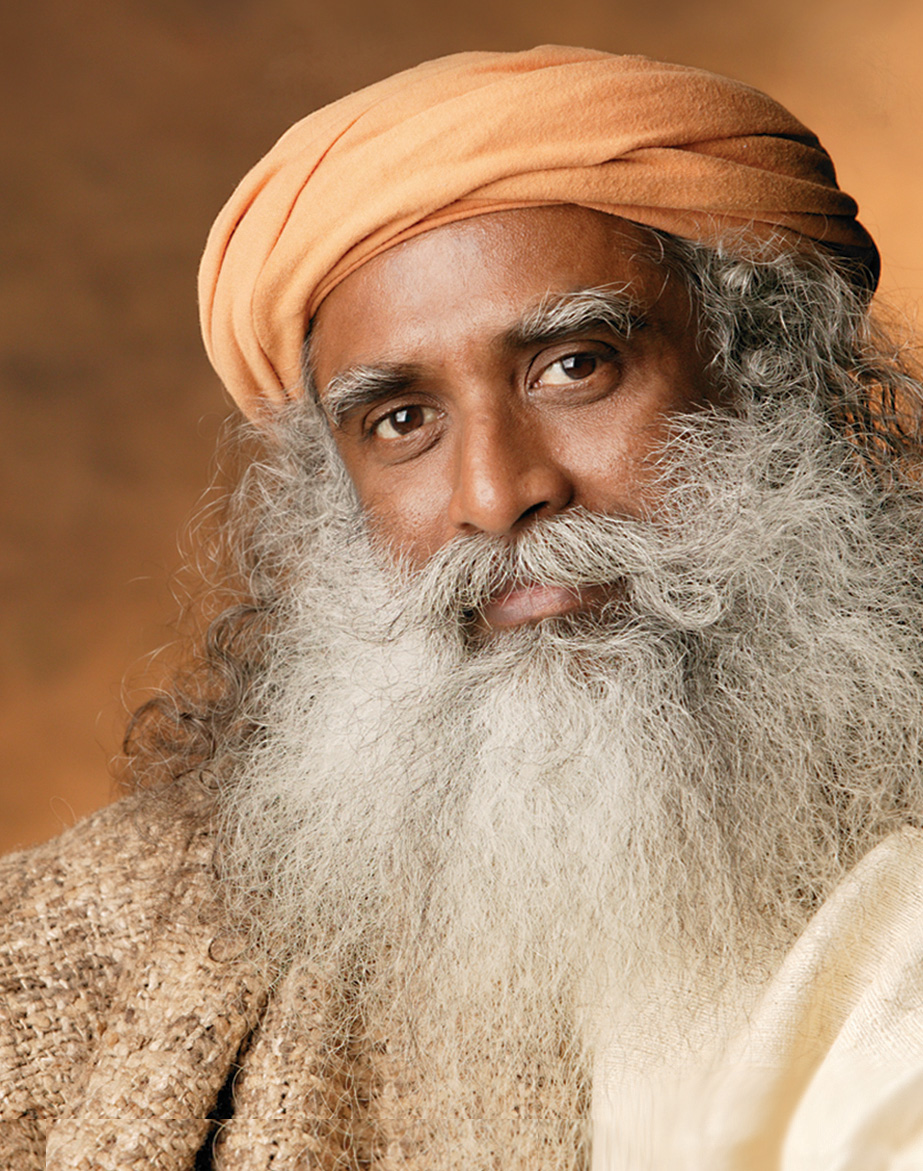
Anger and irritation at others typically arise from a fundamental unwillingness—a reflexive "no" to what is happening in the moment. Sadhguru argues that the path to emotional freedom isn't through better strategies for managing anger, but through a complete reorientation: becoming willing to life itself. When you shift from resistance to absolute acceptance ("yes") of reality as it unfolds, the conditions that generate anger and bothering dissolve naturally. This requires recognizing that your emotional reactivity is not caused by other people, but by your own internal stance toward existence.
Most people experience anger and irritation as something that happens to them—a response to what others do or say. Sadhguru suggests this diagnosis misses the root cause. Anger and being bothered by others is not, fundamentally, about their behavior. It is about your willingness or unwillingness in relation to what is happening. When someone says something you dislike, acts in a way you oppose, or simply exists in a manner that offends your expectations, you experience a moment of internal contraction. That contraction—the "no" you say to the situation—is what generates the emotional turbulence you call anger.
This distinction is crucial. If anger were truly caused by others, then the same behavior should anger everyone equally. But it doesn't. One person's comment might devastate one individual and roll off another. The difference is not in the comment; it is in the degree of willingness each person brings to the moment. The person who is not bothered has, consciously or unconsciously, already said yes to what is. The person who is bothered is still caught in saying no.
Willingness, in Sadhguru's framing, is not about liking or approving of everything around you. It is not about becoming passive or complacent. Rather, it is about your fundamental stance toward reality. A willing person says an absolute "yes" to life—not because every aspect of life is perfect or pleasant, but because they have recognized that their resistance to what is does not change what is. It only generates suffering within themselves.
Consider a simple example: you are stuck in traffic. The traffic is an objective fact. You can neither change it by being angry nor by being at peace. But in one case, you suffer. In the other, you do not. The external circumstance is identical. The difference is entirely your willingness to accept the situation as it is. This same principle applies to people. When someone acts in a way you find disagreeable, you cannot change their action retroactively through anger. You can only change your response to it. A willing person recognizes this and chooses not to be bothered. An unwilling person contracts in resistance and creates suffering.
Unwillingness is a fundamental "no" to life. It can take many forms. Sometimes it appears as judgment: "This person should not be this way." Sometimes as denial: "This is not happening." Sometimes as resentment: "Why did this happen to me?" In each case, the underlying refusal is the same—a refusal to accept reality as it currently is. And this refusal comes with a cost. The body tenses. The mind loops in complaint. Energy drains away. You become increasingly fragile and reactive to subsequent provocations.
Over time, chronic unwillingness can reshape your neurology and psychology. You develop what might be called a default posture of "no." Small annoyances trigger disproportionate responses. You find yourself bothered by things that should be trivial—the tone of someone's voice, the way they chew, their differing opinions. This escalating sensitivity is not because the world is becoming more offensive. It is because your willingness threshold has lowered. You are practicing the habit of resistance so consistently that you become a person who is easily bothered.
So how does one shift from unwillingness to willingness? Sadhguru suggests that willingness is not something you acquire through effort in the conventional sense. Rather, it is something you allow by ceasing the effort of resistance. This might sound paradoxical, but the logic is straightforward: you are already saying yes or no in every moment. Most people do this unconsciously. The work is to become conscious of your choice and deliberately choose yes.
This doesn't mean pretending to like what you dislike. It means separating your strategic choices about how to act from your fundamental acceptance of what is. You might decide that a person's behavior is problematic and needs to change. You might take action to address it. But underneath that action, you are not in a state of resistance; you are in a state of willingness. You have said yes to the fact that this situation exists, and from that clarity, you respond appropriately.
The shift is often immediate once it is understood. When you recognize that your anger serves no purpose—that it does not change the other person or the situation, and only damages your own system—you naturally begin to relax your resistance. It is not a moral choice or a spiritual aspiration. It is pragmatism. You are simply choosing not to waste your energy and health on a battle you cannot win.
Sadhguru frames willingness not as weakness but as a superpower. A willing person has access to all their faculties. They think more clearly because they are not clouded by emotional reactivity. They have more energy because they are not burning it in resistance. They are more effective in their actions because they can respond to situations rationally rather than react from irritation. They also experience life as fundamentally less hostile. When you stop saying no to what is, the world stops feeling like a problem to overcome.
This has profound implications for how you relate to others. Most interpersonal conflict stems from each person's unwillingness to accept the other as they are. Person A says no to Person B's way of being. Person B says no to Person A's response. Resentment builds. But if one person breaks the cycle by becoming willing—by accepting the other fully while still maintaining their own boundaries and choices—the dynamic shifts. There is less charge in the interaction. Communication becomes possible. Resolution becomes possible.
Being bothered by people, then, is a choice—but not a conscious one for most. It is a habitual, reflexive contraction that most people have been practicing since childhood. The good news is that it can be unlearned. By repeatedly choosing willingness over resistance, by saying yes to what is rather than no, you can retrain your fundamental orientation to life. This is not about becoming a doormat. It is about becoming someone who is no longer internally sabotaged by your own resistance.
If this teaching resonates, the next step is observation. Begin to notice, throughout your day, when you are saying no. Notice when you are bothered, irritated, or angry. Rather than acting on these feelings immediately, pause and ask: What am I resisting right now? What would it feel like to say yes to this situation exactly as it is, while still taking whatever action I deem necessary? This inquiry alone can begin to loosen the grip of habitual unwillingness. Over weeks and months, as you practice choosing willingness, you will notice that fewer things bother you. Your resilience increases. Your clarity sharpens. Your relationships improve. And most importantly, you will have genuinely taken charge of your emotional life—not through suppression or avoidance, but through a fundamental shift in your orientation to existence.


