SportsCampFinder

すべてのCampsを見る

Find the perfect camp for your athlete

camps

Basketball Camps
Soccer Camps
Baseball Camps
Football Camps
Volleyball Camps
Lacrosse Camps
Multi-Sport Camps
Elite Training
Overnight Camps
Day Camps
人気の目的地
BaliSedonaLos AngelesCosta RicaNew YorkSan FranciscoAustinMiamiJoshua TreeTulum
すべてのカテゴリを見るすべての目的地を見る

すべての機能を探索

イベントを成長させる強力なツール

プラットフォーム機能

スマートダイナミックプライシング
チケットカテゴリ
座席指定
カート放棄リカバリー
訪問者リカバリー
寄付とスライディングスケール
アフィリエイトシステム
チケットスキャナー
クーポンコード
カスタム質問
チケット共有
アップセルとアドオン
分析とレポート
メールシーケンス
ウェイトリスト / 通知 / リマインダー
人と場所
Camp OrganizersCamp FacilitiesKnowledge BaseInspiration
すべての機能を見る私たちについて
料金ブログ
Language
Saved events
すべてのイベントを見る

camps

Basketball CampsSoccer CampsBaseball CampsFootball CampsVolleyball CampsLacrosse CampsMulti-Sport CampsElite Training

人気の目的地

BaliSedonaLos AngelesCosta RicaNew YorkSan Francisco

人と場所

Camp OrganizersCamp FacilitiesKnowledge BaseInspiration

プラットフォーム機能

スマートダイナミックプライシングチケットカテゴリ座席指定カート放棄リカバリー訪問者リカバリー寄付とスライディングスケールアフィリエイトシステムチケットスキャナークーポンコードカスタム質問チケット共有アップセルとアドオン分析とレポートメールシーケンスウェイトリスト / 通知 / リマインダー
すべての機能を見る私たちについて
料金ブログ
ログインParents & athletesCamp directors
  • Browse all camps
  • Basketball Camps
  • Soccer Camps
  • Baseball Camps
  • Football Camps
  • Volleyball Camps
  • Lacrosse Camps
  • Multi-Sport Camps
  • Elite Training
  • All sports →
  • Orlando
  • Los Angeles
  • New York Metro
  • Dallas / Fort Worth
  • Chicago
  • Phoenix / Scottsdale
  • Atlanta
  • Denver
  • Seattle
  • Boston
  • Houston
  • Philadelphia
  • San Diego
  • Minneapolis / St. Paul
  • すべての都市 →
  • List your camp
  • Camp director dashboard
  • Pricing
  • Coaches & academies
  • Online registration & payments
  • Waivers & medical forms
  • Check-in app
  • Family messaging
  • Waitlist & notify
  • Camp marketing
  • Reports
  • All features →
  • About SportsCampFinder
  • Camp guides
  • Help Center
  • Contact
  • Careers
  • Press
  • 利用規約
  • プライバシーポリシー

Camps

  • Browse all camps
  • Basketball Camps
  • Soccer Camps
  • Baseball Camps
  • Football Camps
  • Volleyball Camps
  • Lacrosse Camps
  • Multi-Sport Camps
  • Elite Training
  • All sports →

目的地

  • Orlando
  • Los Angeles
  • New York Metro
  • Dallas / Fort Worth
  • Chicago
  • Phoenix / Scottsdale
  • Atlanta
  • Denver
  • Seattle
  • Boston
  • Houston
  • Philadelphia
  • San Diego
  • Minneapolis / St. Paul
  • すべての都市 →

組織向け Camp directors

  • List your camp
  • Camp director dashboard
  • Pricing
  • Coaches & academies

機能

  • Online registration & payments
  • Waivers & medical forms
  • Check-in app
  • Family messaging
  • Waitlist & notify
  • Camp marketing
  • Reports
  • All features →

会社

  • About SportsCampFinder
  • Camp guides
  • Help Center
  • Contact
  • Careers
  • Press
  • 利用規約
  • プライバシーポリシー
SportsCampFinder
© 2026 SportsCampFinder. 全著作権所有.
Inspiration

Hanging On: Finding Release in Letting Go

Todd Boston
Todd Boston
May 31, 2018
読了 約5分

This brief musical piece explores the tension between clinging to what feels secure and recognizing the freedom that comes from release. Rather than offering prescriptive advice, the work invites listeners to sit with the paradox of human attachment—the ways we grip situations, relationships, and self-concepts even when holding tighter only deepens our suffering.

読む · 6セクション

What Does It Mean to Hang On?

The title Hanging On carries dual resonance. On one level, it speaks to the common human experience of grasping—holding tight to circumstances, identities, and outcomes we fear losing. We hang on to relationships past their natural end. We hang on to images of ourselves that no longer reflect who we are becoming. We hang on to grief, resentment, and even pain because the alternative—release—feels like abandonment or betrayal.

At the same time, the phrase contains a subtle inversion. To "hang on" can also mean to persist, to endure, to find resilience in difficulty. This dual meaning mirrors a core tension in contemplative practice: learning to distinguish between the grip that suffocates and the presence that sustains.

The Physics of Attachment

In Buddhist psychology, attachment (or tanha) is understood not as connection itself but as the grasping quality of connection. We can love someone without hanging on; we can work toward a goal without strangling ourselves with outcome-fixation. The difference lies in the tightness of the grip.

When we hang on too tightly, we create friction. The knuckles whiten. The shoulders rise toward the ears. The breath shortens. Over time, this physical tension embeds itself in the nervous system, and what began as a response to external threat becomes a chronic state—a second skin we no longer notice we're wearing.

This piece invites a somatic awareness: What are you hanging on to right now? And what does that hanging on feel like in your body?

Why We Grip: The Roots of Clinging

The impulse to hang on emerges from legitimate sources. Insecurity, loss, impermanence—these are real features of existence, not perceptual errors we can think away. To let go feels like stepping off a cliff. The question is not whether the cliff is real, but whether our white-knuckled grip actually protects us from falling, or simply exhausts us in the attempt.

Often, we hang on hardest to the very things we most fear losing: relationships we believe define us, outcomes we believe will finally make us safe, versions of ourselves we've invested decades constructing. The irony is that tight gripping often accelerates the very loss we're trying to prevent. A relationship suffocated by neediness withers. A goal pursued with desperate intensity becomes a prison. A self guarded against change calcifies.

The Paradox of Release

Release is not indifference. It is not carelessness or resignation. Rather, release is the capacity to hold something—a person, a goal, a moment—with full presence and care while simultaneously remaining unattached to the outcome. This is the paradox that serious practitioners spend years understanding not just intellectually but in the bone.

When we release our grip without abandoning our intention, something shifts. The desperate energy that was tied up in hanging on becomes available for actual engagement. We listen more carefully to the person we love because we're no longer braced against their leaving. We work more effectively toward our goals because we're not paralyzed by the fear of failure. We inhabit ourselves more fully because we've stopped defending against change.

Music as Permission

A short instrumental piece like this one functions differently than a lecture or guide. Rather than telling you how to relate to attachment, it creates a container—a few minutes of focused attention—in which you might notice your own relationship to hanging on. The simplicity of the medium (a brief song, three and a half minutes) mirrors the simplicity of the core teaching: sometimes the deepest wisdom appears in compact form, not in elaborate explanation but in naked presence.

Music has the unique capacity to bypass the thinking mind and address the nervous system directly. Where words argue and convince, sound invites and allows. This piece seems designed not to convince you to let go, but to let you feel what happens when you're willing to ease your grip, even slightly, even temporarily.

Where to Go From Here

If this piece resonates, the next step is not to pursue some new practice of "letting go," but simply to notice. Where in your body do you feel yourself hanging on? To what, or whom, or which version of yourself are you gripping most tightly right now? What would it feel like to ease that grip by one percent—not to release entirely, but to soften just slightly?

You might also explore the complementary teaching: not all hanging on is pathological. Some persistence, some endurance, some refusal to abandon what matters—these too are part of a full life. The invitation is not to become loose or apathetic, but to become sensitive enough to know the difference between the grip that serves and the grip that harms.
Comments

Loading the conversation…

Todd Boston
ArtistTodd Boston

Todd Boston is a composer and fingerstyle guitarist who creates multilayered instrumental soundscapes by layering world instruments, wood flute, and live looping technology in real…

プロフィールを見るウェブサイト
トピックを見る
AttachmentLetting-goContemplative-musicImpermanenceRelease

ご質問はありますか?

よくある質問

Attachment involves a tight, grasping quality—holding on from fear of loss. Connection can exist without this clinging. You can love someone, work toward a goal, or care deeply while remaining unattached to the outcome, holding with presence rather than desperation.
We cling to the familiar, even when it hurts, because release feels like stepping into unknown territory. The very things we most fear losing—relationships, identities, outcomes—are often what we grip hardest, in an attempt to feel safe.
Release is not indifference. It means holding something with full presence and care while remaining unattached to the outcome. You can work toward your goals, love others, and care deeply while releasing the desperate energy tied up in needing a particular result.
Yes. Unlike lectures, music bypasses the thinking mind and speaks to the nervous system directly. A piece like this creates a container of focused attention where you can notice your own patterns of hanging on without being told what to do about them.
Tight gripping typically shows up as muscle tension—whitened knuckles, raised shoulders, shortened breath. Over time, this physical tension can become chronic and unconscious, embedding itself in how you habitually hold yourself.
No. There is a difference between healthy persistence (sustained effort without desperation) and pathological clinging (gripping from fear). The invitation is not to become loose or apathetic, but to develop sensitivity to know the difference.
Begin by noticing: Where in your body do you feel yourself hanging on? To what are you gripping most tightly? Rather than forcing release, simply soften your grip by one percent and observe what happens. Awareness itself is the first step.

読みつづける

More from Todd

すべて表示
Music That Asks Not to Be Hurried
Inspire

Music That Asks Not to Be Hurried

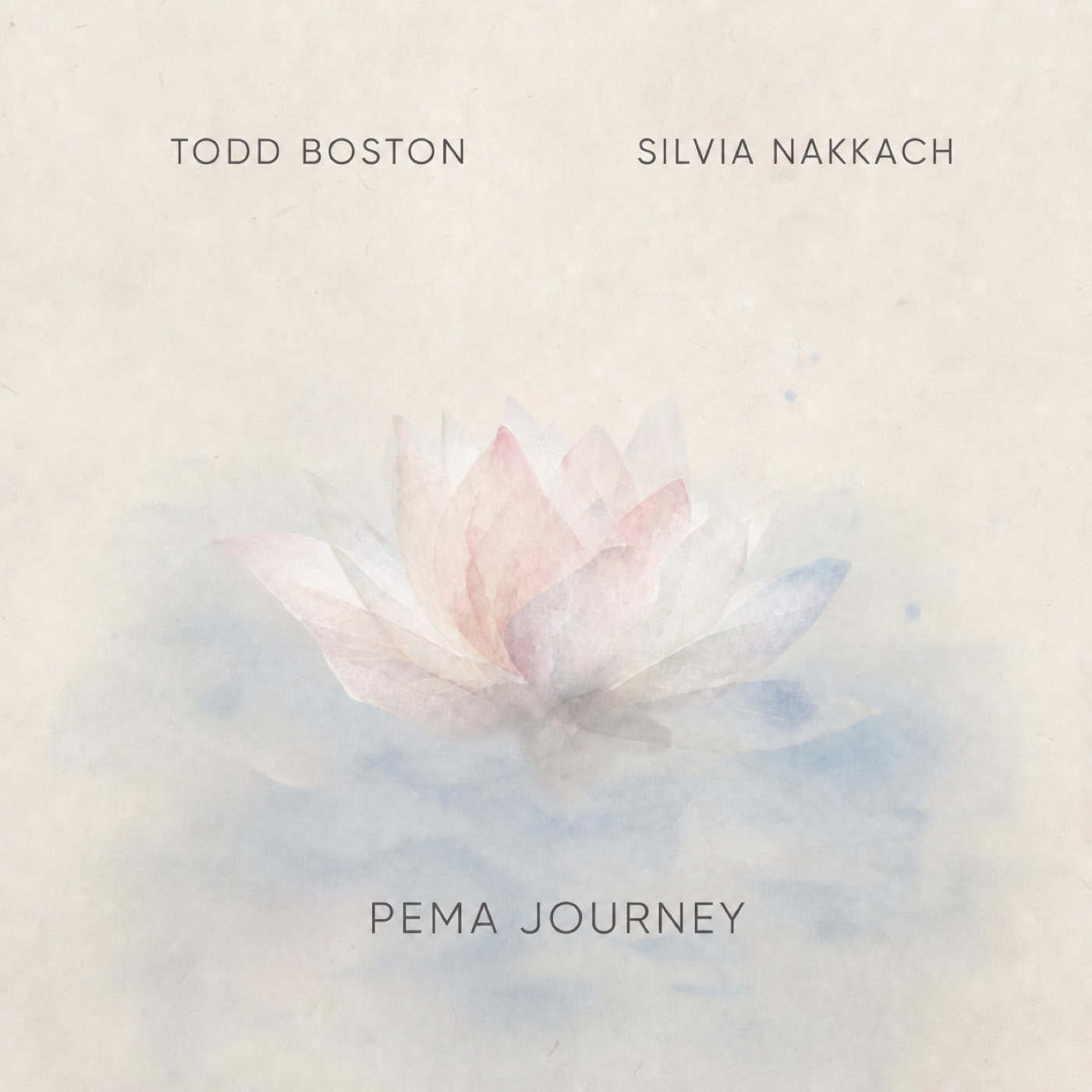
Todd Boston and Silvia Nakkach on Pema Journey: fingerstyle guitar, classical North Indian voice, raga-inspired melody, and a record built a…

1 min read
Acoustic Yoga Music: Creating Twilight Soundscapes
Inspire

Acoustic Yoga Music: Creating Twilight Soundscapes

Todd Boston's "Twilight" blends acoustic instrumentation with yoga practice, offering a contemplative musical foundation for movement and me…

1 min read
Embodied Metta: How a Smile Awakens Loving-Kindness
Inspire

Embodied Metta: How a Smile Awakens Loving-Kindness

Tara Brach's embodied metta meditation uses a smile to awaken loving-kindness throughout the body, creating a pathway to nervous system heal…

1 min read
Minimal Vocalization as Spiritual Practice: Power in Simplicity
Inspire

Minimal Vocalization as Spiritual Practice: Power in Simplicity

A brief live vocal interlude demonstrates how devotional sound—stripped to its essence—can invoke presence and transformation through pure r…

1 min read

探索を続ける

旅をつづける

BrightStarのディレクトリから、さらなる智慧と集いを。

もっと記事を読む

教え、インタビュー、ガイドのライブラリ全体をご覧ください。

すべての記事に戻る →

講師とアーティスト

コンシャスな世界の系譜、音楽家、導き手を探しましょう。

アーティストを探す →

イベントを見つける

キルタン、リトリート、サウンドバス、ブレスワーク、フェスティバル — まもなく開かれます。

イベントを見る →