SportsCampFinder

すべてのCampsを見る

Find the perfect camp for your athlete

camps

Basketball Camps
Soccer Camps
Baseball Camps
Football Camps
Volleyball Camps
Lacrosse Camps
Multi-Sport Camps
Elite Training
Overnight Camps
Day Camps
人気の目的地
BaliSedonaLos AngelesCosta RicaNew YorkSan FranciscoAustinMiamiJoshua TreeTulum
すべてのカテゴリを見るすべての目的地を見る

すべての機能を探索

イベントを成長させる強力なツール

プラットフォーム機能

スマートダイナミックプライシング
チケットカテゴリ
座席指定
カート放棄リカバリー
訪問者リカバリー
寄付とスライディングスケール
アフィリエイトシステム
チケットスキャナー
クーポンコード
カスタム質問
チケット共有
アップセルとアドオン
分析とレポート
メールシーケンス
ウェイトリスト / 通知 / リマインダー
人と場所
Camp OrganizersCamp FacilitiesKnowledge BaseInspiration
すべての機能を見る私たちについて
料金ブログ
Language
Saved events
すべてのイベントを見る

camps

Basketball CampsSoccer CampsBaseball CampsFootball CampsVolleyball CampsLacrosse CampsMulti-Sport CampsElite Training

人気の目的地

BaliSedonaLos AngelesCosta RicaNew YorkSan Francisco

人と場所

Camp OrganizersCamp FacilitiesKnowledge BaseInspiration

プラットフォーム機能

スマートダイナミックプライシングチケットカテゴリ座席指定カート放棄リカバリー訪問者リカバリー寄付とスライディングスケールアフィリエイトシステムチケットスキャナークーポンコードカスタム質問チケット共有アップセルとアドオン分析とレポートメールシーケンスウェイトリスト / 通知 / リマインダー
すべての機能を見る私たちについて
料金ブログ
ログインParents & athletesCamp directors
  • Browse all camps
  • Basketball Camps
  • Soccer Camps
  • Baseball Camps
  • Football Camps
  • Volleyball Camps
  • Lacrosse Camps
  • Multi-Sport Camps
  • Elite Training
  • All sports →
  • Orlando
  • Los Angeles
  • New York Metro
  • Dallas / Fort Worth
  • Chicago
  • Phoenix / Scottsdale
  • Atlanta
  • Denver
  • Seattle
  • Boston
  • Houston
  • Philadelphia
  • San Diego
  • Minneapolis / St. Paul
  • すべての都市 →
  • List your camp
  • Camp director dashboard
  • Pricing
  • Coaches & academies
  • Online registration & payments
  • Waivers & medical forms
  • Check-in app
  • Family messaging
  • Waitlist & notify
  • Camp marketing
  • Reports
  • All features →
  • About SportsCampFinder
  • Camp guides
  • Help Center
  • Contact
  • Careers
  • Press
  • 利用規約
  • プライバシーポリシー

Camps

  • Browse all camps
  • Basketball Camps
  • Soccer Camps
  • Baseball Camps
  • Football Camps
  • Volleyball Camps
  • Lacrosse Camps
  • Multi-Sport Camps
  • Elite Training
  • All sports →

目的地

  • Orlando
  • Los Angeles
  • New York Metro
  • Dallas / Fort Worth
  • Chicago
  • Phoenix / Scottsdale
  • Atlanta
  • Denver
  • Seattle
  • Boston
  • Houston
  • Philadelphia
  • San Diego
  • Minneapolis / St. Paul
  • すべての都市 →

組織向け Camp directors

  • List your camp
  • Camp director dashboard
  • Pricing
  • Coaches & academies

機能

  • Online registration & payments
  • Waivers & medical forms
  • Check-in app
  • Family messaging
  • Waitlist & notify
  • Camp marketing
  • Reports
  • All features →

会社

  • About SportsCampFinder
  • Camp guides
  • Help Center
  • Contact
  • Careers
  • Press
  • 利用規約
  • プライバシーポリシー
SportsCampFinder
© 2026 SportsCampFinder. 全著作権所有.
Inspiration

Guided Meditation: Access Inner Stillness and Calm

Tomek Wyczesany, Ph.D.
May 1, 2020
読了 約8分
視聴 · 7

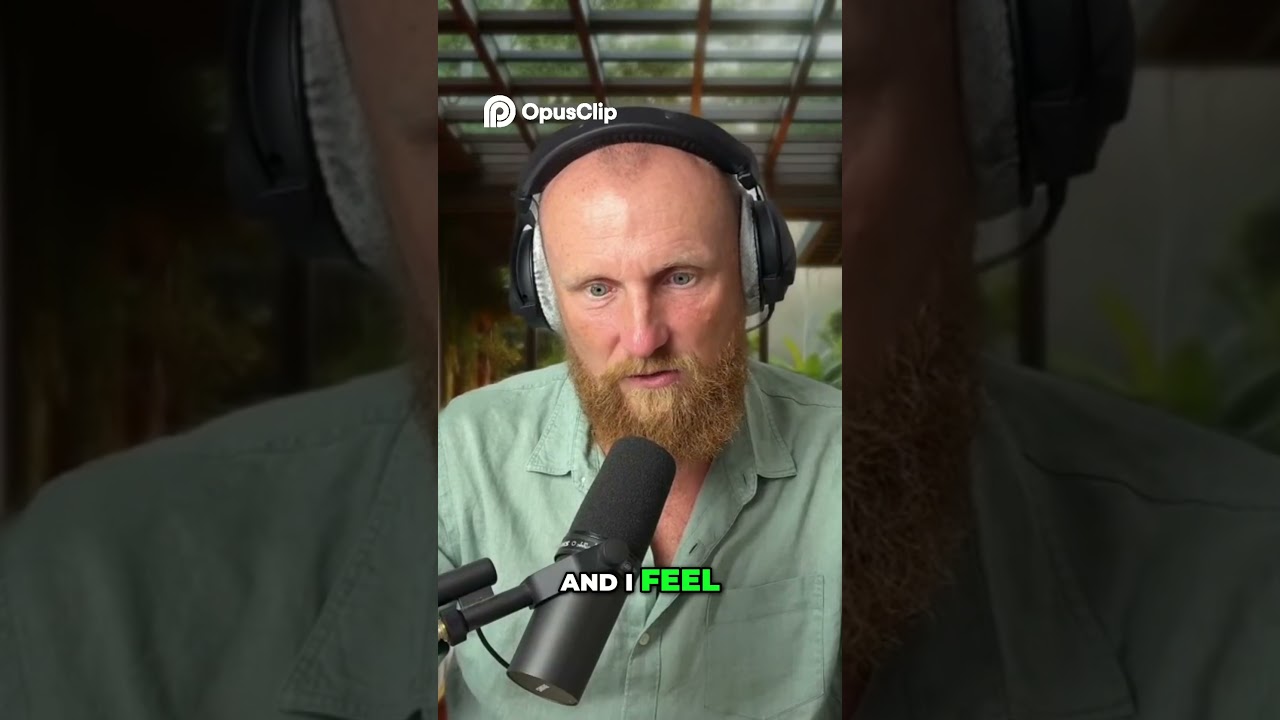
The meditation begins with a question that cuts through every spiritual teaching ever invented. Dr. Tomek Wyczesany, invoking Fred Rogers, asks: Why is it that the very same people who are down sometimes are the very same people who are happy sometimes? It's not rhetorical. It's diagnostic. We wake up one morning at peace and another morning in turmoil. Same body, same brain, same person. Something has shifted, but what?

Conventional wisdom offers two competing answers. One says circumstances determine our emotional state: happy situations create happiness, loss creates sadness, and therefore our emotional stability is hostage to external fortune. The other says emotions are optional—that at any given moment we have the choice to be happy, that mood is fundamentally a matter of will and perspective. Both contain seeds of truth, but both miss something essential that Wyczesany's meditation teaches through direct experience rather than philosophy.

He invites listeners to discover a third thing: a ground of being that sits beneath both circumstance and willpower. He calls it "the point of stillness in the center of your being," and he teaches that it "is always ready to be discovered." This isn't something you need to generate through positive affirmations or create through discipline. It already exists. The meditation is about noticing it—the way you might notice that a room has been lit all along; you simply turn your attention toward the light that was always there.

読む · 5セクション

Living in the Habitual State of Doing

Most of us live in what Wyczesany calls "the habitual state of doing." The nervous system stays activated, solving problems, processing sensory input, managing emotions, planning next moves, rehashing past ones. Muscles carry unfinished tension. The mind churns without cessation. We believe this is simply how humans operate—the necessary cost of consciousness and function in a complex world.

But it's not sustainable, and more importantly, it's not our baseline. The meditative state Wyczesany teaches isn't a special state you have to build from scratch through years of practice. It's the natural condition that emerges when you stop doing and begin to be. The shift is available immediately. He teaches that "the circumstances to journey within are always right," regardless of your current condition or experience level.

The practice begins with foundational simplicity. Sit upright but not rigidly. Let your hands rest in your lap. Plant your feet on the floor so you feel supported and grounded. "Allow your eyes to close," he guides, and the external world loses its dominance. Then come the deeper breaths—intentional but not forced. These aren't the hyperventilating breaths of panic or the strained breathing of someone pushing. They're conscious sighs that signal to the nervous system: we are safe, we can relax, nothing urgent needs our attention right now.

This is where the body begins to teach the mind something crucial. Wyczesany offers a teaching that reverses what many assume: "As you relax your mind, your body slowly follows." We often think the body is the problem—we carry tension there, we feel pain there—and assume we need to relax the body first. But he points to something subtler. The tension often lives in the nervous system, in the anticipation, in the resistance to what is. When the thinking mind settles, the body has permission to let go. And as the body releases, the mind settles further. It's a feedback loop with one direction: toward ease.

He acknowledges directly that "this may not be always easy." Some people are so habituated to activity that stillness feels threatening. Others notice pain that was masked by distraction. But he holds steady to the teaching: "You are in charge of your relaxation. It may take some time, but as your mind settles down your body settles as well, and most of the discomfort goes with it."

The Gateway to Inner Self

As this settling deepens, Wyczesany introduces what he calls "the gateway to your inner self": the experience of stillness itself. "You may already have glimpses of this stillness and how pleasant it feels," he says. That pleasantness is not accidental. The body recognizes what it's experiencing—deep ease, safety, a return to balance—and signals that recognition through subtle pleasure. This is where many people taste something they've been chasing through external means: genuine contentment that isn't dependent on circumstances aligning favorably.

But here's where the practice becomes psychologically and spiritually more nuanced. Wyczesany teaches that distractions will arise. Thoughts, sounds, bodily sensations—the external world and the internal noise will make claims on your attention. "This is absolutely normal," he assures. The response isn't to suppress or fight these distractions. Instead, you "simply recognize the source of distraction...and gently redirect your attention within towards the center of your body, towards the stillness."

This non-violent redirection is central to the entire teaching. It's not about willpower or discipline or winning a battle against the mind. It's about recognizing that your true interest lies elsewhere—in the stillness itself—and allowing your attention to follow that interest like a compass needle finding north. The more you practice, the more natural this redirection becomes.

When the Mind Tries to Make Sense of the Formless

As the meditation deepens and you spend extended time resting in pure stillness, something happens that Wyczesany specifically names: "When you are there, your mind may try to make sense out of this stillness and put form to the formless." This is a crucial and often-overlooked teaching, because it names the exact place where many meditators get caught or discouraged.

The thinking mind's job is to make sense of experience, to categorize it, to place it in frameworks we already understand. But stillness has no form. It's not an object. It's not a thought. It's not even a feeling in the way we usually use that word. When the mind encounters something that resists categorization, it often panics slightly. It tries harder to make sense of it, to grasp it, to solve it. This creates tension exactly at the moment when the instruction is to rest.

Wyczesany offers the remedy: "Instead, rest in the stillness of your being, away from the world of form and shape." He's not asking you to suppress the thought or win a battle against the mind. He's inviting you to simply not follow the impulse to solve. Understanding will come, but not through thinking. You're learning to trust a different mode of knowing—one that's available when the problem-solving mind steps back.

This is where the distinction between meditation and other forms of rest becomes profound. Sleep provides recovery, but the mind is largely offline. A warm bath feels good, but the thinking mind usually continues its commentary. In this meditation, you're maintaining alert consciousness while simultaneously stepping back from thinking. That combination—awake and aware, yet not engaged in the content of consciousness—is what Wyczesany means when he says this is "your gateway to the unmanifested, where your full potential lies." Potential exists in possibility, in the field before thought crystallizes into form and action.

The Return and Integration

The meditation doesn't end in formless rest. After extended time in stillness, Wyczesany begins a careful return sequence. "Imagine that all your senses are connecting with the external reality first," he guides. Hearing comes first—the sounds around you become part of your awareness again, but without pulling your attention entirely outward. Then touch: the contact of your feet on the floor, your hands in your lap. Then vision: recognizing lighter and darker spots through your closed eyes. Finally comes movement—gentle wiggling of toes, stretching of fingers, slow rotation of the neck.

This return isn't an afterthought or a mere technical closing. It's an integration. You're bringing the quality of stillness you've accessed back into the waking state. You're learning that the boundary between meditation and ordinary life isn't as firm as we usually assume. Stillness doesn't disappear when you open your eyes; it becomes available to draw on even in activity and engagement.

Wyczesany closes with an instruction that carries unexpected weight: "Give yourself a pat on the shoulder because you did great." And then: "Take a moment to feel grateful...the time you spend with yourself." This is teaching something essential that often gets passed over. Gratitude isn't flowery sentiment or motivational window-dressing. It's a recognition of your own agency and capacity. You accessed this. You found the stillness. This is yours. That recognition is what allows the practice to deepen over time, because it anchors the understanding that the resource isn't coming from outside you or from the teacher; it's your capacity to cultivate.

He emphasizes that "the more you practice this meditation the more you discover." Consistency matters more than duration. Even 15 or 20 minutes regularly builds momentum and revelation over time. The discoveries don't come all at once; they unfold through return, through repeated contact with what's always there.

Where to Go from Here

If this teaching resonates, Wyczesany's guided meditations are available on Insight Timer, a free meditation app where you can return to "Connecting with the Stillness Within" as many times as you need to. For those interested in deepening their engagement with his broader work, his Patreon offers exclusive content. His practice is grounded in research conducted through Synergy Lab Sydney, where contemplative practice meets rigorous scientific inquiry into how meditation actually rewires the nervous system and brain. The teaching itself is simple—stillness is always available—but the verification is experiential and intimate. You have to sit down and discover it yourself. That's where the real work begins, and that's where the real reward lies.
Comments

Loading the conversation…

Transcript

[0:00] [Music]

[0:06] hello and welcome my name is stomach and

[0:10] I'm delighted that you chose to meditate

[0:13] with me

[0:14] this meditation is about opening

[0:17] yourself the new possibilities and

[0:19] tapping into the great potential that

[0:22] lies within you you will learn how to

[0:26] change from the habitual state of doing

[0:29] to the new state of being and discover

[0:32] how positive emotions spontaneously

[0:36] arise when you are connected with your

[0:38] true self I wish you a pleasant practice

[0:44] the very same people who are down

[0:47] sometimes are the very same people who

[0:50] are happy sometimes sings mr. Fred

[0:55] Rogers why is that one they say that our

[1:02] happiness depends on the circumstances

[1:05] happy circumstances make us happy sad

[1:09] circumstances make us said someone else

[1:13] may say at any given moment you have an

[1:17] opportunity to be happy and this also

[1:20] may be true so how do you feel right now

[1:29] whatever is you answer I assure you this

[1:33] is a great place to start because the

[1:37] circumstances to journey within are

[1:40] always right

[1:42] the point of stillness in the center of

[1:45] your being is always ready to be

[1:48] discovered let us begin

[1:56] start by making yourself feel at ease

[2:07] assume position that will allow you to

[2:11] sit still at least a couple of minutes

[2:19] your back straight but not rigid in

[2:23] their way that you can breathe freely

[2:28] [Music]

[2:32] rest your hands in your lap

[2:40] plant your feet on the floor so you feel

[2:44] supported and grounded

[2:52] allow your eyes to close

[2:54] [Music]

[3:01] and now let us take a couple of deeper

[3:06] breaths this will allow us to release

[3:11] tension from the body

[3:19] breathe with me as I guide you in hold

[3:30] and out in hold and hell

[3:54] yeah

[4:00] hold and he'll relax and breathe

[4:11] normally

[4:13] as the breath enters your body so is the

[4:18] vitality that will help you to stay

[4:23] aware and stay attentive during this

[4:27] meditation notice if there is any

[4:34] remaining tension in your body any

[4:38] obvious pain or discomfort if you feel

[4:45] particularly stressed you may try to

[4:48] drop your shoulders away from your ears

[4:52] and intentionally release tension from

[4:58] your jaw

[4:58] [Music]

[5:08] as you relax in your mind your body

[5:13] slowly follows

[5:18] although this may not be always easy you

[5:24] are in charge of your relaxation

[5:33] it may take some time but as your mind

[5:37] settles down your body settles as well

[5:42] and most of the discomfort goes with it

[5:54] you may already have glimpses of this

[5:57] stillness and how pleasant it feels

[6:01] [Music]

[6:07] this is the gateway to your inner self

[6:17] by now you may noticed that your body

[6:22] and mind begin to be more relaxed more

[6:27] at ease

[6:30] [Music]

[6:37] you may find that there are thoughts or

[6:41] perhaps some external stimuli that will

[6:46] try to take you away from the stillness

[6:49] within and that's absolutely normal

[6:56] if this happens simply recognize the

[7:02] source of distraction

[7:03] a thought sound bodily sensation and

[7:14] gently redirect your attention within

[7:21] towards the center of your body towards

[7:26] the stillness

[7:34] make an intention to stay focus on the

[7:40] stillness within

[7:46] [Music]

[7:48] you

[7:50] this is your gateway to the unmanifested

[8:00] that's where your full potential lies

[8:03] [Music]

[8:07] see if you can rest there for a moment

[8:15] it may happen that your mind will wander

[8:19] away from that point of stillness and

[8:24] that's okay because I am here by your

[8:29] side to bring you back to help you

[8:35] recenter and refocus

[8:38] [Music]

[8:45] [Music]

[9:02] when you are there your mind may try to

[9:07] make sense out of this stillness and put

[9:12] form to the formless instead rest in the

[9:22] stillness of your being away from the

[9:27] world of form and shape

[9:40] [Music]

[9:49] this is their place where you can be

[9:52] truly yourself this is your true self

[10:18] [Music]

[10:31] stay here for a moment us I am holding

[10:36] the space for you connected by stillness

[10:58] [Music]

[11:19] [Music]

[11:28] [Music]

[11:41] [Music]

[12:00] [Music]

[12:06] [Music]

[12:38] [Music]

[12:57] [Music]

[13:13] [Music]

[13:29] [Music]

[13:36] you

[13:38] [Music]

[14:10] [Music]

[14:18] [Music]

[14:31] [Music]

[14:36] [Music]

[14:42] [Music]

[14:50] [Music]

[15:22] [Music]

[15:38] [Music]

[15:53] [Music]

[16:02] and now it's time to return

[16:12] imagine that all your senses are

[16:17] connecting with the external reality

[16:22] first the sense of hearing recognize the

[16:29] sounds around you

[16:31] [Music]

[16:40] then the sense of touch

[16:46] feel your feet resting on the floor your

[16:52] hands in your lap

[16:53] [Music]

[16:58] through your closed eyes recognize

[17:05] brighter and darker spots

[17:11] [Music]

[17:15] finally add some physical movement

[17:21] gently and slowly wiggle your toes

[17:30] you

[17:34] move and stretch your fingers

[17:41] slowly and gently tilt your head to the

[17:46] left

[17:48] feel their muscles and your neck flexing

[17:54] tilt your heads to the right

[18:00] again feel the muscles flexing on the

[18:04] other side of your neck bring your head

[18:11] back to the center and take one deep

[18:18] breath in through your nose and out

[18:26] through your mouth

[18:34] and when you ready open your eyes and

[18:40] welcome back

[18:47] how do you feel

[18:53] how was yourjourney within

[18:57] [Music]

[19:01] whatever you discovered it is yours take

[19:08] a moment to feel grateful the time you

[19:14] spend with yourself give yourself a pat

[19:18] on the shoulder because you did great

[19:23] the more you practice this meditation

[19:27] the more you discover I hope you enjoyed

[19:35] this experience

[19:38] thank you for meditating with me I wish

[19:43] you a wonderful day

Tomek Wyczesany, Ph.D.
ArtistTomek Wyczesany, Ph.D.

Tomek Wyczesany, Ph.D., is a meditation teacher on Australia's Sunshine Coast who blends science and contemplative traditions in guided meditations and one-on-one mentoring.

プロフィールを見るウェブサイト
トピックを見る
Guided-meditationStillnessConsciousnessBeing-not-doingInner-peace

ご質問はありますか?

よくある質問

Wyczesany teaches that as you relax your mind through breath and body awareness, your nervous system naturally settles into rest. Rather than forcing stillness, you create conditions for it: sit with a straight spine, breathe intentionally, and allow your thinking mind to slow. As mental activity decreases, the state of being emerges naturally.
The 'point of stillness' is a dimension of consciousness that exists at the center of your being, always present beneath the activity of thinking and feeling. You don't create it through meditation—you discover it, much like noticing that a room has been lit all along. Accessing this stillness reveals your true self and the reservoir of potential beneath daily circumstances.
According to Wyczesany, thoughts are completely normal and not a sign you're meditating wrong. When you notice your attention has drifted to a thought, sound, or sensation, simply recognize the source of distraction and gently redirect your awareness back to the center of your body and the stillness within. The redirection itself is the practice.
Wyczesany emphasizes that consistency matters more than duration: 'The more you practice this meditation the more you discover.' Regular return to stillness deepens your capacity to access it and accelerates the insights that unfold through practice. Even 15-20 minutes regularly builds momentum and discovery over time.
While relaxation and sleep provide physical recovery, this meditation keeps you awake and aware while resting in formless stillness. That distinction is crucial: you're maintaining alert consciousness while stepping back from thinking. This unique state—awake yet not engaged in mental content—is where Wyczesany says your 'full potential lies.'
Wyczesany closes by inviting gratitude for the time spent and recognition that you accessed stillness yourself. This isn't sentimental—it's an anchor that you have direct access to this state. That recognition is what allows the practice to deepen, because you understand that the resource isn't coming from outside you; it's yours to cultivate.
Yes. Wyczesany teaches that 'the circumstances to journey within are always right,' regardless of your experience level. He guides step-by-step through body positioning, breath, and gentle attention redirection. The practice doesn't require special ability—only willingness to sit still and notice what emerges.

読みつづける

More from Tomek

すべて表示
Jaw Clenching: The Body's Honest Stress Signal
Inspire

Jaw Clenching: The Body's Honest Stress Signal

Jaw clenching during meditation shows what you don't realize about your stress levels. The body's wisdom reveals gaps between perceived and …

1 min read
Mantra as a Mind-Tool: Finding Stillness in Daily Chatter
Inspire

Mantra as a Mind-Tool: Finding Stillness in Daily Chatter

Mantra isn't magic—it's a tool for the mind. Learn how to sync a simple word with breath to quiet chatter and return to stillness anytime yo…

1 min read
Why Life Keeps Testing You: Building on Rock, Not Sand
Inspire

Why Life Keeps Testing You: Building on Rock, Not Sand

Eckhart Tolle reads the house-on-rock parable to explain why life keeps challenging us. A rooted inner dimension, he says, keeps grief from …

1 min read
Govinda Jaya: How Sacred Sound Awakens the Heart
Inspire

Govinda Jaya: How Sacred Sound Awakens the Heart

Radhika Das channels the liberating power of mantra through a luminous kirtan performance at Medicine Festival, invoking divine names to pur…

1 min read

探索を続ける

旅をつづける

BrightStarのディレクトリから、さらなる智慧と集いを。

もっと記事を読む

教え、インタビュー、ガイドのライブラリ全体をご覧ください。

すべての記事に戻る →

講師とアーティスト

コンシャスな世界の系譜、音楽家、導き手を探しましょう。

アーティストを探す →

イベントを見つける

キルタン、リトリート、サウンドバス、ブレスワーク、フェスティバル — まもなく開かれます。

イベントを見る →