SportsCampFinder

すべてのCampsを見る

Find the perfect camp for your athlete

camps

Basketball Camps
Soccer Camps
Baseball Camps
Football Camps
Volleyball Camps
Lacrosse Camps
Multi-Sport Camps
Elite Training
Overnight Camps
Day Camps
人気の目的地
BaliSedonaLos AngelesCosta RicaNew YorkSan FranciscoAustinMiamiJoshua TreeTulum
すべてのカテゴリを見るすべての目的地を見る

すべての機能を探索

イベントを成長させる強力なツール

プラットフォーム機能

スマートダイナミックプライシング
チケットカテゴリ
座席指定
カート放棄リカバリー
訪問者リカバリー
寄付とスライディングスケール
アフィリエイトシステム
チケットスキャナー
クーポンコード
カスタム質問
チケット共有
アップセルとアドオン
分析とレポート
メールシーケンス
ウェイトリスト / 通知 / リマインダー
人と場所
Camp OrganizersCamp FacilitiesKnowledge BaseInspiration
すべての機能を見る私たちについて
料金ブログ
Language
Saved events
すべてのイベントを見る

camps

Basketball CampsSoccer CampsBaseball CampsFootball CampsVolleyball CampsLacrosse CampsMulti-Sport CampsElite Training

人気の目的地

BaliSedonaLos AngelesCosta RicaNew YorkSan Francisco

人と場所

Camp OrganizersCamp FacilitiesKnowledge BaseInspiration

プラットフォーム機能

スマートダイナミックプライシングチケットカテゴリ座席指定カート放棄リカバリー訪問者リカバリー寄付とスライディングスケールアフィリエイトシステムチケットスキャナークーポンコードカスタム質問チケット共有アップセルとアドオン分析とレポートメールシーケンスウェイトリスト / 通知 / リマインダー
すべての機能を見る私たちについて
料金ブログ
ログインParents & athletesCamp directors
  • Browse all camps
  • Basketball Camps
  • Soccer Camps
  • Baseball Camps
  • Football Camps
  • Volleyball Camps
  • Lacrosse Camps
  • Multi-Sport Camps
  • Elite Training
  • All sports →
  • Orlando
  • Los Angeles
  • New York Metro
  • Dallas / Fort Worth
  • Chicago
  • Phoenix / Scottsdale
  • Atlanta
  • Denver
  • Seattle
  • Boston
  • Houston
  • Philadelphia
  • San Diego
  • Minneapolis / St. Paul
  • すべての都市 →
  • List your camp
  • Camp director dashboard
  • Pricing
  • Coaches & academies
  • Online registration & payments
  • Waivers & medical forms
  • Check-in app
  • Family messaging
  • Waitlist & notify
  • Camp marketing
  • Reports
  • All features →
  • About SportsCampFinder
  • Camp guides
  • Help Center
  • Contact
  • Careers
  • Press
  • 利用規約
  • プライバシーポリシー

Camps

  • Browse all camps
  • Basketball Camps
  • Soccer Camps
  • Baseball Camps
  • Football Camps
  • Volleyball Camps
  • Lacrosse Camps
  • Multi-Sport Camps
  • Elite Training
  • All sports →

目的地

  • Orlando
  • Los Angeles
  • New York Metro
  • Dallas / Fort Worth
  • Chicago
  • Phoenix / Scottsdale
  • Atlanta
  • Denver
  • Seattle
  • Boston
  • Houston
  • Philadelphia
  • San Diego
  • Minneapolis / St. Paul
  • すべての都市 →

組織向け Camp directors

  • List your camp
  • Camp director dashboard
  • Pricing
  • Coaches & academies

機能

  • Online registration & payments
  • Waivers & medical forms
  • Check-in app
  • Family messaging
  • Waitlist & notify
  • Camp marketing
  • Reports
  • All features →

会社

  • About SportsCampFinder
  • Camp guides
  • Help Center
  • Contact
  • Careers
  • Press
  • 利用規約
  • プライバシーポリシー
SportsCampFinder
© 2026 SportsCampFinder. 全著作権所有.
Inspiration

Finding Inner Calm in Hot Weather and Daily Life

Jai Dev Singh
Jai Dev Singh
Sep 18, 2015
読了 約4分
視聴 · 3

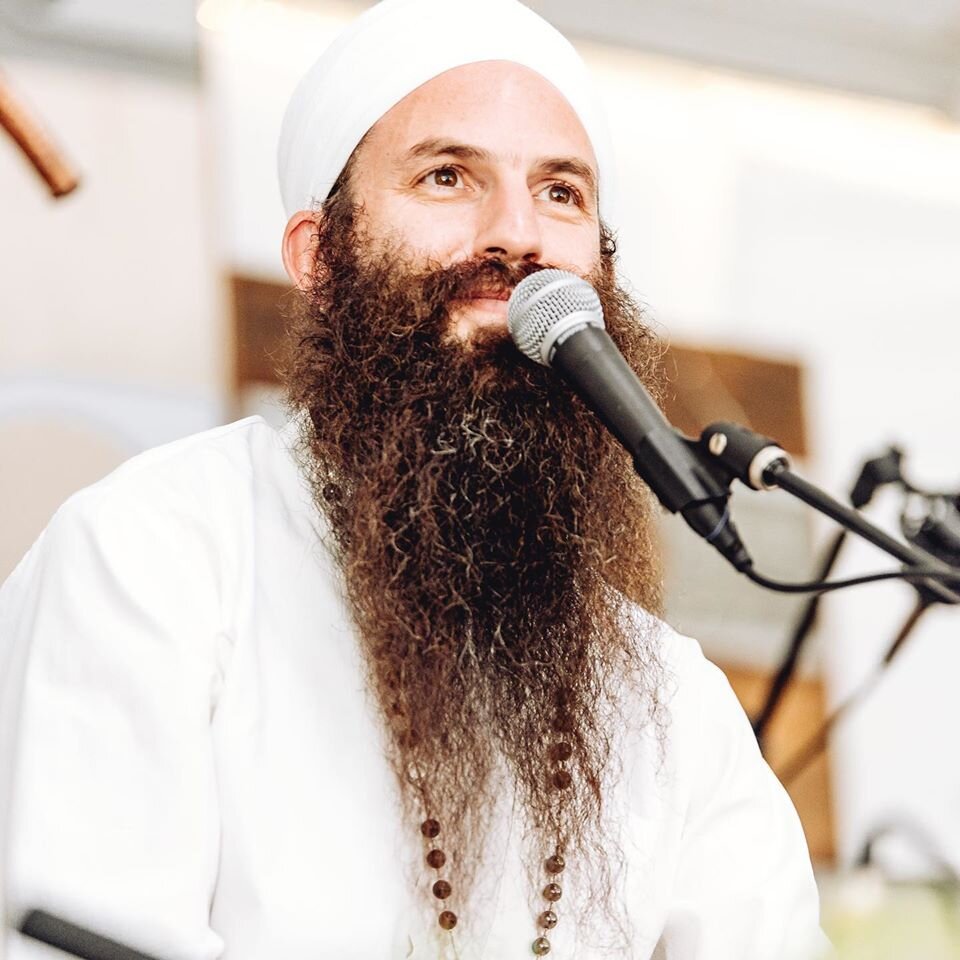
In this brief reflection, Jai Dev Singh uses the simple scenario of dealing with hot weather to illustrate a deeper principle: how to access inner calm and centeredness even when external circumstances feel intense or uncomfortable. The talk explores the contrast between being overwhelmed by conditions and maintaining an undisturbed internal state—what Singh calls "chilling," a state of ease and presence that doesn't depend on perfect external circumstances.

読む · 6セクション

What Does It Mean to Have an "Inner Chill"?

Singh opens by acknowledging a common human experience: the discomfort of heat. Someone remarks, "Oh my gosh, it is just so hot," a relatable complaint [2s]. But rather than commiserate about external conditions, Singh pivots to a practical spiritual question: "What are you up to?" The response—"Just chilling"—becomes the teaching point. To "chill" in this context is not merely to cool down physically, but to cultivate an internal state of ease, presence, and non-reactivity regardless of external temperature. This inner calm is available even when you're physically in an uncomfortable environment.

How Does External Discomfort Reflect Inner States?

The exchange in the video mirrors a common pattern in spiritual practice: we tend to blame our discomfort on outside circumstances rather than examine our relationship to those circumstances. When someone says "it's so hot," they are naming a real physical fact. But Singh's gentle redirection—asking what someone is "up to" and receiving the answer "just chilling"—suggests that two people can experience the same external heat differently based on their internal orientation. One person is absorbed in complaint about the weather; another is present to the moment, enjoying the view and the experience itself. The difference lies not in the temperature but in attention and acceptance.

What Is the Connection Between Weather and Spiritual Practice?

In contemplative traditions, extremes of temperature—heat, cold, rain—are often used as teaching tools or practice catalysts. Heat, in particular, can symbolize intensity, pressure, or challenge. Singh's approach suggests that spiritual development includes learning to metabolize these external pressures without losing inner equilibrium. The ability to be "chilling"—fully present, at ease—while the external world is hot represents a fundamental non-dependence on conditions for peace. This is not about denying discomfort, but about not allowing discomfort to colonize your entire being. You can acknowledge heat while remaining internally centered.

How Can You Practice Staying Centered in Discomfort?

The implicit teaching here involves a shift in attention. Rather than fixating on what is uncomfortable, Singh's interlocutor demonstrates a redirection of focus: instead of "it's hot," the response is "I'm enjoying the weather, the view." This represents a conscious choice to broaden perception beyond the complaint. Spiritual practices like mindfulness, breath work, and body awareness all cultivate this capacity to notice what is pleasant or neutral alongside what is uncomfortable, preventing any single sensation or complaint from consuming awareness. The practice is not suppression—it's not pretending the heat doesn't exist—but rather a more spacious, inclusive awareness that takes in more of reality than just the discomfort.

What Does "Chilling" Mean in the Art of Living Tradition?

The Art of Living, the tradition from which Jai Dev Singh speaks, emphasizes practical meditation, breath work (pranayama), and a philosophy that sees the mind and body as interconnected systems. To "chill" in this context aligns with the tradition's emphasis on being fully present and at ease. It's related to the concept of "rest and digest," the parasympathetic state in which the nervous system is calm, digestion is optimal, and the mind is clear. Rather than being in a state of agitation or reactivity to external heat, "chilling" describes the nervous system in a balanced, relaxed, receptive state. This state is cultivable through practice; it is not dependent on having perfect conditions.

Where to go from here

If this resonates with you, consider experimenting with your own relationship to discomfort. The next time you experience something uncomfortable—physical heat, stress, an irritating person—pause and ask yourself: "What else is present in this moment?" Can you notice the view, the breath, a sense of presence, even while the discomfort is there? Can you be "chilling" while things around you are hot? Over time, this practice of expanding awareness beyond complaint and reactivity becomes a core capacity. For deeper exploration, seek out the full teachings of the Art of Living tradition, which offers structured practices like the Sudarshan Kriya (a specific breath work) designed specifically to settle the nervous system and cultivate inner peace that is not dependent on external circumstances.

Comments

Loading the conversation…

Transcript

[0:00] oh my

[0:02] gosh it is just so hot oh what are you

[0:08] up to oh just

[0:10] chilling what enjoying the weather the

[0:13] view what do you got going

[0:15] [Music]

[0:29] on

[0:32] n

Jai Dev Singh
ArtistJai Dev Singh

Kundalini Yoga and mantra teacher rooted in Yogi Bhajan's lineage, offering transformative spiritual practices through dynamic classes, mantra recordings, and global workshops.

プロフィールを見るウェブサイト
トピックを見る
Inner-peacePresenceMindfulnessNervous-systemBreath-work

ご質問はありますか?

よくある質問

Rather than focusing entirely on the discomfort, expand your awareness to include other aspects of the moment—the breath, the body as a whole, what you can see or hear. This doesn't deny the discomfort but prevents it from collapsing your entire awareness. Regular breath work and mindfulness practice strengthen this capacity.
Inner chill refers to a state of internal ease and non-reactivity that exists independently of external conditions. It's a nervous system that remains calm and present even when external circumstances are intense, demanding, or uncomfortable.
Yes. Peace and discomfort can coexist. Spiritual practice teaches that our peace does not have to be dependent on perfect external conditions; instead, we can cultivate a baseline of presence and ease that persists even when sensations or circumstances are challenging.
The Art of Living emphasizes practical tools like breath work (pranayama), meditation, and conscious awareness to calm the nervous system and access a state of ease. These practices help the mind and body move into a parasympathetic (rest and digest) state rather than remaining in reactive agitation.
Attention shapes experience. If you focus only on what is uncomfortable, discomfort dominates your awareness. By consciously broadening your attention to include pleasant or neutral elements of the moment—the view, the breath, sensations of ease—you create a more complete and balanced experience.

読みつづける

More from Jai

すべて表示
Lime Ginger Tea Recipe: Reduce Inflammation & Water Retention
Inspire

Lime Ginger Tea Recipe: Reduce Inflammation & Water Retention

A three-ingredient Ayurvedic tea that kindles digestion, calms inflammation, and grounds the body. Learn how to brew it and why each ingredi…

1 min read
Solar Plexus Chakra Sound Bath: Restore Inner Confidence
Inspire

Solar Plexus Chakra Sound Bath: Restore Inner Confidence

A sound bath for the solar plexus chakra helps you reconnect with personal power, confidence, and decision-making ability. Learn how Manipur…

1 min read
Why Life Keeps Testing You: Building on Rock, Not Sand
Inspire

Why Life Keeps Testing You: Building on Rock, Not Sand

Eckhart Tolle reads the house-on-rock parable to explain why life keeps challenging us. A rooted inner dimension, he says, keeps grief from …

1 min read
Govinda Jaya: How Sacred Sound Awakens the Heart
Inspire

Govinda Jaya: How Sacred Sound Awakens the Heart

Radhika Das channels the liberating power of mantra through a luminous kirtan performance at Medicine Festival, invoking divine names to pur…

1 min read

探索を続ける

旅をつづける

BrightStarのディレクトリから、さらなる智慧と集いを。

もっと記事を読む

教え、インタビュー、ガイドのライブラリ全体をご覧ください。

すべての記事に戻る →

講師とアーティスト

コンシャスな世界の系譜、音楽家、導き手を探しましょう。

アーティストを探す →

イベントを見つける

キルタン、リトリート、サウンドバス、ブレスワーク、フェスティバル — まもなく開かれます。

イベントを見る →