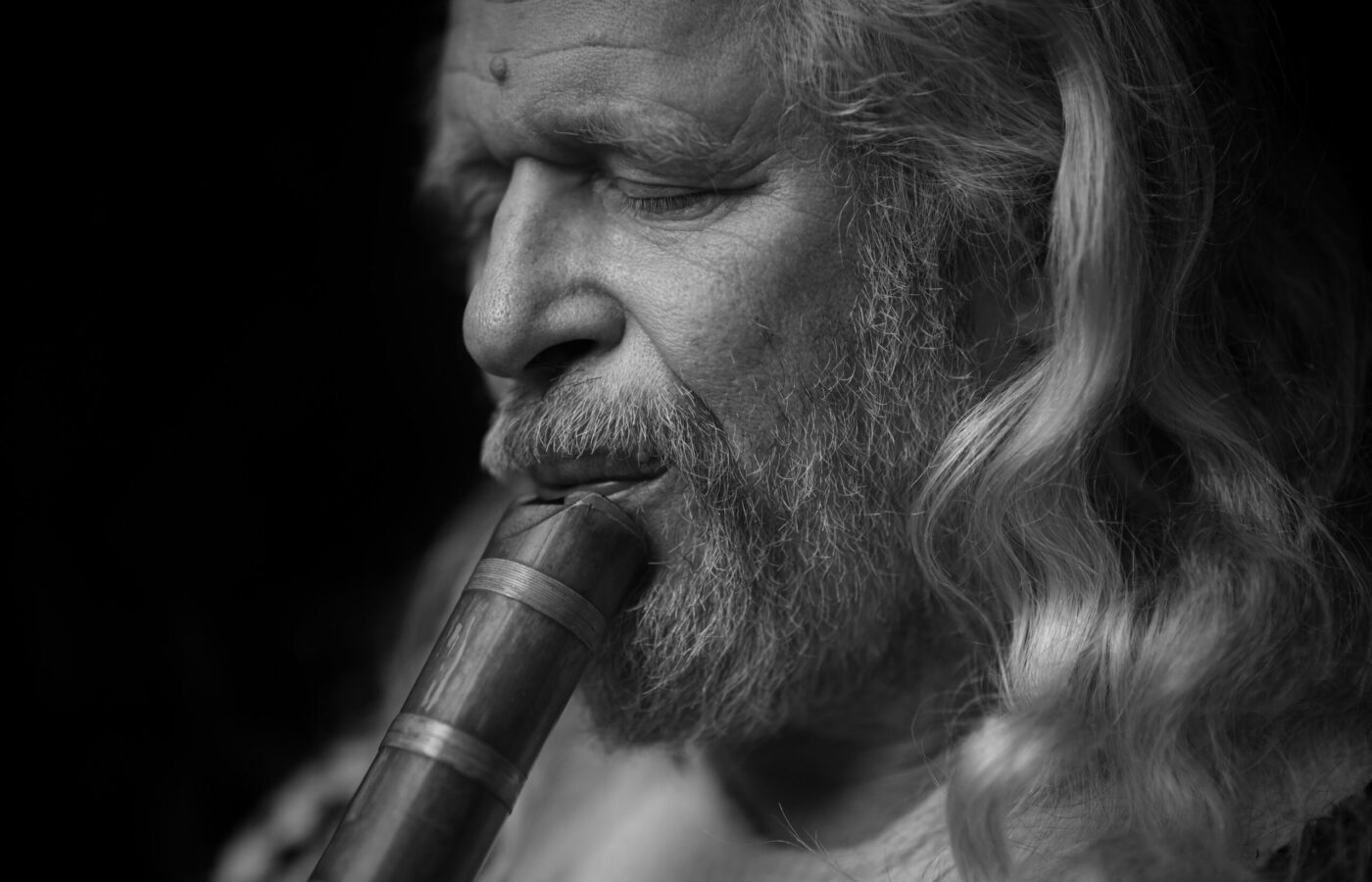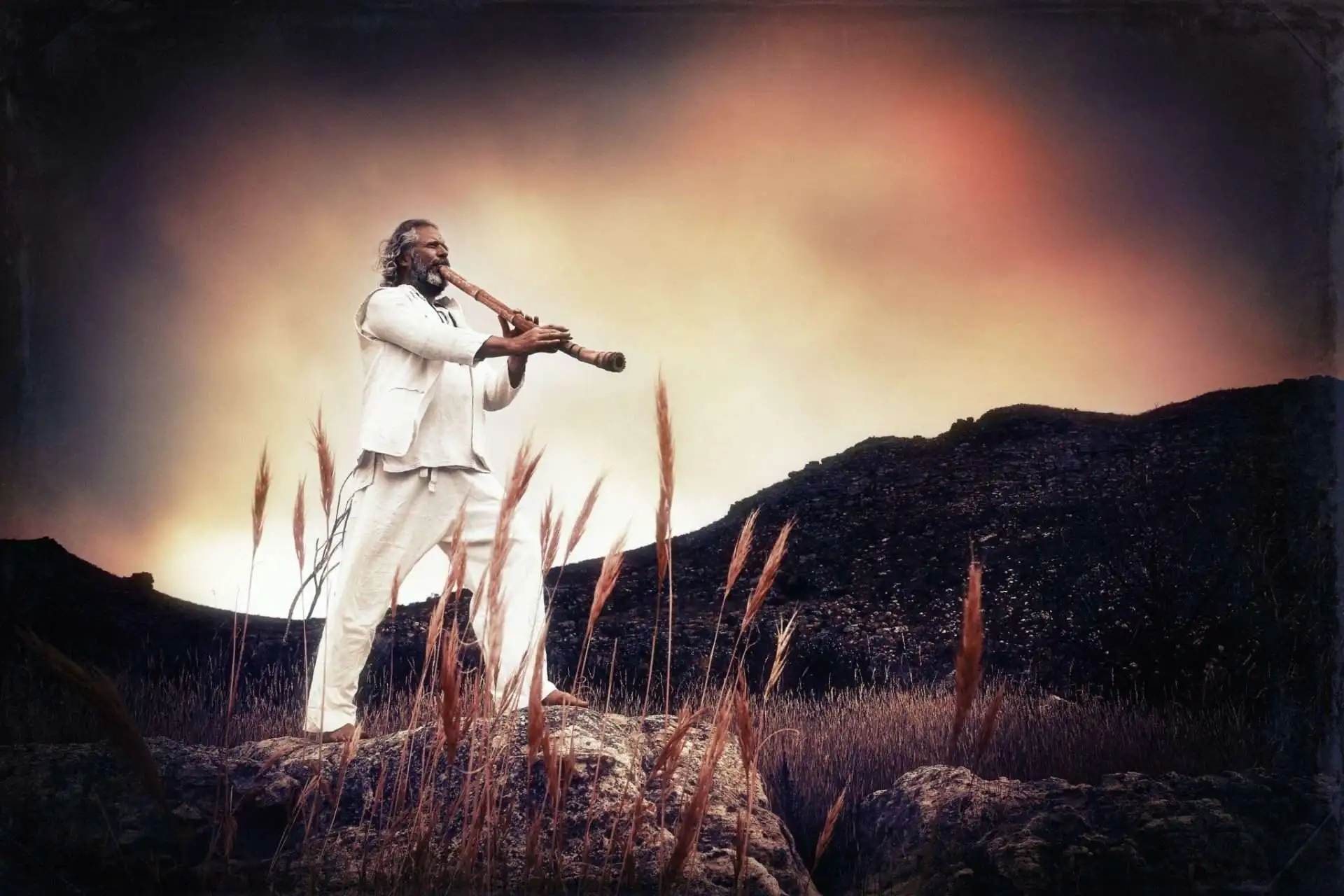

Begin with a Live Shakuhachi Session
Your entry point isn't an album—it's finding one of Freedman's live shakuhachi performances or teaching sessions, ideally one where he demonstrates honkyoku pieces. These meditative works, historically played by wandering Zen monks, reveal immediately what makes his approach distinctive: the shakuhachi as breathing practice rather than performance, silence as compositional material, each note arising from complete attention to a single breath.
If you can access recordings of his teaching on the intersection of shakuhachi and meditation, start there. Freedman's explanation of why the Fuke monks used this bamboo flute as their primary spiritual practice—not as accompaniment to meditation but as meditation itself—reframes everything you'll hear afterward. You'll understand that what sounds like "slow" or "minimal" music is actually the audible trace of a highly specific contemplative discipline.
After That First Encounter
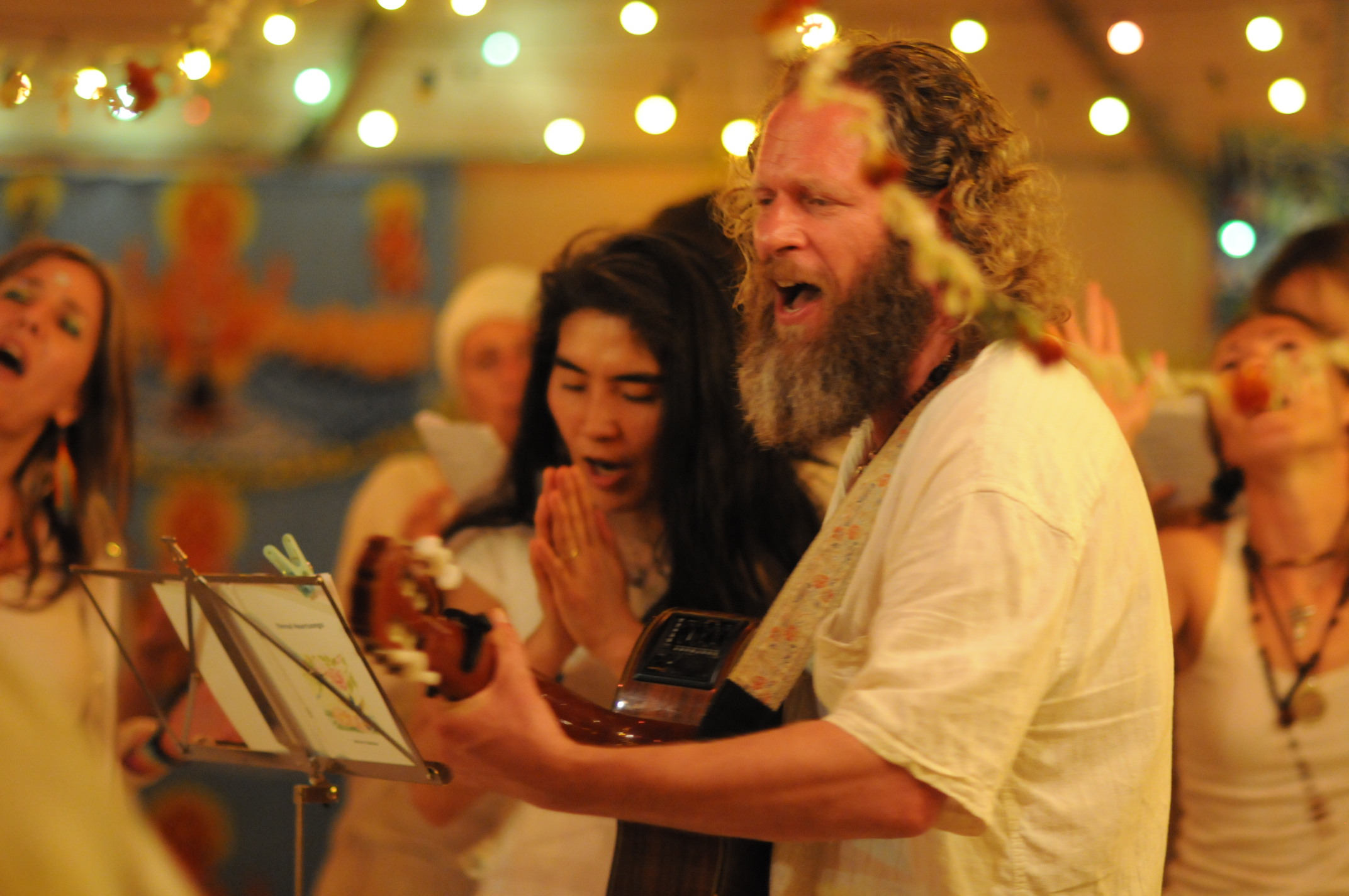
Next, explore his medicine mantra songs. These compositions synthesize the shakuhachi tradition with ceremonial and devotional music from plant medicine contexts. Here you'll hear how Freedman translates Buddhist and shamanic practices into sound, creating pieces designed for specific states of consciousness. The melodic structures draw from honkyoku's breath-centered phrasing while incorporating repetitive, trance-inducing elements foreign to traditional Japanese repertoire.
Then investigate his teaching materials on what he calls "Zen Heart Medicine Music." These explain his compositional philosophy: how microtonal inflections in shakuhachi music mirror the subtlety required in meditation practice, why he considers the instrument a "spiritual technology," and how he understands the relationship between sound, breath, and altered states. This context transforms passive listening into practice.
What to Expect
First encounters with Freedman's work often feel austere. A single shakuhachi note can sustain for ten or fifteen seconds, emerging from and dissolving back into silence. The palette is limited: one bamboo flute, unaccompanied, exploring minute gradations of pitch, timbre, and breath. If you're accustomed to Western composition's harmonic motion or even to ambient music's textural density, this will sound radically sparse.
That sparseness is the point. Freedman learned from Yokoyama Katsuya that honkyoku demands "becoming one with the sound"—a phrase that sounds mystical but describes a concrete practice of coordinating breath, attention, and tone production so completely that performer and instrument dissolve into process.
Common Misunderstandings
Beginners often treat Freedman's work as "relaxation music" or background atmosphere. This misses entirely what he's doing. The pieces are participatory technologies. They're structured to entrain your breathing, quiet discursive thought, and induce meditative states—but only if you listen actively, following each phrase with full attention.
Another mistake: assuming the "medicine music" is metaphorical. Freedman composes specifically for plant medicine ceremonies, creating sonic environments calibrated to particular stages of psychedelic experience. The mantra songs aren't about altered states; they're functional tools within them.
When This Work Lands Hardest
Freedman's practice tends to resonate during threshold periods: when you're questioning achievement-oriented approaches to creativity, recovering from burnout, or seeking practices that integrate artistic and contemplative disciplines. It hits differently if you're exploring meditation seriously rather than casually, or if you've experienced how sound can restructure consciousness in ceremonial contexts.
It also reaches people disillusioned with "world music" consumption—those who sense that playing a shakuhachi without understanding its monastic origins is like using a rosary as jewelry.
A One-Week Starter Plan
Days 1-2: Listen to one honkyoku piece daily. Don't multitask. Notice your breathing synchronizing with the phrases.
Days 3-4: Read or watch Freedman's teachings on shakuhachi as meditation practice. Then re-listen to the same honkyoku. Notice what you missed.
Days 5-6: Explore two medicine mantra songs. Pay attention to how repetition functions differently than in Western music.
Day 7: Sit in silence for twenty minutes, then listen to a honkyoku piece. Notice how the silence prepares you to hear what's actually happening in the music.