Your First Visit to Le Moulin de Chaves: What to Expect
Your First Visit to Le Moulin de Chaves: What to Expect
Getting There and Settling In
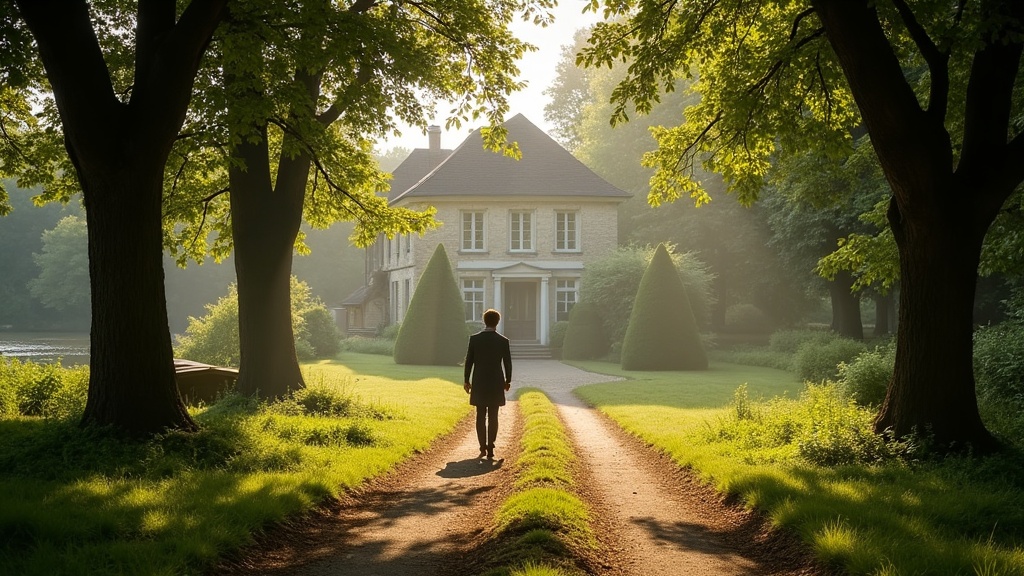
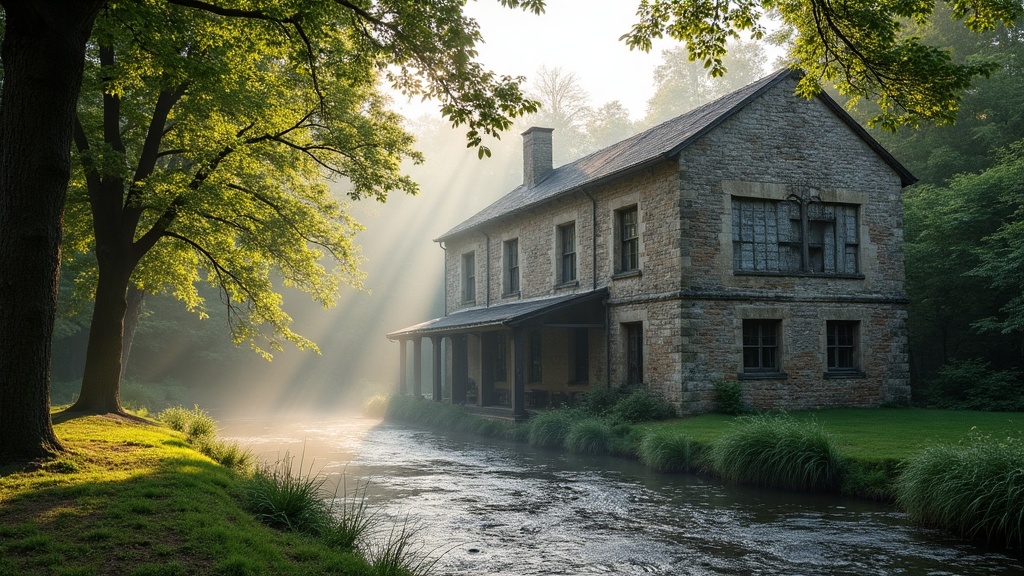
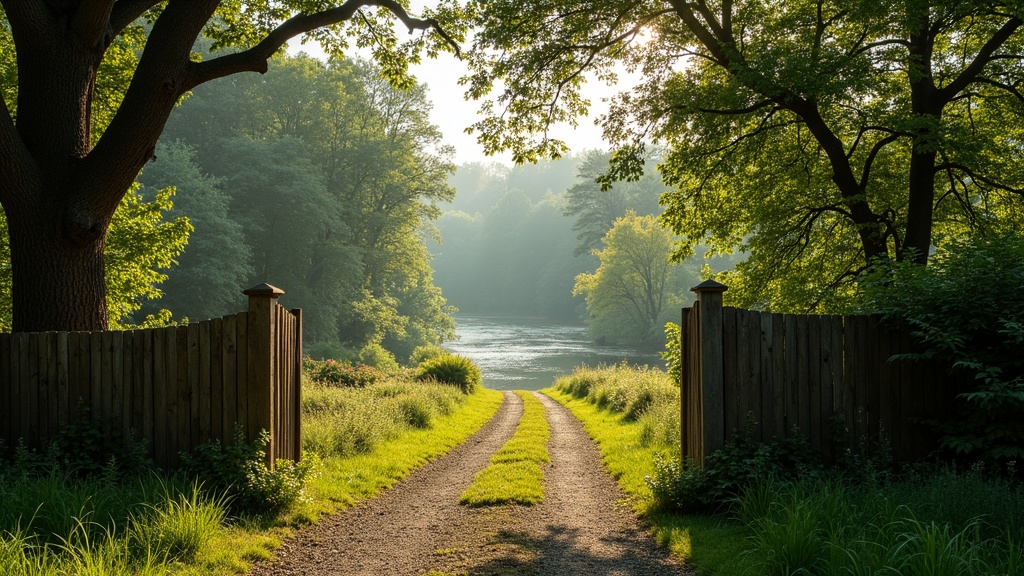
Le Moulin de Chaves sits in the rolling countryside of Pomport, in France's Dordogne region—a landscape of sunflower fields, stone farmhouses, and narrow roads that wind through villages unchanged for centuries. When you arrive, you'll likely feel the immediate shift from travel mode to retreat space. The center has operated since 1999 in what was once a working mill, and there's a groundedness to the place that announces itself quietly.
Check-in is usually in the late afternoon, giving you time to arrive without rush. You'll be welcomed by a staff member or resident who will show you to your room, orient you to the physical space, and explain the basic rhythm of the days ahead. This is the moment to ask practical questions—where things are, how meal service works, whether there's a spot to store valuables. The staff here are used to first-timers and understand the slight disorientation that comes with stepping into silence.
The Rhythm of Days
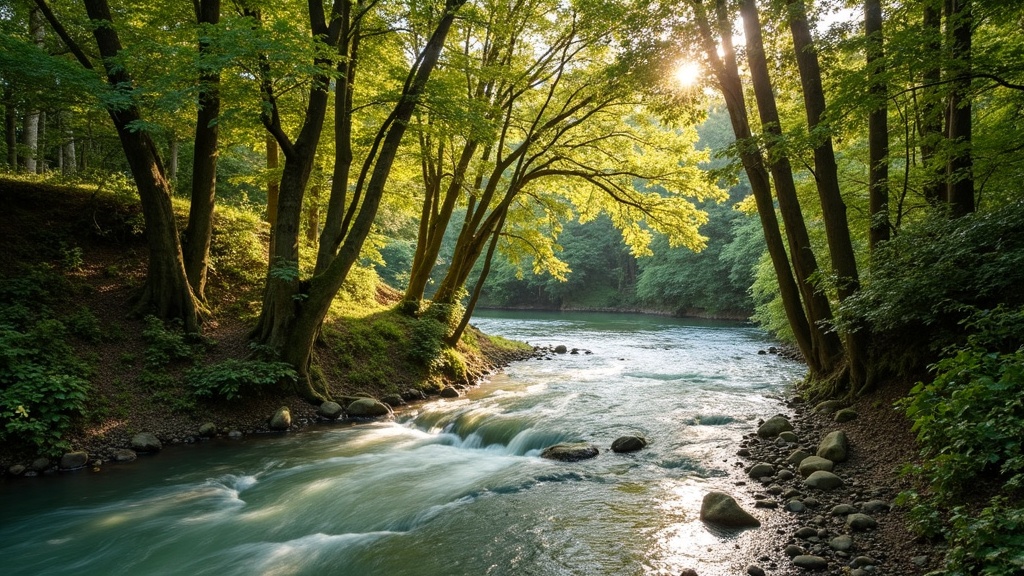
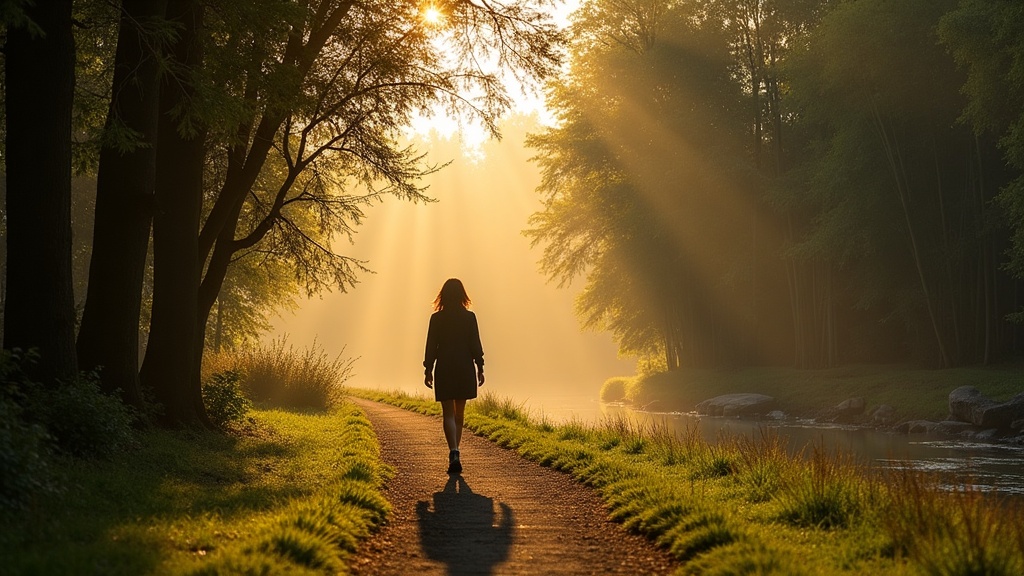
The schedule follows the contours of traditional Vipassana practice, which means early mornings and a structure that alternates between sitting meditation, walking meditation, meals, and rest. You'll typically wake to a bell around 6 or 6:30 a.m., with the first meditation session beginning shortly after. Mornings are devoted to practice—usually two or three sitting periods with breaks for walking meditation in the gardens or along the paths near the river.
Breakfast comes mid-morning, followed by a work period where everyone contributes to the maintenance of the center—cleaning, gardening, kitchen help. This isn't busywork; it's considered part of the practice, a way to bring mindfulness into activity. Lunch is the main meal of the day, served around noon or early afternoon.
Afternoons often include free time—a window for rest, walking, or simply sitting in the gardens. Many first-timers find this unstructured time surprisingly challenging. Without devices or conversation, you're left with yourself in a way that modern life rarely permits. Some people nap. Others walk the grounds. The river becomes a frequent companion.
Evening meditation sessions bookend the day, often followed by a dharma talk or teaching from the retreat leader. Lights are generally out by 9:30 or 10 p.m., and the silence of the Dordogne night is profound.
Your Room and Shared Spaces
Accommodations are simple but comfortable—private or shared rooms depending on availability and what you've booked. Don't expect luxury, but do expect cleanliness and quiet. Rooms typically include a bed, a chair, perhaps a small desk, and minimal decoration. Some have views of the gardens or the surrounding countryside. There's a monastic quality to the simplicity that serves the practice; these are spaces designed for sleep and solitude, not lingering.
Bathrooms may be shared depending on your room assignment, and there's usually a schedule posted to help coordinate morning routines during silent periods. The meditation hall is the heart of the center—a dedicated space with cushions, benches, and chairs arranged to accommodate different sitting preferences. Many people bring their own meditation cushion, but the center provides what you need.
The Food
Meals at Le Moulin de Chaves are vegetarian, often featuring produce from the garden and local sources. The food is simple, nourishing, and served in noble silence—meaning you eat without conversation, paying attention to the act of eating itself. This is harder than it sounds and more revealing than you might expect.
Expect hearty soups, fresh bread, salads, grain dishes, and fruit. The cooking isn't fancy, but it's thoughtful and sufficient. Coffee and tea are usually available throughout the day. If you have serious dietary restrictions, communicate them well in advance. The kitchen can accommodate many needs, but last-minute requests are difficult in a small operation.
What to Pack (and What to Leave Behind)
Bring comfortable, loose-fitting clothing in layers—the meditation hall can be cool in the mornings, warm in the afternoons. You'll want walking shoes for the grounds and something slip-on for indoor spaces. A water bottle, any medications, toiletries, and perhaps a journal are essentials.
Many people bring a shawl or blanket for meditation. If you have a meditation cushion you love, bring it. A small flashlight is useful for navigating between buildings at night.
What not to bring is equally important: leave books, work materials, and especially your phone behind—or at least plan to store it away for the duration. Most retreats here operate on digital silence, and the presence of screens undermines both your practice and the collective field of attention. If you absolutely must remain reachable for emergencies, arrangements can usually be made with staff.
Etiquette and Unwritten Rules
Silence is the container that holds everything else. During silent retreats, you won't speak except during designated times or in emergencies. This includes eye contact—people generally keep a soft, lowered gaze. It's not unfriendly; it's protective of the inner work everyone is doing.
If you need to leave a program early, it's considered respectful to inform the teachers and complete as much of the retreat as possible. Leaving mid-retreat disrupts your own process and can affect the group field.
Move slowly and deliberately, especially in shared spaces. Close doors quietly. Be mindful in the bathroom. These small courtesies become the foundation of communal practice.
What Surprises People
First-timers are often surprised by how physical meditation is. Your knees will hurt. Your back will complain. This is normal and part of the process, not a sign you're doing it wrong.
The silence itself can be confronting. Many people arrive expecting peace and instead encounter the full volume of their own mental chatter. This, too, is the practice.
On the other hand, the moments of genuine stillness—watching light move across the meditation hall floor, hearing bird song with unusual clarity, experiencing even brief periods of mental quiet—can be unexpectedly moving.
The friendships formed in silence are also surprising. Though you may not speak to fellow retreatants for days, there's an intimacy in shared practice that creates connection without words. When noble silence lifts at the retreat's end, conversations often feel immediate and deep.
You'll leave different than you arrived. How, exactly, is impossible to predict. That's part of why you're going.