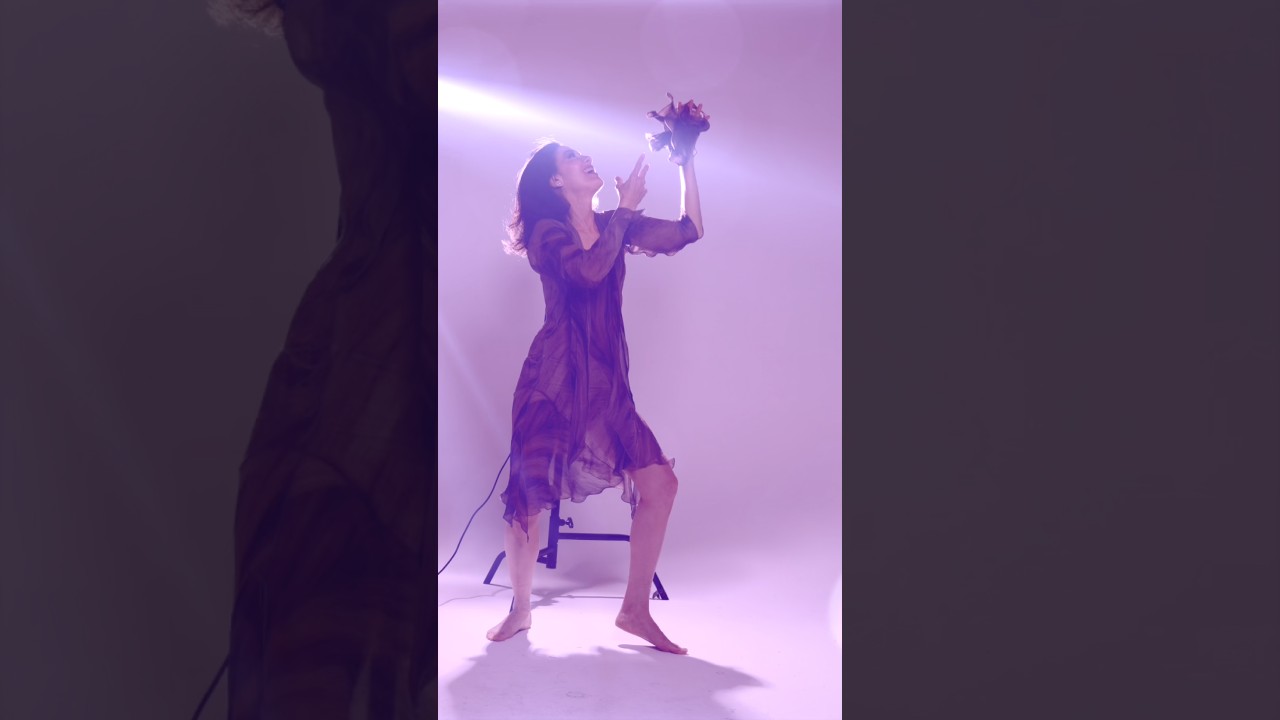
Lokah Samastah Sukhino Bhavantu is a Sanskrit mantra that translates to "May all beings everywhere be happy and free, and may my thoughts, words, and actions contribute to that happiness and freedom." This ancient blessing expresses the essence of compassion and universal goodwill in Hindu, Buddhist, and yoga traditions. It encapsulates a foundational spiritual principle: the interdependence of all beings and the recognition that individual well-being cannot be separated from the well-being of others. The mantra has become central to contemporary yoga and kirtan practices as a way to cultivate loving-kindness and extend compassion beyond the self.
What does Lokah Samastah Sukhino Bhavantu mean?
The Sanskrit phrase Lokah Samastah Sukhino Bhavantu translates literally as "May all beings everywhere be happy and free." Breaking down the Sanskrit: lokah means "world" or "all beings," samastah means "all" or "entirely," sukhino relates to happiness or ease, and bhavantu means "may they be." Together, the mantra expresses a wish for the happiness and liberation of all sentient beings across all realms and dimensions of existence.
The fuller interpretation extends beyond these words: many teachers contextualize it to include "and may my thoughts, words, and actions contribute to that happiness and freedom." This addition grounds the mantra in personal responsibility—it is not merely a passive wish but an active commitment to align one's own conduct with the well-being of others. The mantra thus becomes both an aspiration and a vow.
Where does this mantra come from?
Lokah Samastah Sukhino Bhavantu appears throughout Hindu, Buddhist, and Yoga philosophy, though its exact origins are debated among scholars. It is sometimes attributed to the Yoga Sutras tradition and appears in various forms in classical Sanskrit texts and meditation practices. The mantra distills core teachings from dharma traditions that emphasize non-duality (the recognition that all beings share a fundamental unity) and compassion as the highest spiritual principle.
The mantra became especially prominent in contemporary Western yoga and kirtan communities in the late 20th and early 21st centuries, where it serves as a practical tool for cultivating what Buddhist practitioners call metta (loving-kindness) and what Hindu philosophers recognize as ahimsa (non-harm) extended to all existence. Artists and teachers like those in the kirtan tradition have brought it into wider cultural awareness through music and chanting.
How is this mantra used in spiritual practice?
Lokah Samastah Sukhino Bhavantu is commonly chanted, sung, or repeated silently in yoga classes, meditation sessions, and kirtan gatherings. When chanted aloud, the repetition creates a vibrational anchor that helps practitioners move beyond intellectual understanding into embodied experience of compassion. The rhythm and musicality of the Sanskrit words engage both the rational and emotional centers of the brain, deepening the impact of the intention.
In yogic tradition, the mantra serves as a closing blessing at the end of physical and spiritual practice. By directing the fruits of one's practice—the energy, focus, and positive intention cultivated during asana (posture) or meditation—toward the happiness of all beings, practitioners establish a circle of benefit that extends beyond themselves. This reflects the yogic principle that individual transformation and collective healing are inseparable.
The mantra also functions as a corrective to ego and self-centeredness. When practitioners regularly affirm that their purpose includes the well-being of others, they gradually reprogram their default orientation from self-concern to interdependence. Over time, this can shift how one relates to others, makes decisions, and understands one's place in the larger web of existence.
What spiritual traditions emphasize universal compassion?
Universal compassion forms a cornerstone of multiple dharma traditions:
- Buddhism: The Mahayana Buddhist path explicitly emphasizes the Bodhisattva vow—the commitment to delay one's own enlightenment until all sentient beings are liberated. This is analogous to the sentiment of Lokah Samastah Sukhino Bhavantu, expressing that individual and collective liberation are inseparable.
- Hinduism: The non-dual philosophy of Advaita Vedanta teaches that the self (Atman) is identical with ultimate reality (Brahman), which underlies all beings. From this perspective, compassion toward others is literally compassion toward oneself. The Bhagavad Gita similarly emphasizes equanimity and the recognition of the divine in all beings.
- Yoga philosophy: The Yoga Sutras of Patanjali teach that negative emotions—greed, hatred, envy—are obstacles to liberation. Cultivating their opposites—generosity, loving-kindness, and equanimity—removes these obstacles. Universal blessing mantras support this inner work.
How does chanting affect the nervous system and mind?
The practice of chanting Sanskrit mantras like Lokah Samastah Sukhino Bhavantu engages multiple systems simultaneously. The rhythmic repetition of syllables activates the parasympathetic nervous system (the body's rest-and-digest response), lowering cortisol and activating the vagus nerve. This physiological shift creates a state of greater calm and openness.
Psychologically, mantras work through repetition and intention-setting. The conscious pairing of meaningful words with the intention for universal well-being gradually softens the mind's habit of rumination and self-concern. Brain imaging studies of mantra meditation show decreased activity in the default-mode network (associated with self-referential thinking) and increased connectivity between regions associated with attention and emotional regulation.
Additionally, the social and musical dimension of group chanting activates the bonding systems of the brain. When many people chant together, the shared rhythm and intention create a sense of unity and belonging that can be deeply moving. This collective experience of connection mirrors the message of the mantra itself—we are not separate, and our well-being is intertwined.
Can the mantra be practiced by people of any faith?
Yes. While rooted in Hindu and Buddhist traditions, Lokah Samastah Sukhino Bhavantu expresses a universal principle—compassion for all beings—that transcends any single religious framework. People of Christian, Jewish, Islamic, secular, and other backgrounds can engage with the mantra as a meditation on compassion without adopting any religious belief system. The Sanskrit words are neutral containers for an intention that resonates across cultures.
Some practitioners unfamiliar with Sanskrit may benefit from learning the English translation first and then working with the Sanskrit sounds as a rhythmic anchor for that intention. Others may compose their own phrases in their native language that capture the same essence. The mantra is a tool; the actual work is the gradual reorientation of the heart toward universal care.
Where to go from here
If you are drawn to Lokah Samastah Sukhino Bhavantu, consider beginning a simple daily practice: set aside five to ten minutes to repeat the mantra either silently or aloud, allowing yourself to feel the intention behind each repetition. Notice what arises in your heart and mind as you affirm the wish for all beings to be happy and free. You might also explore recordings of the mantra sung by kirtan artists—the musicality can deepen your connection to its meaning.
For deeper study, investigate the philosophical traditions from which the mantra emerges: read Patanjali's Yoga Sutras, explore Buddhist concepts of interdependence, or study Advaita Vedanta's teaching on non-duality. Each tradition offers different angles on why universal compassion is not a sentimental ideal but a direct recognition of how reality actually is. Finally, notice how the mantra begins to shift your daily interactions—how it influences the way you listen to others, the choices you make, and the way you respond to difficulty. The real test of the practice lies not in perfect chanting but in how it gradually transforms your relationship to all beings.