SportsCampFinder

Sfoglia tutti i Camps

Find the perfect camp for your athlete

camps

Basketball Camps
Soccer Camps
Baseball Camps
Football Camps
Volleyball Camps
Lacrosse Camps
Multi-Sport Camps
Elite Training
Overnight Camps
Day Camps
Destinazioni popolari
BaliSedonaLos AngelesCosta RicaNew YorkSan FranciscoAustinMiamiJoshua TreeTulum
Vedi tutte le categorieVedi tutte le destinazioni

Esplora tutte le funzionalità

Strumenti potenti per far crescere i tuoi eventi

Funzionalità della piattaforma

Prezzi dinamici intelligenti
Categorie di biglietti
Posti assegnati
Recupero carrelli abbandonati
Recupero visitatori
Donazioni e prezzi variabili
Sistema affiliati
Scanner biglietti
Codici sconto
Domande personalizzate
Condivisione biglietti
Upsell e componenti aggiuntivi
Analisi e report
Sequenze email
Lista d'attesa / Notifica / Promemoria
Persone e Luoghi
Camp OrganizersCamp FacilitiesKnowledge BaseInspiration
Vedi tutte le funzionalitàChi siamo
PrezziBlog
Language
Saved events
Sfoglia tutti gli eventi

camps

Basketball CampsSoccer CampsBaseball CampsFootball CampsVolleyball CampsLacrosse CampsMulti-Sport CampsElite Training

Destinazioni popolari

BaliSedonaLos AngelesCosta RicaNew YorkSan Francisco

Persone e Luoghi

Camp OrganizersCamp FacilitiesKnowledge BaseInspiration

Funzionalità della piattaforma

Prezzi dinamici intelligentiCategorie di bigliettiPosti assegnatiRecupero carrelli abbandonatiRecupero visitatoriDonazioni e prezzi variabiliSistema affiliatiScanner bigliettiCodici scontoDomande personalizzateCondivisione bigliettiUpsell e componenti aggiuntiviAnalisi e reportSequenze emailLista d'attesa / Notifica / Promemoria
Vedi tutte le funzionalitàChi siamo
PrezziBlog
AccediParents & athletesCamp directors
  • Browse all camps
  • Basketball Camps
  • Soccer Camps
  • Baseball Camps
  • Football Camps
  • Volleyball Camps
  • Lacrosse Camps
  • Multi-Sport Camps
  • Elite Training
  • All sports →
  • Orlando
  • Los Angeles
  • New York Metro
  • Dallas / Fort Worth
  • Chicago
  • Phoenix / Scottsdale
  • Atlanta
  • Denver
  • Seattle
  • Boston
  • Houston
  • Philadelphia
  • San Diego
  • Minneapolis / St. Paul
  • Tutte le città →
  • List your camp
  • Camp director dashboard
  • Pricing
  • Coaches & academies
  • Online registration & payments
  • Waivers & medical forms
  • Check-in app
  • Family messaging
  • Waitlist & notify
  • Camp marketing
  • Reports
  • All features →
  • About SportsCampFinder
  • Camp guides
  • Help Center
  • Contact
  • Careers
  • Press
  • Termini di servizio
  • Informativa sulla privacy

Camps

  • Browse all camps
  • Basketball Camps
  • Soccer Camps
  • Baseball Camps
  • Football Camps
  • Volleyball Camps
  • Lacrosse Camps
  • Multi-Sport Camps
  • Elite Training
  • All sports →

Destinazioni

  • Orlando
  • Los Angeles
  • New York Metro
  • Dallas / Fort Worth
  • Chicago
  • Phoenix / Scottsdale
  • Atlanta
  • Denver
  • Seattle
  • Boston
  • Houston
  • Philadelphia
  • San Diego
  • Minneapolis / St. Paul
  • Tutte le città →

Per Camp directors

  • List your camp
  • Camp director dashboard
  • Pricing
  • Coaches & academies

Funzionalità

  • Online registration & payments
  • Waivers & medical forms
  • Check-in app
  • Family messaging
  • Waitlist & notify
  • Camp marketing
  • Reports
  • All features →

Azienda

  • About SportsCampFinder
  • Camp guides
  • Help Center
  • Contact
  • Careers
  • Press
  • Termini di servizio
  • Informativa sulla privacy
SportsCampFinder
© 2026 SportsCampFinder. Tutti i diritti riservati.
Inspiration

Individual Differences as Unity: A Spiritual Perspective

Be Here Now Network
Be Here Now Network
Dec 19, 2024
5 min di lettura

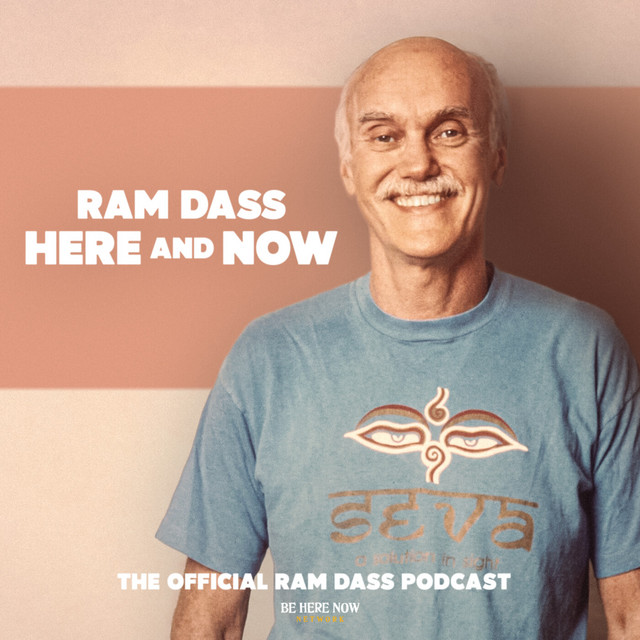
In a 1983 Harvard University reunion conversation, Ram Dass addresses the apparent paradox that while each person is unique—with different temperaments, experiences, and spiritual paths—these very differences are what create genuine human connection. Rather than seeking sameness as a basis for unity, the teaching invites us to recognize that our individuality itself is the doorway to deeper understanding of shared consciousness. This short talk, recorded at a 20-year Harvard reunion event, cuts through the illusion that spiritual progress requires homogenizing ourselves or others.

Lettura · 5 sezioni

Why Do We Resist Our Individual Differences?

One of the most persistent spiritual misconceptions is that enlightenment or higher consciousness requires us to transcend our personality, preferences, and unique way of being. This assumption often leads practitioners to view their individual quirks—their temperament, their particular gifts, even their struggles—as obstacles to be overcome rather than as expressions of something deeper. Ram Dass's teaching directly challenges this framework.

The fear often underlying this resistance is that if we embrace what makes us different, we somehow fracture the unity we seek. If I am authentically me—with my particular nervous system, my particular way of processing the world, my particular gifts and limitations—how can that be reconciled with the interconnection I experience in meditation or service? This question, posed implicitly by many seekers, sits at the heart of his message.

How Can Differences Become a Path to Connection?

Ram Dass reframes the relationship between individuality and unity entirely. Rather than viewing them as opposites, he points to a deeper truth: it is precisely through honoring and understanding our differences that we access shared consciousness. When we pretend to be something we are not—when we flatten our authentic nature in service of a spiritual ideal—we create distance, not closeness. We build a false self that cannot truly meet another.

The paradox is that the more fully we become ourselves—not in ego, but in authentic expression—the more transparently we can recognize the consciousness looking out through all different eyes. A naturally extroverted person who honors their need for connection and stimulation is not less spiritual than an introverted contemplative. An analytically minded practitioner and an emotionally intuitive one are not on different ladders. They are different instruments in the same orchestra.

This teaching emerged at a Harvard University reunion, a context that adds particular resonance. Gathered decades after their initial encounter, people who had taken wildly different life paths—different careers, different spiritual traditions, different forms of service—were able to recognize each other not despite these divergences, but through them. The specificity of how each person had grown, changed, and developed their particular understanding was the actual substance of their reconnection.

What Is the Difference Between Ego and Authentic Individuality?

A critical distinction threads through this teaching: the difference between ego-based separateness and authentic individuality that serves unity. Ego, in the spiritual sense, is the armor we build to protect a false sense of self, the insistence that my way is superior, my experience is more valid, my path is the only legitimate one. Authentic individuality, by contrast, is the expression of consciousness particularized through a unique form—your unique nervous system, your unique history, your unique gifts.

When we understand this distinction, we see that the spiritual path is not about becoming less individual but about becoming more authentically individual—less defended, less comparative, less invested in proving ourselves superior or inferior. A fully realized person is not a blank slate. They are a particular instrument, finely tuned, expressing their unique contribution to the whole.

How Does This Apply to Spiritual Community and Practice?

Many spiritual practitioners struggle with belonging. They may feel that their temperament, their questions, their way of practicing doesn't fit the mold of their tradition or teacher. This teaching offers liberation from that bind. If unity doesn't require sameness, then the introvert in a sangha of extroverts, the questioner in a faith-based tradition, the person with a particular trauma or neurology—each is not a problem to be solved but a variation that enriches the whole.

In a practical sense, this shifts how we approach teaching, mentoring, and guiding others. Rather than imposing a single practice, understanding, or lifestyle as the "right" way, a teacher working from this perspective might ask: What does this particular person's system need? How does their specific temperament, their specific gifts, their specific blockages point toward their particular path of awakening?

Where to Go From Here

If this teaching resonates, consider exploring it in your own practice and relationships. Notice where you may be trying to make yourself smaller, more similar to others, more conformist—in the name of spirituality or belonging. Notice, too, where you might be using difference as justification for separation or superiority. The middle path is honoring your specific nature while remaining radically open to the consciousness expressed through every other specific nature.

The Re-evaluation Counseling tradition, which influenced some of Ram Dass's later work, speaks of "discharge"—the process of releasing accumulated patterns so our authentic nature can emerge. Practices like journaling, movement, and honest dialogue with trusted others can help clarify what is authentic individual expression versus what is defensive pattern. Service work—particularly seva—also has a way of dissolving the self-consciousness around difference, as shared purpose becomes larger than individual variation.

Finally, approach those you encounter with curiosity rather than judgment about their differences. Ask yourself: What does this person's particular way of being reveal about consciousness, about the universe expressing itself? This shift from seeing difference as threat to seeing it as a teaching can remake your entire relational world.


Comments

Loading the conversation…

Be Here Now Network
ArtistBe Here Now Network

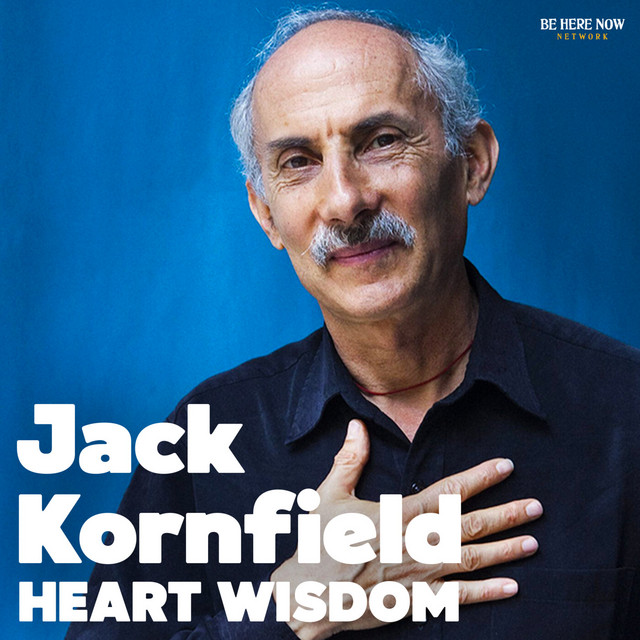
Be Here Now Network is the creator of Heart Wisdom with Jack Kornfield, a podcast exploring consciousness, spirituality, and personal transformation. With 313 episodes, they have c…

Vedi il profiloSito web
Esplora i temi
Individual-differencesUnity-consciousnessSpiritual-communityAuthenticityEgo-dissolution

Hai domande?

Domande frequenti

Rather than requiring all practitioners to follow identical practices or beliefs, authentic spiritual guidance recognizes that each person's unique temperament, nervous system, and gifts point to their particular path of awakening. A teacher working from this understanding might adapt teaching based on individual needs rather than imposing a single approach as universally correct.
Ego-based separateness is the defended insistence that one's way is superior or only valid. Authentic individuality is the expression of consciousness through a unique form—less defensive, less comparative, and fundamentally open to recognizing consciousness in others despite surface differences.
Yes. If a spiritual community truly understands that unity doesn't require sameness, then your particular temperament, questions, and way of practicing enrich rather than threaten the whole. The community that can hold diverse expressions of awakening is actually stronger and more complete.
No. The path is about becoming less defended and more authentically expressed, not about becoming a blank slate. A fully realized person is a finely tuned instrument expressing their unique gifts and understanding more clearly, not less.
Authentic individuality emerges from relaxation and openness to others, while ego-based separation feels defended and comparative. Notice whether your choices come from fear of not being accepted, or from honest clarity about what your specific system needs.
When we stop pretending to be something we're not, we can truly meet others. The specificity of how each person has grown and developed is the actual substance of genuine connection, not something to transcend.

Continua a leggere

More from Be

Vedi Tutto
Dying as Spiritual Awakening: Lessons from a 1976 Retreat Talk
Inspire

Dying as Spiritual Awakening: Lessons from a 1976 Retreat Talk

A 1976 retreat talk, now released as Here and Now Ep. 314, uses stories of Maharaj-ji, a dying student, and Varanasi to reframe death as an …

1 min read
When Science Meets the Unmeasurable: Paradigm Collapse and Spiritual Inquiry
Inspire

When Science Meets the Unmeasurable: Paradigm Collapse and Spiritual Inquiry

Ram Dass recounts his encounter with a Nobel laureate physicist who accepted every story about his guru—until one crossed the line. The gap …

1 min read
Stories as Medicine: How Compassion Heals Division and Builds Connection
Inspire

Stories as Medicine: How Compassion Heals Division and Builds Connection

In this profound exploration of human connection, renowned spiritual teacher Jack Kornfield reveals how stories serve as medicine for our di…

1 min read
Walking the Tightrope: How to Serve Both Heaven and Earth Without Losing Your Balance
Inspire

Walking the Tightrope: How to Serve Both Heaven and Earth Without Losing Your Balance

Ram Dass reveals the spiritual challenge of our time: staying connected to divine consciousness while remaining present to human suffering a…

1 min read

Continua a esplorare

Continua il tuo viaggio

Altra saggezza e altri incontri da tutta la directory BrightStar.

Altri articoli

Sfoglia l’intera raccolta di insegnamenti, interviste e guide.

Torna a tutti gli articoli →

Insegnanti e artisti

Esplora i lignaggi, i musicisti e le guide del mondo consapevole.

Esplora gli artisti →

Trova un evento

Kirtan, ritiri, sound bath, breathwork, festival: in arrivo presto.

Sfoglia gli eventi →