SportsCampFinder

Sfoglia tutti i Camps

Find the perfect camp for your athlete

camps

Basketball Camps
Soccer Camps
Baseball Camps
Football Camps
Volleyball Camps
Lacrosse Camps
Multi-Sport Camps
Elite Training
Overnight Camps
Day Camps
Destinazioni popolari
BaliSedonaLos AngelesCosta RicaNew YorkSan FranciscoAustinMiamiJoshua TreeTulum
Vedi tutte le categorieVedi tutte le destinazioni

Esplora tutte le funzionalità

Strumenti potenti per far crescere i tuoi eventi

Funzionalità della piattaforma

Prezzi dinamici intelligenti
Categorie di biglietti
Posti assegnati
Recupero carrelli abbandonati
Recupero visitatori
Donazioni e prezzi variabili
Sistema affiliati
Scanner biglietti
Codici sconto
Domande personalizzate
Condivisione biglietti
Upsell e componenti aggiuntivi
Analisi e report
Sequenze email
Lista d'attesa / Notifica / Promemoria
Persone e Luoghi
Camp OrganizersCamp FacilitiesKnowledge BaseInspiration
Vedi tutte le funzionalitàChi siamo
PrezziBlog
Language
Saved events
Sfoglia tutti gli eventi

camps

Basketball CampsSoccer CampsBaseball CampsFootball CampsVolleyball CampsLacrosse CampsMulti-Sport CampsElite Training

Destinazioni popolari

BaliSedonaLos AngelesCosta RicaNew YorkSan Francisco

Persone e Luoghi

Camp OrganizersCamp FacilitiesKnowledge BaseInspiration

Funzionalità della piattaforma

Prezzi dinamici intelligentiCategorie di bigliettiPosti assegnatiRecupero carrelli abbandonatiRecupero visitatoriDonazioni e prezzi variabiliSistema affiliatiScanner bigliettiCodici scontoDomande personalizzateCondivisione bigliettiUpsell e componenti aggiuntiviAnalisi e reportSequenze emailLista d'attesa / Notifica / Promemoria
Vedi tutte le funzionalitàChi siamo
PrezziBlog
AccediParents & athletesCamp directors
  • Browse all camps
  • Basketball Camps
  • Soccer Camps
  • Baseball Camps
  • Football Camps
  • Volleyball Camps
  • Lacrosse Camps
  • Multi-Sport Camps
  • Elite Training
  • All sports →
  • Orlando
  • Los Angeles
  • New York Metro
  • Dallas / Fort Worth
  • Chicago
  • Phoenix / Scottsdale
  • Atlanta
  • Denver
  • Seattle
  • Boston
  • Houston
  • Philadelphia
  • San Diego
  • Minneapolis / St. Paul
  • Tutte le città →
  • List your camp
  • Camp director dashboard
  • Pricing
  • Coaches & academies
  • Online registration & payments
  • Waivers & medical forms
  • Check-in app
  • Family messaging
  • Waitlist & notify
  • Camp marketing
  • Reports
  • All features →
  • About SportsCampFinder
  • Camp guides
  • Help Center
  • Contact
  • Careers
  • Press
  • Termini di servizio
  • Informativa sulla privacy

Camps

  • Browse all camps
  • Basketball Camps
  • Soccer Camps
  • Baseball Camps
  • Football Camps
  • Volleyball Camps
  • Lacrosse Camps
  • Multi-Sport Camps
  • Elite Training
  • All sports →

Destinazioni

  • Orlando
  • Los Angeles
  • New York Metro
  • Dallas / Fort Worth
  • Chicago
  • Phoenix / Scottsdale
  • Atlanta
  • Denver
  • Seattle
  • Boston
  • Houston
  • Philadelphia
  • San Diego
  • Minneapolis / St. Paul
  • Tutte le città →

Per Camp directors

  • List your camp
  • Camp director dashboard
  • Pricing
  • Coaches & academies

Funzionalità

  • Online registration & payments
  • Waivers & medical forms
  • Check-in app
  • Family messaging
  • Waitlist & notify
  • Camp marketing
  • Reports
  • All features →

Azienda

  • About SportsCampFinder
  • Camp guides
  • Help Center
  • Contact
  • Careers
  • Press
  • Termini di servizio
  • Informativa sulla privacy
SportsCampFinder
© 2026 SportsCampFinder. Tutti i diritti riservati.
Back to Robert Bly
Where to Start with Robert Bly: A Beginner's Guide
For Beginners

Where to Start with Robert Bly: A Beginner's Guide

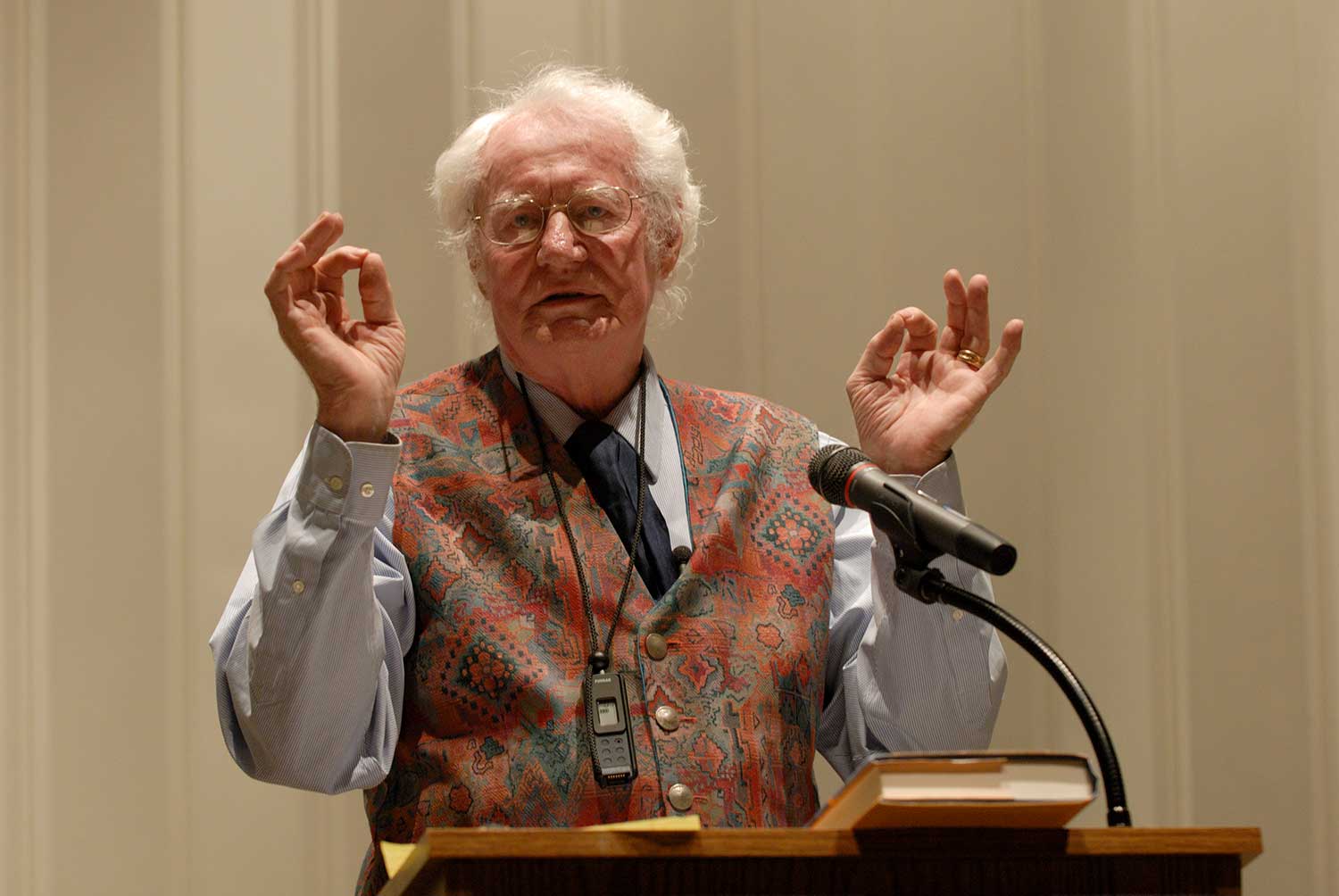
Robert Bly is difficult to pin down—poet, translator, mythologist, provocateur. For over fifty years, he moved between the inward landscape of Deep Image poetry and the public arena of cultural controversy, particularly around masculinity.

Robert Bly
Robert Bly
Jul 16, 2026
3 min di lettura
Lettura · 7 sezioni

Where to Start with Robert Bly: A Beginner's Guide

Robert Bly is difficult to pin down—poet, translator, mythologist, provocateur. For over fifty years, he moved between the inward landscape of Deep Image poetry and the public arena of cultural controversy, particularly around masculinity. His work asks you to leap between images rather than follow a straight line, to trust intuition over logic, and to accept that poems can work on you without being fully "understood." For newcomers, this can be disorienting. Here's how to start.

The Single Best Entry Point

Begin with Bly as translator, specifically his versions of Tomas Tranströmer. Bly introduced the Swedish poet to American readers and his translations capture what makes his own poetic sensibility tick: sudden shifts between the mundane and the mythic, compression, silence between words. Reading Tranströmer through Bly gives you the Deep Image aesthetic without the baggage of Bly's more controversial cultural work. You'll see how he values the leap—the moment when a poem jumps from one register to another without explanation, trusting the reader to feel the connection rather than think it.

If you can't locate the Tranströmer translations immediately, start with "Angel of Peace" (2025), his late audio album. At nine tracks, it's brief and offers Bly in his final mode: elder, reflective, still committed to the image as a vehicle for emotional truth. Listen for how he uses pauses, how images arrive without preamble.

Next Steps

After Tranströmer or "Angel of Peace," move to Bly's own poetry—specifically work from the 1960s and 1970s when his Deep Image approach was most concentrated. Look for poems that layer natural observation with political anger and inward darkness. His Vietnam-era work channels outrage through surreal imagery rather than direct statement.

Then approach "Iron John" (1990), but only after you've encountered the poetry. "Iron John" became a cultural phenomenon and lightning rod, often reduced to simplistic readings about "men beating drums in the woods." The book is actually a close reading of a Grimm fairy tale, using myth to explore male psychology, father-son relationships, and initiation. It's best read as mythopoetic commentary, not self-help. Coming to it after the poetry helps you see it as an extension of Bly's career-long interest in symbol, archetype, and the unconscious.

Finally, seek out his translations of Rainer Maria Rilke or Antonio Machado. These show Bly's range and his commitment to bringing non-English voices into American poetry. His Rilke captures spiritual yearning; his Machado emphasizes solitude and landscape.

What to Expect

First encounter: you may feel lost. Bly's poems don't explain themselves. They present images in sequence—a turtle, a president, a dark house—and trust you to feel the emotional through-line. The meaning is in the leap between images, not in what's explicitly stated. This is intentional. Bly believed American poetry had become too rational, too confessional, too direct. He wanted to restore mystery and the unconscious.

Common Misunderstandings

Beginners often mistake Bly's indirection for obscurity or randomness. The images aren't arbitrary—they're chosen for emotional resonance and symbolic weight. Don't try to decode them like puzzles. Let them accumulate.

Another mistake: dismissing him entirely because of "Iron John" without reading the actual book or any poetry. Bly became a cultural symbol in the 1990s, often caricatured. His poetry remains separate from and deeper than his public persona.

When This Work Lands Hardest

Bly's work resonates most powerfully during transitions: midlife reassessment, grief, disillusionment with surface explanations. His poetry speaks to people tired of obvious answers, ready to sit with ambiguity. "Iron John" lands hardest for men (or anyone) examining their relationship to father figures, mentorship, and masculine archetypes—usually in the 30s-50s age range, though not exclusively.

His translations work anytime you're hungry for voices outside the Anglo-American mainstream.

One-Week Starter Plan

Day 1-2: Read Bly's Tranströmer translations. Five poems each day. Read them twice—once for sense, once for sound and image.

Day 3-4: Listen to "Angel of Peace" in full. Take notes on recurring images. Notice the pacing.

Day 5: Read Bly's own poems from the 1960s-70s. Six to eight poems. Focus on how political content merges with natural imagery.

Day 6: Read the first thirty pages of "Iron John." Stop. Sit with it.

Day 7: Return to one Tranströmer poem and one Bly poem. Read them aloud. Notice what's changed in how you hear them.

Robert Bly
AboutRobert Bly

Robert Bly (1926–2021) was an American poet, translator, and editor whose work in mid-century literature and the mythopoetic men's movement shaped both poetry and social thought. H…

Vedi il profiloSito web

Continua a leggere

More about Robert Bly

Vedi Tutto
Who Is Robert Bly? Life, Work, and Legacy
Articolo

Who Is Robert Bly? Life, Work, and Legacy

Continua a esplorare

Continua il tuo viaggio

Altra saggezza e altri incontri da tutta la directory BrightStar.

Altri articoli

Sfoglia l’intera raccolta di insegnamenti, interviste e guide.

Torna a tutti gli articoli →

Insegnanti e artisti

Esplora i lignaggi, i musicisti e le guide del mondo consapevole.

Esplora gli artisti →

Trova un evento

Kirtan, ritiri, sound bath, breathwork, festival: in arrivo presto.

Sfoglia gli eventi →