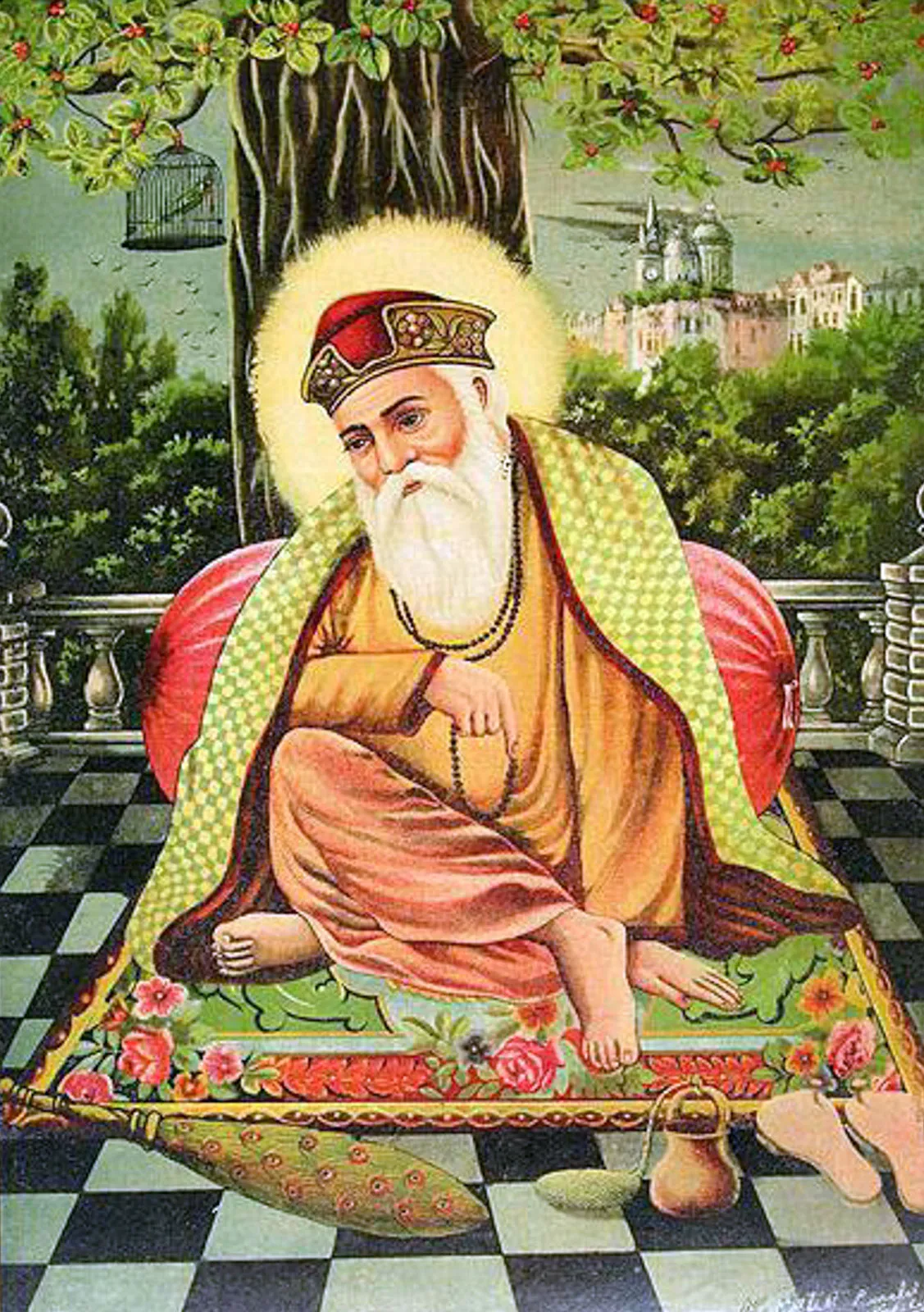
The Depth of Truthful Living
In the profound words of Guru Nanak, "Truth is higher than everything; but higher still is truthful living." This statement invites us to explore the intricate relationship between the concept of truth and the practice of living it authentically. It suggests that while the pursuit of truth is paramount, the embodiment of that truth in our daily lives elevates it to an even greater significance. This distinction is crucial in a world often clouded by deception, where the essence of truth can be obscured by mere intellectual understanding.
Guru Nanak's assertion challenges us to move beyond mere acknowledgment of truth as an abstract idea and to engage with it as a lived experience. It emphasizes that truth is not just a philosophical concept to be debated but a guiding principle that should inform our actions, relationships, and interactions with the world. In this light, truthful living becomes a spiritual practice, a commitment to align our inner convictions with our outward expressions, thus fostering a deeper connection with ourselves and the universe.
The image / the metaphor
At its core, the quote presents a hierarchy of values, with truth positioned as the highest ideal. The imagery of "higher" evokes a sense of elevation, suggesting that truth exists on a plane that transcends ordinary existence. The verbs "is" and "living" imply a state of being and an active engagement, respectively. This duality invites us to consider truth not just as a static entity but as a dynamic force that requires our participation and commitment.
Diving deeper into the metaphor, we can see that truthful living is akin to a journey, where each step taken in alignment with truth brings us closer to a more profound understanding of ourselves and our place in the world. It suggests that the pursuit of truth is not solely an intellectual endeavor but a holistic practice that encompasses our thoughts, words, and actions. This interconnectedness of truth and living reflects the essence of spiritual growth, where the realization of truth transforms into a lived experience that resonates with authenticity and integrity.
In the speaker's tradition
Guru Nanak's teachings are deeply rooted in the Sikh tradition, which emphasizes the importance of living a life of truth, humility, and service. Concepts such as dharma, or righteous living, and bhakti, the devotion to God, are integral to understanding how truth manifests in daily life. In Sikhism, the pursuit of truth is not merely a personal endeavor; it is a communal responsibility that fosters harmony and understanding among individuals. This collective aspect of truth is vital, as it encourages us to engage with others in a manner that reflects our commitment to authenticity.
In the Guru Granth Sahib, the central religious scripture of Sikhism, we find numerous references to the significance of truth. For instance, the concept of "sach" (truth) is often linked with divine presence and guidance. The text emphasizes that living in accordance with truth leads to spiritual liberation and fulfillment. This connection between truth and spiritual enlightenment underscores the idea that truthful living is not just an ethical choice but a pathway to deeper spiritual realization.
Living the teaching
Consider a modern scenario where an individual grapples with the truth in a professional setting. Imagine a workplace where honesty is often compromised for the sake of expediency. In such an environment, the challenge lies in navigating the complexities of truth while maintaining integrity. By embodying the principle of truthful living, one can choose to communicate openly and transparently, fostering a culture of trust and accountability. This commitment to truth not only enhances personal integrity but also inspires others to reflect on their own practices, creating a ripple effect of authenticity.
In the realm of personal relationships, the teaching of truthful living can manifest in moments of vulnerability and honesty. For instance, during a conflict with a loved one, the temptation may arise to withhold feelings or manipulate the truth to avoid discomfort. However, embracing truthful living encourages us to express our emotions genuinely, fostering deeper connections and understanding. This practice of honesty, even when challenging, cultivates a space for healing and growth, reinforcing the idea that truth is not merely a concept but a lived reality that enriches our relationships.
A reflection
As we contemplate Guru Nanak's profound insight, we are invited to reflect on our own relationship with truth. Are we merely acknowledging truth in our lives, or are we actively embodying it in our actions and interactions? This contemplation leads us to a deeper question: How can we align our daily practices with the truth we hold dear, ensuring that our lives reflect the authenticity we seek? In this inquiry, we may find the path to a more meaningful and truthful existence.


