The Priceless Nature of Dharma and Justice
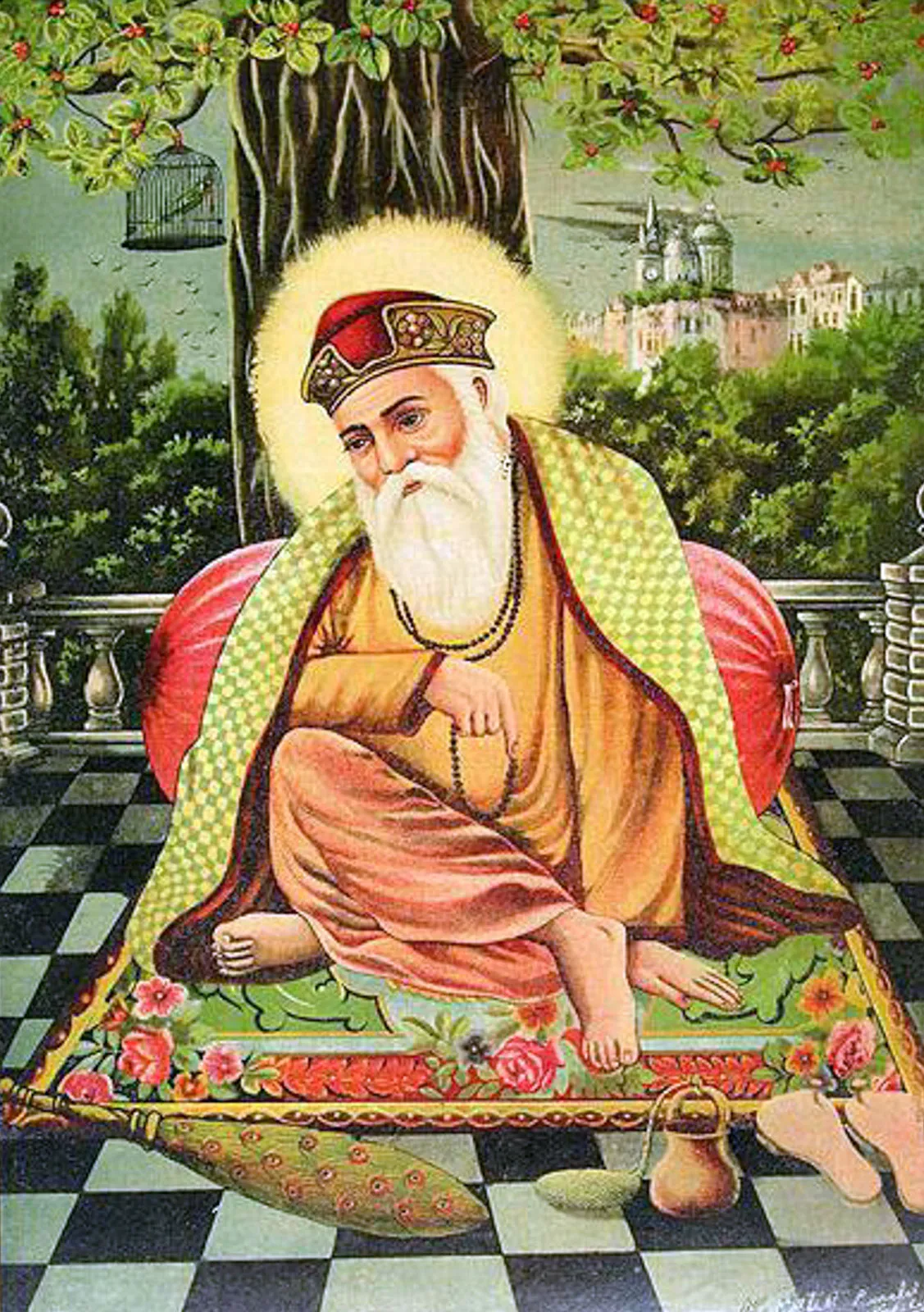
In the profound words of Guru Nanak, "Priceless is the Divine Law of Dharma, priceless is the Divine Court of Justice." This statement encapsulates the essence of ethical living and the intrinsic value of justice within the Sikh tradition. It invites us to reflect on the significance of dharma—our duty and righteousness—and the divine justice that governs our actions. In a world often clouded by moral ambiguity, this teaching serves as a beacon, urging us to align our lives with the principles of truth and justice.
Guru Nanak's assertion not only elevates the concept of dharma but also emphasizes the sacredness of justice as a divine principle. The term "priceless" suggests that these concepts transcend material value, highlighting their fundamental role in the spiritual and ethical fabric of existence. This quote challenges us to consider how we engage with our own sense of duty and justice, both in our personal lives and within the broader societal context. It invites us to explore the depths of our responsibilities and the moral imperatives that guide our choices.
The image / the metaphor
At first glance, the imagery in Guru Nanak's quote evokes a sense of reverence for dharma and justice. The use of the word "priceless" suggests that these concepts cannot be quantified or commodified; they exist beyond the realm of material wealth. The "Divine Law of Dharma" conjures images of a cosmic order, a guiding principle that governs not only individual actions but also the collective moral compass of humanity. The "Divine Court of Justice" further reinforces this idea, presenting justice as an omnipresent force that holds individuals accountable for their actions.
In the speaker's tradition
Guru Nanak's teachings are deeply rooted in the Sikh tradition, which emphasizes the importance of dharma as a guiding principle for ethical living. In Sikh philosophy, dharma encompasses not only individual responsibilities but also the collective duty to uphold justice and equity within society. This aligns with the concept of "seva," or selfless service, which encourages individuals to act in ways that promote the welfare of others. The interplay between dharma and justice reflects the Sikh belief in the oneness of humanity and the interconnectedness of all beings.
In the sacred text of the Japji Sahib, Guru Nanak articulates the significance of living a life aligned with truth and righteousness. The notion of "hukam," or divine order, further complements this understanding, suggesting that when we align our actions with dharma, we are in harmony with the universe. This connection between dharma, justice, and divine order underscores the importance of ethical living as a pathway to spiritual fulfillment. It invites us to consider how our actions resonate within the larger context of existence, urging us to embody the principles of justice and righteousness in our daily lives.
Living the teaching
Consider a modern scenario where the principles of dharma and justice come into play: a workplace conflict where an employee feels unfairly treated. In this situation, the teachings of Guru Nanak encourage individuals to seek resolution through open dialogue and a commitment to fairness. By embodying the principles of dharma, both parties can navigate their responsibilities with integrity, fostering an environment where justice prevails. This approach not only resolves the immediate conflict but also cultivates a culture of trust and respect within the workplace.
Another application of this teaching can be found in personal relationships, particularly during challenging moments. Imagine a disagreement between friends, where misunderstandings have led to hurt feelings. By invoking the principles of dharma and justice, individuals can approach the situation with empathy and a willingness to listen. This commitment to understanding and fairness allows for healing and reconciliation, reinforcing the idea that justice is not merely punitive but restorative. In these everyday interactions, the teachings of Guru Nanak remind us that living in alignment with dharma leads to a more just and compassionate world.
A reflection
As we contemplate the profound wisdom of Guru Nanak's words, we are invited to reflect on our own lives: How do we embody the principles of dharma and justice in our daily actions? This question encourages us to examine our choices, relationships, and responsibilities, prompting a deeper understanding of how we can contribute to a more just and equitable world. In this reflection, we may find the inspiration to align our lives with the divine law of dharma, recognizing its priceless nature in our spiritual journey.


