SportsCampFinder

Parcourir tous les Camps

Find the perfect camp for your athlete

camps

Basketball Camps
Soccer Camps
Baseball Camps
Football Camps
Volleyball Camps
Lacrosse Camps
Multi-Sport Camps
Elite Training
Overnight Camps
Day Camps
Destinations populaires
BaliSedonaLos AngelesCosta RicaNew YorkSan FranciscoAustinMiamiJoshua TreeTulum
Voir toutes les catégoriesVoir toutes les destinations

Explorer toutes les fonctionnalités

Des outils puissants pour développer tes événements

Fonctionnalités de la plateforme

Tarification dynamique intelligente
Catégories de billets
Places assignées
Récupération des paniers abandonnés
Récupération des visiteurs
Dons & Prix variables
Système d'affiliation
Scanner de billets
Codes promo
Questions personnalisées
Partage de billets
Ventes additionnelles & Options
Analyses & Rapports
Séquences d'emails
Liste d'attente / Notifier / Rappeler
Personnes & Lieux
Camp OrganizersCamp FacilitiesKnowledge BaseInspiration
Voir toutes les fonctionnalitésÀ propos
TarifsBlog
Language
Saved events
Parcourir tous les événements

camps

Basketball CampsSoccer CampsBaseball CampsFootball CampsVolleyball CampsLacrosse CampsMulti-Sport CampsElite Training

Destinations populaires

BaliSedonaLos AngelesCosta RicaNew YorkSan Francisco

Personnes & Lieux

Camp OrganizersCamp FacilitiesKnowledge BaseInspiration

Fonctionnalités de la plateforme

Tarification dynamique intelligenteCatégories de billetsPlaces assignéesRécupération des paniers abandonnésRécupération des visiteursDons & Prix variablesSystème d'affiliationScanner de billetsCodes promoQuestions personnaliséesPartage de billetsVentes additionnelles & OptionsAnalyses & RapportsSéquences d'emailsListe d'attente / Notifier / Rappeler
Voir toutes les fonctionnalitésÀ propos
TarifsBlog
ConnexionParents & athletesCamp directors
  • Browse all camps
  • Basketball Camps
  • Soccer Camps
  • Baseball Camps
  • Football Camps
  • Volleyball Camps
  • Lacrosse Camps
  • Multi-Sport Camps
  • Elite Training
  • All sports →
  • Orlando
  • Los Angeles
  • New York Metro
  • Dallas / Fort Worth
  • Chicago
  • Phoenix / Scottsdale
  • Atlanta
  • Denver
  • Seattle
  • Boston
  • Houston
  • Philadelphia
  • San Diego
  • Minneapolis / St. Paul
  • Toutes les villes →
  • List your camp
  • Camp director dashboard
  • Pricing
  • Coaches & academies
  • Online registration & payments
  • Waivers & medical forms
  • Check-in app
  • Family messaging
  • Waitlist & notify
  • Camp marketing
  • Reports
  • All features →
  • About SportsCampFinder
  • Camp guides
  • Help Center
  • Contact
  • Careers
  • Press
  • Conditions d'utilisation
  • Politique de confidentialité

Camps

  • Browse all camps
  • Basketball Camps
  • Soccer Camps
  • Baseball Camps
  • Football Camps
  • Volleyball Camps
  • Lacrosse Camps
  • Multi-Sport Camps
  • Elite Training
  • All sports →

Destinations

  • Orlando
  • Los Angeles
  • New York Metro
  • Dallas / Fort Worth
  • Chicago
  • Phoenix / Scottsdale
  • Atlanta
  • Denver
  • Seattle
  • Boston
  • Houston
  • Philadelphia
  • San Diego
  • Minneapolis / St. Paul
  • Toutes les villes →

Pour Camp directors

  • List your camp
  • Camp director dashboard
  • Pricing
  • Coaches & academies

Fonctionnalités

  • Online registration & payments
  • Waivers & medical forms
  • Check-in app
  • Family messaging
  • Waitlist & notify
  • Camp marketing
  • Reports
  • All features →

Entreprise

  • About SportsCampFinder
  • Camp guides
  • Help Center
  • Contact
  • Careers
  • Press
  • Conditions d'utilisation
  • Politique de confidentialité
SportsCampFinder
© 2026 SportsCampFinder. Tous droits réservés.
Back to Bruce Lipton
Where to Start with Bruce Lipton: A Beginner's Guide
For Beginners

Where to Start with Bruce Lipton: A Beginner's Guide

If you're new to Bruce Lipton, begin with his foundational book The Biology of Belief. This is where he lays out the core premise that upended his career as a stem cell biologist: that genes don't control biology the way we've been taught.

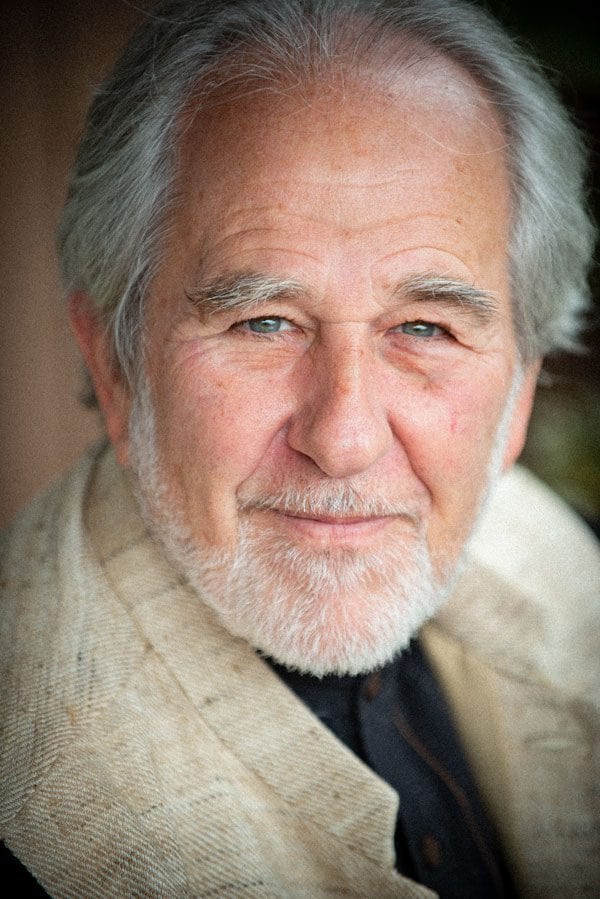
Bruce Lipton
Bruce Lipton
Jul 18, 2026
3 min de lecture
Lecture · 1 sections

Where to Start with Bruce Lipton: A Beginner's Guide

Start Here: The Biology of Belief

If you're new to Bruce Lipton, begin with his foundational book The Biology of Belief. This is where he lays out the core premise that upended his career as a stem cell biologist: that genes don't control biology the way we've been taught. Instead, environmental signals—including your thoughts and perceptions—regulate gene expression. The book walks you through his laboratory observations of cloned stem cells behaving differently based solely on their culture environments, then extrapolates these findings into a framework where consciousness participates in cellular health. It's written for general readers, not academics, and provides the conceptual scaffolding everything else depends on.

What Happens After

Once you've absorbed the central argument, look for Lipton's recorded talks and lectures. He's a science communicator first, and watching him present allows you to see how he translates molecular biology into accessible metaphor. His speaking style is direct, enthusiastic, and deeply didactic—he wants you to understand the mechanics, not just accept the conclusion. YouTube has numerous full-length presentations where he builds from cell membrane function to the implications for human agency.

After that, explore his work on consciousness studies and how he positions epigenetics within broader questions about evolution and spirituality. Lipton doesn't stop at gene expression; he argues that belief systems function as filters determining which environmental signals your cells respond to. This is where his work diverges most sharply from conventional biology and enters territory that blends science with New Thought philosophy.

What to Expect on First Encounter

Lipton presents with the authority of a research scientist—because he was one. Expect detailed explanations of cellular membrane receptors, signal transduction pathways, and how environmental chemistry influences DNA transcription. But also expect sudden pivots into metaphysical territory: discussions of consciousness as a field, the limitations of Darwinian randomness, and the power of intentional belief to reshape biology.

The tone is optimistic, even evangelical. Lipton positions his findings as liberation from genetic determinism, a scientific basis for personal empowerment. First-time readers often describe feeling both intellectually stimulated and emotionally energized.

Common Misunderstandings

Many beginners assume Lipton is claiming thoughts alone can override all biological reality—a misreading that flattens his actual argument. He's not saying belief eliminates disease through willpower. He's proposing that perception acts as an environmental signal influencing gene expression, one variable among many. The mechanism matters.

Others mistake his work for pure mainstream science. Lipton's interpretive leap—from epigenetic mechanisms to consciousness-driven cellular control—places him outside conventional academic biology. His peers accept that environment affects gene expression; they're far more skeptical about framing beliefs as environmental signals comparable to biochemical factors.

When This Work Lands Hardest

Lipton's ideas tend to resonate most during moments of perceived biological helplessness: chronic illness diagnoses, inherited disease risk, or simply the feeling of being trapped by genetic fate. His central message—that you're not a victim of your genes—offers both explanatory power and emotional relief when conventional medicine feels deterministic.

It also appeals to people already questioning materialist frameworks, especially those seeking scientific validation for mind-body practices or spiritual perspectives on health.

Your One-Week Starter Plan

Days 1-3: Read The Biology of Belief, focusing on the first half where Lipton describes his stem cell research and the mechanics of membrane signal processing. Take notes on the distinction between genetic determinism and epigenetic responsiveness.

Day 4: Watch one of his full-length lecture videos to see how he presents the material verbally. Notice where he uses metaphor and where he cites specific experimental findings.

Day 5: Re-read the later chapters on consciousness and perception. Identify where Lipton moves from describing mechanisms to proposing broader implications.

Days 6-7: Reflect on where you find his argument compelling and where you have questions. Research mainstream epigenetics to understand what's consensus science and where Lipton's interpretation extends beyond it.

The goal isn't immediate acceptance or rejection—it's understanding the framework on its own terms before deciding what it means for you.

Bruce Lipton
AboutBruce Lipton

Bruce Lipton is a stem cell biologist and author whose research into cellular behavior and epigenetics has shaped contemporary discourse on the relationship between biology and bel…

Voir le profilSite web

Continuer la lecture

More about Bruce Lipton

Voir tout
Who Is Bruce Lipton? Life, Work, and Legacy
Article

Who Is Bruce Lipton? Life, Work, and Legacy

Continue d’explorer

Poursuis ton chemin

Plus de sagesse et de rassemblements dans tout l’annuaire BrightStar.

Plus d’articles

Parcours toute la bibliothèque d’enseignements, d’entretiens et de guides.

Retour à tous les articles →

Enseignants et artistes

Découvre les lignées, les musiciens et les guides du monde conscient.

Explorer les artistes →

Trouver un événement

Kirtan, retraites, bains sonores, breathwork, festivals — bientôt près de chez toi.

Parcourir les événements →