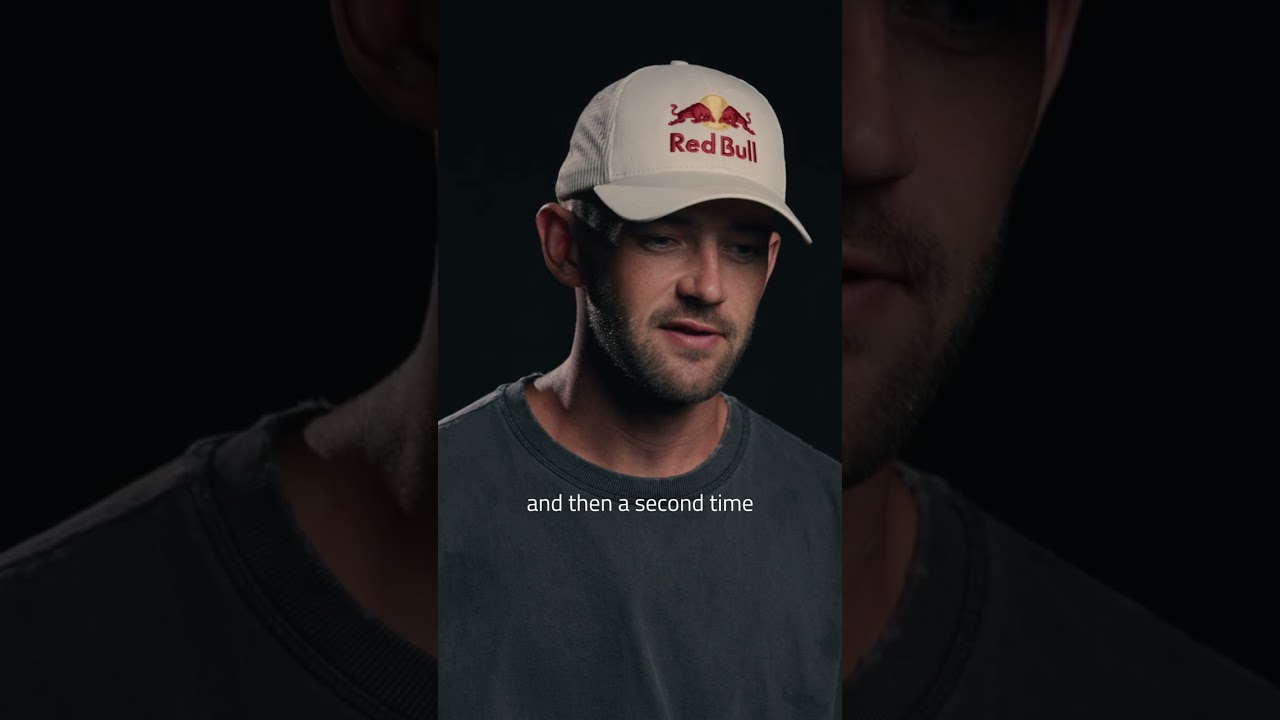
In the world of endurance sports, the journey often transcends the finish lines of races and events. This sentiment is beautifully captured in the premiere episode of the docuseries "Beyond Finish Lines," hosted by three-time IRONMAN World Champion Jan Frodeno. In this episode, renowned chef and endurance athlete Gordon Ramsay joins Frodeno for an insightful conversation that explores the personal struggles and triumphs that shape athletes' lives. This article delves into the key themes and insights from their conversation, providing actionable takeaways for both seasoned athletes and those new to the sport.
One of the most intriguing aspects of the conversation between Jan Frodeno and Gordon Ramsay is the intersection of culinary arts and endurance sports. Both fields require discipline, creativity, and an unwavering commitment to excellence. Ramsay discusses how his experiences in the kitchen parallel his journey as an athlete, emphasizing the importance of preparation and mental focus. Just as a chef meticulously plans a menu, endurance athletes must craft training regimens that account for their unique physiological needs and goals.
Ramsay also highlights the significance of nutrition in fueling performance, a theme that resonates deeply within the triathlon community. He stresses that what goes into an athlete's body can make or break their performance on race day. This insight is particularly relevant for triathletes who must balance carbohydrates, proteins, and fats to optimize energy levels and recovery. Understanding macronutrient ratios and timing meals around training sessions can enhance endurance performance, echoing the meticulous attention chefs pay to ingredient selection and preparation methods.
Moreover, Ramsay's commitment to excellence in the kitchen can inspire athletes to maintain high standards in their training. Just as a chef perfects a dish through practice, athletes should approach their training with the same level of dedication and perseverance. This mindset is crucial as athletes navigate the challenges of long-distance events like IRONMAN races, where mental fortitude is as essential as physical capability.
Throughout the episode, Jan Frodeno and Gordon Ramsay reflect on the defining moments that shaped their respective careers. For Frodeno, winning the IRONMAN World Championship is not merely a title; it represents years of hard work, setbacks, and personal growth. He articulates how each race serves as a pivotal moment, not just for the outcomes but for the lessons learned along the way. This perspective can be a powerful motivator for endurance athletes, emphasizing that every race contributes to their overall development.
Ramsay shares his own defining moments, including the challenges he faced while transitioning from the culinary world to competing in triathlons. He speaks candidly about the fears and doubts that accompany such transitions, reminding viewers that vulnerability is part of the journey. This openness fosters a sense of community among athletes, as many face similar hurdles on their paths to success. Recognizing that shared struggles can lead to personal breakthroughs encourages athletes to embrace their unique journeys.
These defining moments often serve as catalysts for growth. Athletes are encouraged to document their experiences, noting not just successes but also setbacks. This reflection can help identify patterns and inform future training strategies, ultimately paving the way for improved performance. As Frodeno and Ramsay illustrate, understanding the significance of these moments enhances both the physical and emotional aspects of an athlete's journey.
A significant part of the conversation revolves around the psychological challenges athletes face during training and competition. Frodeno emphasizes the mental aspect of endurance sports, noting that pushing through physical limits requires a strong mindset. Athletes often encounter mental barriers, particularly in long-distance events where fatigue and self-doubt can overshadow their determination.
Ramsay, drawing from his experiences in both cooking and competing, reinforces the idea that mental resilience is cultivated through practice. He suggests techniques such as visualization and mindfulness to help athletes manage anxiety and maintain focus during races. The ability to visualize success can significantly impact performance, allowing athletes to approach challenges with confidence and clarity. This technique is especially beneficial for triathletes, who must navigate diverse terrains and conditions during races.
Additionally, Frodeno and Ramsay discuss the importance of setting realistic goals and celebrating small victories. This approach not only boosts motivation but also fosters a positive mindset throughout the training process. Athletes are encouraged to break down their larger goals into manageable milestones, recognizing that each step contributes to their overall success. By prioritizing mental well-being, athletes can enhance their performance and experience greater satisfaction in their endurance pursuits.
As the conversation unfolds, Frodeno and Ramsay delve into various training regimens and techniques essential for endurance athletes. Frodeno shares insights into his structured training program, which includes a combination of swimming, cycling, and running tailored to specific race goals. He stresses the importance of periodization, allowing for variations in intensity and volume to optimize performance while minimizing the risk of injury.
Ramsay, on the other hand, discusses his unconventional approach to training, which includes integrating cross-training and strength workouts into his routine. This holistic approach not only supports cardiovascular fitness but also enhances overall strength and flexibility, crucial for triathletes who must endure diverse physical demands. Athletes can benefit from incorporating strength training sessions, focusing on core stability and muscle endurance to improve their performance across all three disciplines.
Frodeno also touches on the significance of recovery in an athlete's training plan. He emphasizes that incorporating rest days and active recovery sessions is vital for allowing the body to heal and adapt. This balance between training intensity and recovery is crucial for long-term success, highlighting the importance of listening to one's body and adjusting training plans accordingly. Effective recovery strategies, such as proper nutrition and hydration, can significantly impact an athlete's performance in subsequent training sessions and races.
Every athlete faces setbacks, and both Frodeno and Ramsay candidly share their experiences with failure. Frodeno recounts moments when he struggled to meet his goals, whether due to injury or unexpected race conditions. These experiences serve as valuable lessons, reminding athletes that failure is not the end but rather an integral part of the journey. Embracing setbacks can foster resilience and adaptability, qualities essential for success in endurance sports.
Ramsay relates his own challenges, emphasizing the importance of maintaining a positive mindset in the face of adversity. He discusses how he channels disappointment into motivation, using setbacks as fuel for future success. This perspective can be transformative for athletes, encouraging them to view challenges as opportunities for growth rather than insurmountable obstacles.
Additionally, Frodeno and Ramsay encourage athletes to seek support from their communities during tough times. Whether through training partners, coaches, or online forums, sharing experiences can provide valuable insights and encouragement. Building a network of support not only enhances motivation but also fosters a sense of belonging within the endurance sports community. By navigating setbacks together, athletes can emerge stronger and more resilient.
The conversation between Jan Frodeno and Gordon Ramsay highlights the importance of community in the world of endurance sports. Both athletes emphasize that the support of friends, family, and fellow competitors plays a crucial role in an athlete's journey. Ramsay shares how the camaraderie found in training groups and races can provide a sense of belonging and motivation, particularly during challenging times.
Frodeno echoes this sentiment, noting that shared experiences at events foster connections among athletes. Whether it's the excitement of race day or the camaraderie during training sessions, these moments create lasting bonds that extend beyond the sport itself. Engaging with a community of like-minded individuals not only enhances motivation but also enriches the overall experience of participating in endurance sports.
Moreover, both Frodeno and Ramsay encourage athletes to give back to their communities. Volunteering at local races or supporting aspiring athletes can create a positive ripple effect, inspiring others to pursue their endurance goals. By fostering a culture of support and encouragement, athletes can contribute to the growth and sustainability of the endurance sports community, ensuring that future generations can enjoy the same sense of achievement and fulfillment.
Ultimately, the conversation between Jan Frodeno and Gordon Ramsay resonates with a powerful theme: the journey of an athlete extends far beyond crossing the finish line. Both figures emphasize the significance of personal growth, resilience, and the lessons learned along the way. For endurance athletes, the process of training, competing, and overcoming challenges is as valuable as the accolades earned.
Frodeno encourages athletes to embrace their unique journeys, recognizing that each race contributes to their overall development. The experiences gained through training and competition shape not only an athlete's performance but also their character. This holistic approach to endurance sports fosters a deeper appreciation for the sport and the individuals who participate in it.
Ramsay's insights further reinforce this message, reminding athletes that their identities are not solely defined by their race results. Instead, it's the relationships built, the challenges faced, and the personal victories achieved that truly define an athlete's journey. By embracing this perspective, athletes can find fulfillment in the process and continue to strive for their best selves, both in sports and in life.
Watch the complete video above for the full breakdown. For more endurance content, explore our latest articles, browse upcoming events, or discover athlete profiles on EnduranceFinder.