
SportsCampFinder

Ver Todos los Camps

Find the perfect camp for your athlete

camps

Basketball Camps
Soccer Camps
Baseball Camps
Football Camps
Volleyball Camps
Lacrosse Camps
Multi-Sport Camps
Elite Training
Overnight Camps
Day Camps
Destinos Populares
BaliSedonaLos AngelesCosta RicaNew YorkSan FranciscoAustinMiamiJoshua TreeTulum
Ver Todas las CategoríasVer Todos los Destinos

Explorar Todas las Características

Herramientas poderosas para hacer crecer tus eventos

Características de la Plataforma

Precios Dinámicos Inteligentes
Categorías de Entradas
Asientos Asignados
Recuperación de Carritos
Recuperación de Visitantes
Donaciones y Escala Móvil
Motor de Afiliados
Escáner de Entradas
Códigos de Cupón
Preguntas Personalizadas
Compartir Entradas
Ventas Adicionales
Análisis e Informes
Secuencias de Email
Lista de Espera / Notificar / Recordar
Personas y Lugares
Camp OrganizersCamp FacilitiesKnowledge BaseInspiration
Ver Todas las CaracterísticasSobre Nosotros
PreciosBlog
Language
Saved events
Ver Todos los Eventos

camps

Basketball CampsSoccer CampsBaseball CampsFootball CampsVolleyball CampsLacrosse CampsMulti-Sport CampsElite Training

Destinos Populares

BaliSedonaLos AngelesCosta RicaNew YorkSan Francisco

Personas y Lugares

Camp OrganizersCamp FacilitiesKnowledge BaseInspiration

Características de la Plataforma

Precios Dinámicos InteligentesCategorías de EntradasAsientos AsignadosRecuperación de CarritosRecuperación de VisitantesDonaciones y Escala MóvilMotor de AfiliadosEscáner de EntradasCódigos de CupónPreguntas PersonalizadasCompartir EntradasVentas AdicionalesAnálisis e InformesSecuencias de EmailLista de Espera / Notificar / Recordar
Ver Todas las CaracterísticasSobre Nosotros
PreciosBlog
Iniciar sesiónParents & athletesCamp directors
  • Browse all camps
  • Basketball Camps
  • Soccer Camps
  • Baseball Camps
  • Football Camps
  • Volleyball Camps
  • Lacrosse Camps
  • Multi-Sport Camps
  • Elite Training
  • All sports →
  • Orlando
  • Los Angeles
  • New York Metro
  • Dallas / Fort Worth
  • Chicago
  • Phoenix / Scottsdale
  • Atlanta
  • Denver
  • Seattle
  • Boston
  • Houston
  • Philadelphia
  • San Diego
  • Minneapolis / St. Paul
  • Todas las Ciudades →
  • List your camp
  • Camp director dashboard
  • Pricing
  • Coaches & academies
  • Online registration & payments
  • Waivers & medical forms
  • Check-in app
  • Family messaging
  • Waitlist & notify
  • Camp marketing
  • Reports
  • All features →
  • About SportsCampFinder
  • Camp guides
  • Help Center
  • Contact
  • Careers
  • Press
  • Términos de Servicio
  • Política de Privacidad

Camps

  • Browse all camps
  • Basketball Camps
  • Soccer Camps
  • Baseball Camps
  • Football Camps
  • Volleyball Camps
  • Lacrosse Camps
  • Multi-Sport Camps
  • Elite Training
  • All sports →

Destinos

  • Orlando
  • Los Angeles
  • New York Metro
  • Dallas / Fort Worth
  • Chicago
  • Phoenix / Scottsdale
  • Atlanta
  • Denver
  • Seattle
  • Boston
  • Houston
  • Philadelphia
  • San Diego
  • Minneapolis / St. Paul
  • Todas las Ciudades →

Para Camp directors

  • List your camp
  • Camp director dashboard
  • Pricing
  • Coaches & academies

Características

  • Online registration & payments
  • Waivers & medical forms
  • Check-in app
  • Family messaging
  • Waitlist & notify
  • Camp marketing
  • Reports
  • All features →

Empresa

  • About SportsCampFinder
  • Camp guides
  • Help Center
  • Contact
  • Careers
  • Press
  • Términos de Servicio
  • Política de Privacidad
SportsCampFinder
© 2026 SportsCampFinder. Todos los derechos reservados.
Inspiration

Why Women Face Higher DepressionRates: Aging and Identity

Oneness Movement
Oneness Movement
Sep 25, 2024
6 min de lectura

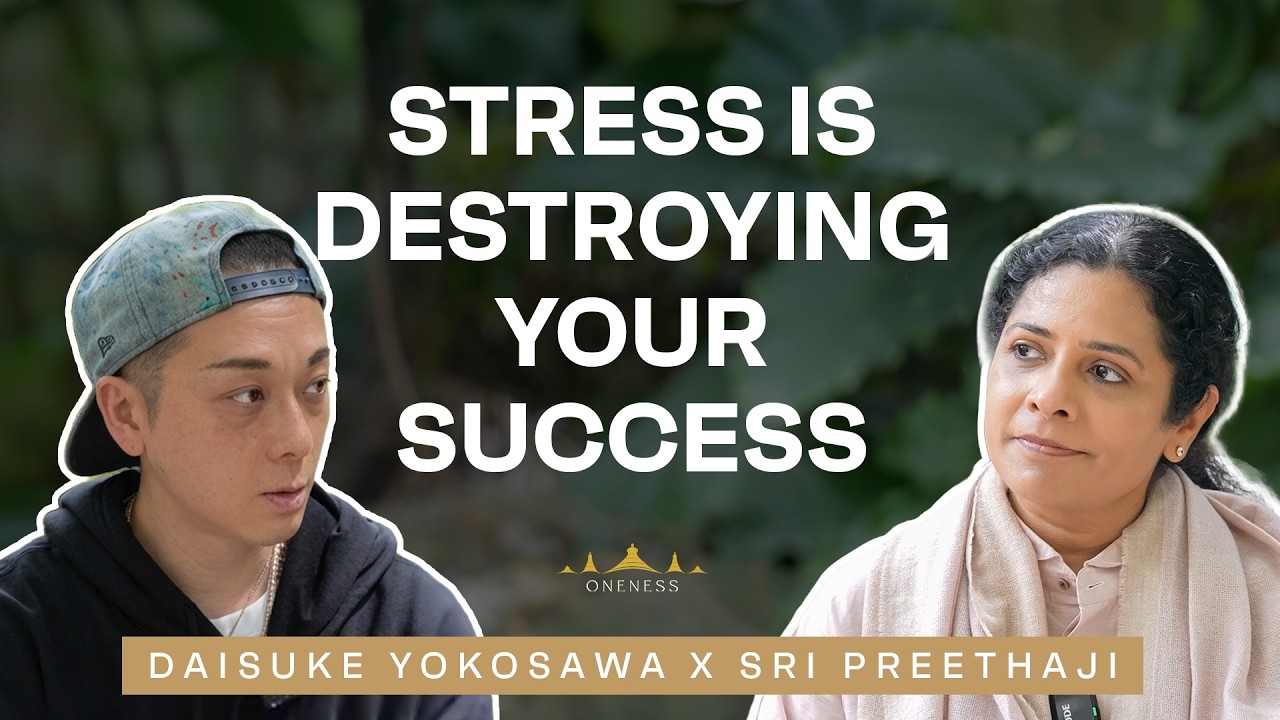
Women experience depression at roughly 2.5 times the rate men do, with a notable surge among women in their 40s and 50s turning to antidepressants. Sri Preethaji of the Oneness Movement identifies the psychological roots of this disparity not in biology alone, but in how women internalize aging, face identity loss tied to youth and appearance, and navigate societal devaluation as they move through midlife. Understanding these mechanisms—rather than treating depression as inevitable—opens space for genuine healing.

Leer · 7 secciones

Why Is Depression More Common in Women?

The statistics are stark: women are diagnosed with depression at rates significantly higher than men. While biological factors like hormonal fluctuations play a role, Sri Preethaji's teaching points to a deeper psychological architecture that makes women particularly vulnerable to depressive states during midlife transitions.

The vulnerability is not random. It clusters around specific life stages and psychological conditions. Women in their 40s and 50s are increasingly reaching for antidepressants—a trend that suggests something systemic is happening to the female psyche during this period, not simply a medical condition requiring pharmaceutical intervention.

What Is the Role of Aging and Identity in Female Depression?

Sri Preethaji emphasizes that the struggle with aging in women is fundamentally tied to identity. In many cultures, a woman's identity has been historically anchored to youth, beauty, fertility, and her role as a nurturing presence—to others. As these markers naturally shift across the lifespan, many women experience a profound sense of loss.

This is not vanity. This is the collapse of a primary identity structure. When a woman has organized her sense of self around her appearance, her capacity to attract, or her maternal or caregiving role, the arrival of menopause, visible aging, or the independence of adult children can feel like annihilation. The body changes; the gaze of the world changes; and the woman herself is suddenly unfamiliar to herself.

Sri Preethaji's teaching suggests that this identity crisis precedes and often precipitates depression. The antidepressants that women reach for in their 40s and 50s are, in many cases, medicating a spiritual and existential problem—not primarily a neurochemical one.

How Does Societal Devaluation Affect Women's Mental Health?

Compounding the internal identity struggle is the external reality of how women are treated as they age. Invisibility is often reported by women past 50. The cultural obsession with youth means that as a woman loses that marker, she loses social currency. She is no longer pursued, complimented, or centered in social dynamics the way she may have been.

This creates a double bind: the woman is grieving internally while also receiving constant cultural feedback that she is now less valuable. Advertising, media, and social hierarchies all reinforce that a woman's worth correlates with youth and attractiveness. When that fades, the message is clear: you matter less now.

Sri Preethaji's perspective invites us to see depression in midlife women not as a medical defect but as a rational response to irrational social structures. The mind and body are responding appropriately to a genuine loss of status, recognition, and identity coherence.

What Is the Connection Between Body Image and Depression in Women?

The toll on both mind and body that Sri Preethaji references points to a psychosomatic reality. Women don't just think their way into depression; they embody it. The struggle with an aging body—weight changes, skin changes, loss of strength or flexibility—becomes internalized as personal failure.

Many women have been conditioned since childhood to view their bodies as objects to be maintained, controlled, and presented for external approval. The aging body, by this logic, is a failure of maintenance. The woman may unconsciously blame herself for normal biological processes, creating shame and self-rejection that the body registers as real trauma.

This internal rejection of one's own physical form creates a fragmentation: the woman becomes alienated from her own body. She is at war with herself. This is exhausting. Depression, in this context, may be a collapse born from the sheer effort of self-rejection.

Why Are Women More Vulnerable Than Men to These Transitions?

The gendered nature of this vulnerability stems from how differently aging is socialized and experienced. Men, particularly in Western culture, often gain status, authority, and cultural visibility as they age. The older man is seen as distinguished, experienced, powerful. An older woman is often seen as irrelevant.

Additionally, women have historically been encouraged to define themselves through relationships—to their partners, children, and extended family. When those roles shift (children leave, partners change, social obligations decrease), a woman can be left with a vacuum where her identity used to be. Men more often maintain identity continuity through work, authority, and achievement across the lifespan.

Sri Preethaji's teaching suggests that the higher rates of female depression in midlife reflect not female weakness but female socialization. Women have been asked to organize their entire identities around markers that are guaranteed to fade. Men, by contrast, have been asked to organize identity around things that often accumulate with time.

What Antidepressant Use Reveals About Women's Mental Health

The surge in antidepressant use among women in their 40s and 50s is both a symptom and a statement. It reveals that something significant is happening psychologically during this transition. While medication can provide relief and should never be dismissed, the widespread normalization of antidepressants in this demographic may also obscure the real issue: the need for a fundamental shift in how women conceive of themselves and are conceived of by culture.

A woman taking an antidepressant at age 45 may indeed need it. But she may also need permission to grieve her losses, to redefine herself without the framework of youth and beauty, to find new sources of identity and meaning that don't depend on external validation.

Where to Go From Here

Sri Preethaji's teaching offers a path beyond symptom management. Rather than accepting depression as inevitable or medicating it as a disease, women—and the cultures that shape them—can begin to question the identity structures that make aging so psychologically devastating.

This might mean consciously building identity around wisdom, agency, creativity, and authentic self-knowledge rather than appearance. It might mean examining the internalized shame and self-rejection that aging triggers. It might mean building relationships and communities where women are valued across the full span of their lives, not just in youth.

For women currently struggling with depression in midlife, recognizing that this is not a personal neurochemical failure but a response to real psychological and social conditions is itself healing. From there, the work becomes not just managing symptoms but reconstructing a self that can remain whole across all of life's seasons.

Comments

Loading the conversation…

Oneness Movement
Artist
Oneness Movement

Watch more from Oneness Movement on YouTube.

Sitio web
Explorar temas
Depression-womenMidlife-agingIdentity-lossFemale-mental-healthBody-image

¿Tienes Preguntas?

Preguntas Frecuentes

Women face higher depression rates due to identity structures built around youth, beauty, and caregiving roles—markers that naturally fade with age. Additionally, women experience cultural devaluation as they age, while men often gain status and authority, making midlife transitions psychologically destabilizing for women in ways they are not for men.
Menopause and aging trigger an identity crisis for many women whose sense of self has been anchored to youth, fertility, or attractiveness. Combined with hormonal shifts, invisibility in social settings, and internal body rejection, this creates conditions for depression that often first appear in women's 40s and 50s.
While antidepressants can provide relief, they address symptoms rather than root causes. Women's depression in midlife often reflects real psychological and social losses—identity collapse and cultural devaluation—that medication alone cannot resolve. Healing requires examining internalized shame about aging and rebuilding identity beyond appearance.
Women conditioned to view their bodies as objects for external approval experience aging as personal failure. Self-rejection of an aging body creates internal fragmentation and alienation from one's physical form, leading to exhaustion and depressive collapse from the effort of ongoing self-rejection.
Men's status, authority, and cultural visibility often increase with age, while women's typically decrease. Additionally, women have been socialized to define identity through relationships and appearance—factors that shift dramatically in midlife—while men more often maintain identity continuity through work and achievement.
As women age past 50, they often report becoming socially invisible—receiving less attention, recognition, and cultural validation. This external loss of value compounds internal identity confusion, creating a double bind where women grieve internally while receiving constant cultural messages that they matter less.
Yes, according to Sri Preethaji's teaching. Building identity around wisdom, agency, creativity, and authentic self-knowledge rather than appearance, and examining internalized shame about aging, can help women remain psychologically whole across all life stages rather than experiencing identity collapse in midlife.

Seguir leyendo

More on Inspiration

Ver Todo
Leader's Edge: Power Without Stress or Burnout
Inspire

Leader's Edge: Power Without Stress or Burnout

True leadership excellence comes from a calm state of mind, not from stress-driven hustle. Learn why a leader's real edge depends on the men…

1 min read
Inner State Over Stress: Why Clarity Drives Leadership
Inspire

Inner State Over Stress: Why Clarity Drives Leadership

True leadership emerges from inner calm and clarity, not stress. Learn why sustainable success requires vision for both your organization an…

1 min read
Govinda Jaya: How Sacred Sound Awakens the Heart
Inspire

Govinda Jaya: How Sacred Sound Awakens the Heart

Radhika Das channels the liberating power of mantra through a luminous kirtan performance at Medicine Festival, invoking divine names to pur…

1 min read
Om Namah Shivaya Chant: Ecstatic Trance Meditation
Inspire

Om Namah Shivaya Chant: Ecstatic Trance Meditation

Jai Uttal guides listeners into an ecstatic chant trance with Om Namah Shivaya, the Sanskrit invocation of Shiva consciousness. A 91-second …

1 min read

Sigue explorando

Continúa tu camino

Más sabiduría y encuentros de todo el directorio de BrightStar.

Más artículos

Recorre la biblioteca completa de enseñanzas, entrevistas y guías.

Ver todos los artículos →

Maestros y artistas

Explora los linajes, músicos y guías del mundo consciente.

Explorar artistas →

Encuentra un evento

Kirtan, retiros, baños de sonido, breathwork, festivales — muy pronto.

Ver eventos →