SportsCampFinder

Ver Todos los Camps

Find the perfect camp for your athlete

camps

Basketball Camps
Soccer Camps
Baseball Camps
Football Camps
Volleyball Camps
Lacrosse Camps
Multi-Sport Camps
Elite Training
Overnight Camps
Day Camps
Destinos Populares
BaliSedonaLos AngelesCosta RicaNew YorkSan FranciscoAustinMiamiJoshua TreeTulum
Ver Todas las CategoríasVer Todos los Destinos

Explorar Todas las Características

Herramientas poderosas para hacer crecer tus eventos

Características de la Plataforma

Precios Dinámicos Inteligentes
Categorías de Entradas
Asientos Asignados
Recuperación de Carritos
Recuperación de Visitantes
Donaciones y Escala Móvil
Motor de Afiliados
Escáner de Entradas
Códigos de Cupón
Preguntas Personalizadas
Compartir Entradas
Ventas Adicionales
Análisis e Informes
Secuencias de Email
Lista de Espera / Notificar / Recordar
Personas y Lugares
Camp OrganizersCamp FacilitiesKnowledge BaseInspiration
Ver Todas las CaracterísticasSobre Nosotros
PreciosBlog
Language
Saved events
Ver Todos los Eventos

camps

Basketball CampsSoccer CampsBaseball CampsFootball CampsVolleyball CampsLacrosse CampsMulti-Sport CampsElite Training

Destinos Populares

BaliSedonaLos AngelesCosta RicaNew YorkSan Francisco

Personas y Lugares

Camp OrganizersCamp FacilitiesKnowledge BaseInspiration

Características de la Plataforma

Precios Dinámicos InteligentesCategorías de EntradasAsientos AsignadosRecuperación de CarritosRecuperación de VisitantesDonaciones y Escala MóvilMotor de AfiliadosEscáner de EntradasCódigos de CupónPreguntas PersonalizadasCompartir EntradasVentas AdicionalesAnálisis e InformesSecuencias de EmailLista de Espera / Notificar / Recordar
Ver Todas las CaracterísticasSobre Nosotros
PreciosBlog
Iniciar sesiónParents & athletesCamp directors
  • Browse all camps
  • Basketball Camps
  • Soccer Camps
  • Baseball Camps
  • Football Camps
  • Volleyball Camps
  • Lacrosse Camps
  • Multi-Sport Camps
  • Elite Training
  • All sports →
  • Orlando
  • Los Angeles
  • New York Metro
  • Dallas / Fort Worth
  • Chicago
  • Phoenix / Scottsdale
  • Atlanta
  • Denver
  • Seattle
  • Boston
  • Houston
  • Philadelphia
  • San Diego
  • Minneapolis / St. Paul
  • Todas las Ciudades →
  • List your camp
  • Camp director dashboard
  • Pricing
  • Coaches & academies
  • Online registration & payments
  • Waivers & medical forms
  • Check-in app
  • Family messaging
  • Waitlist & notify
  • Camp marketing
  • Reports
  • All features →
  • About SportsCampFinder
  • Camp guides
  • Help Center
  • Contact
  • Careers
  • Press
  • Términos de Servicio
  • Política de Privacidad

Camps

  • Browse all camps
  • Basketball Camps
  • Soccer Camps
  • Baseball Camps
  • Football Camps
  • Volleyball Camps
  • Lacrosse Camps
  • Multi-Sport Camps
  • Elite Training
  • All sports →

Destinos

  • Orlando
  • Los Angeles
  • New York Metro
  • Dallas / Fort Worth
  • Chicago
  • Phoenix / Scottsdale
  • Atlanta
  • Denver
  • Seattle
  • Boston
  • Houston
  • Philadelphia
  • San Diego
  • Minneapolis / St. Paul
  • Todas las Ciudades →

Para Camp directors

  • List your camp
  • Camp director dashboard
  • Pricing
  • Coaches & academies

Características

  • Online registration & payments
  • Waivers & medical forms
  • Check-in app
  • Family messaging
  • Waitlist & notify
  • Camp marketing
  • Reports
  • All features →

Empresa

  • About SportsCampFinder
  • Camp guides
  • Help Center
  • Contact
  • Careers
  • Press
  • Términos de Servicio
  • Política de Privacidad
SportsCampFinder
© 2026 SportsCampFinder. Todos los derechos reservados.
Inspiration

Forgiveness as Releasing the Past:Jack Kornfield on Mercy

Be Here Now Network
Be Here Now Network
Sep 5, 2025
6 min de lectura

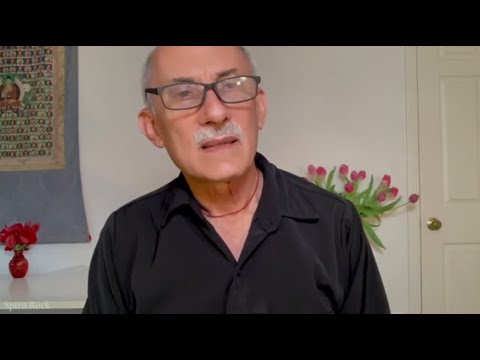
Jack Kornfield defines forgiveness not as condoning harm or reconstructing a relationship, but as the radical reorientation of the heart that comes from giving up all hope for a better past. This shift from resistance to acceptance is where genuine mercy dwells—not as sentiment, but as freedom from the weight of resentment and the fantasy that reality could have been different. Forgiveness, in this view, is less about the other person and more about liberating yourself from the prison of unhealed grievance.

Leer · 6 secciones

What Does Forgiveness Actually Mean?

Jack Kornfield's definition of forgiveness—"giving up all hope for a better past"—cuts through the sentimentality often associated with the word. Most people hear "forgiveness" and think of reconciliation, absolution, or a warm reunion. Kornfield points elsewhere. He is describing a psychological and spiritual reorientation that begins when you stop arguing with what has already happened.

This definition works because it names the real barrier to forgiveness: the part of the mind that refuses to accept reality as it was. When you hold a grudge, you are, in some sense, replaying the past and insisting that it should have gone differently. You may rehearse what you wish you had said, or imagine the other person finally admitting wrongdoing, or fantasize about vindication. All of these are forms of hope—hope that the past can be revised. Forgiveness arrives when that hope exhausts itself.

Kornfield, who trained as a Buddhist monk under masters like Ajahn Chah in Thailand and the Mahasi Sayadaw in Burma, brings the precision of contemplative psychology to this teaching. In Buddhist practice, the core obstacle to peace is not wrongdoing itself but the mind's refusal to let go of it. Forgiveness is the release of that refusal.

How Does Mercy Differ From Forgiveness?

The title of Kornfield's teaching pairs forgiveness with mercy, suggesting they are related but distinct. Forgiveness is the internal reorientation—the shift from resistance to acceptance. Mercy is the light, the warmth, the actual freedom that becomes possible once that resistance dissolves.

Mercy is what you feel when you are no longer bound by the story of what was done to you. It is not sentimentality or soft-heartedness; it is the natural human response that arises in the absence of hardness. When you stop arguing with the past, the heart softens not because you decide to be nice, but because the tension that defended against pain finally releases. In that release, compassion—for yourself and often for the other person too—becomes possible.

Kornfield's language of "light" is significant. Forgiveness work can feel heavy, like excavating old wounds. But the actual destination is lightness. Mercy is the illumination that comes from no longer carrying the weight of grievance.

Why Is Releasing Hope for a Better Past So Hard?

The paradox of forgiveness is that it requires accepting a reality you never wanted. On some level, holding onto anger or resentment feels like holding onto hope—hope that justice will be served, that the other person will understand, that somehow your suffering will be redeemed by them finally acknowledging it. To forgive is to surrender that hope.

This is difficult because:

  • Identity: People sometimes organize their identity around what was done to them. Releasing the grievance can feel like losing a core part of self.
  • Justice: The mind equates forgiveness with letting the other person off the hook. There is a belief that your anger is the only thing holding them accountable.
  • Control: As long as you are angry, you feel you have some say in the situation. Acceptance feels like powerlessness.
  • Protection: Anger and resentment create distance from the person who hurt you. Forgiveness feels risky because it softens the boundary.

Kornfield's teaching addresses this: forgiveness is not about any of those things. It is not about justice (the legal system and karma handle that), not about the other person's redemption, not about reunion. It is only about freeing yourself from the mental habit of wishing the past were different.

How Can You Practice Forgiveness?

While the 2.5-minute video clip does not outline a step-by-step method, Kornfield's broader teaching on forgiveness emphasizes honest acknowledgment of harm and the gradual reorientation of the heart. The work is not about forcing yourself to feel benevolent toward the person who hurt you. Instead, it involves:

  • Naming the hurt: Clearly seeing what happened and how it affected you, without minimizing it.
  • Releasing the fantasy: Noticing whenever the mind goes to "if only" or "they should have," and gently letting it go, again and again.
  • Returning to now: Recognizing that the harm is in the past and you are alive in the present moment.
  • Allowing the heart to soften: Not forcing compassion, but creating the conditions for it to arise naturally as resistance falls away.

This is contemplative work, aligned with the meditation practice Kornfield has taught since 1974. It is not a technique that produces instant results but a reorientation of attention and intention that unfolds over time.

What Is the Relationship Between Forgiveness and Freedom?

Kornfield's teaching suggests that forgiveness and freedom are not two separate things—they are one process. As long as you are bound by hope for a better past, you are imprisoned by that hope. Your mind is stuck. Your heart is armored. Your energy goes into replaying and resisting rather than into life as it is now.

Mercy is the light that breaks through that prison. It is not a moral achievement or a sign of spiritual advancement. It is simply what becomes possible when the mind releases its grip on what cannot be changed.

This teaching is radical because it removes forgiveness from the realm of virtue ethics—where forgiveness is something you should do to be a good person—and places it in the realm of psychological freedom. You forgive not because it is noble but because clinging to the past makes you suffer.

Where to Go From Here

If Kornfield's definition of forgiveness resonates, his broader course "Opening the Heart of Forgiveness," available through his online platform, offers guided practices and deeper exploration. His books, including The Wise Heart and A Path with Heart, weave forgiveness work into a larger framework of Buddhist psychology and contemplative living.

The immediate practice is simple: notice where you are arguing with the past. Notice the "if only" and the "they should have." Each time you notice, you have an opportunity to choose differently—to accept what was and to return your full attention to what is. That return is itself the beginning of mercy.


Comments

Loading the conversation…

Be Here Now Network
ArtistBe Here Now Network

Be Here Now Network is the creator of Heart Wisdom with Jack Kornfield, a podcast exploring consciousness, spirituality, and personal transformation. With 313 episodes, they have c…

Ver perfilSitio web
Explorar temas
Forgiveness-practiceMercyLetting-goBuddhist-psychologyJack-kornfield

¿Tienes Preguntas?

Preguntas Frecuentes

It means releasing the mind's habit of replaying old events and wishing they had gone differently. Instead of mentally arguing with what happened, you accept reality as it was. This acceptance is not resignation—it is the psychological shift that frees you from the burden of grievance.
No. Forgiveness is an internal reorientation of your own heart; reconciliation is a relational act that may or may not follow. You can forgive someone without ever seeing them again, and you can reconcile with someone whose past actions you are still processing. Forgiveness is for your freedom, not for them.
Forgiveness does not mean the harm was okay or that accountability doesn't matter. It means you have stopped letting the past control your present. The other person's actions remain what they were; your freedom from resentment about them is separate.
Yes. Forgiveness depends on your internal state, not on the other person's apology or understanding. Waiting for them to acknowledge the hurt before you release it keeps you imprisoned by their choices. Kornfield's teaching suggests forgiveness is possible regardless of whether they ever recognize what they did.
Mercy is the natural compassion and lightness that arise once forgiveness—the release of hope for a better past—takes place. It is not something you force; it is what becomes possible when the armor around your heart no longer needs to defend against old pain.
There is no fixed timeline. Forgiveness is a gradual reorientation of the mind and heart, not a single event. Each time you notice yourself arguing with the past and choose to let it go, you are practicing forgiveness. The lightness of mercy deepens with repeated return to acceptance.
No. Forgiveness is an internal shift; it does not require you to put yourself in harm's way again. You can forgive and maintain firm boundaries. In fact, releasing anger often makes your boundaries clearer because they come from clarity, not from defensiveness.

Seguir leyendo

More from Be

Ver Todo
Be Here Now: The Stranger Who Changed Everything
Inspire

Be Here Now: The Stranger Who Changed Everything

A barefoot mystic appeared at a Kathmandu restaurant in 1969 and transmitted a teaching that reshaped American spirituality. This is the ori…

1 min read
Finding the Guru: One Westerner's Journey to India
Inspire

Finding the Guru: One Westerner's Journey to India

Ram Dass recounts his 1967 pilgrimage to India seeking spiritual answers after LSD's limits became clear—a quest that led to meeting Neem Ka…

1 min read
Guided Meditation on Loving Awareness and Mindful Stillness
Inspire

Guided Meditation on Loving Awareness and Mindful Stillness

A 25-minute guided meditation teaching mindfulness of breath, body sensations, emotions, and thoughts through loving awareness and spacious …

1 min read
The Three Basic Truths: Impermanence, Suffering, and No-Self
Inspire

The Three Basic Truths: Impermanence, Suffering, and No-Self

Explore Buddhism's foundational teachings on impermanence, suffering, and no-self as gateways to liberation and freedom from identification.…

1 min read

Sigue explorando

Continúa tu camino

Más sabiduría y encuentros de todo el directorio de BrightStar.

Más artículos

Recorre la biblioteca completa de enseñanzas, entrevistas y guías.

Ver todos los artículos →

Maestros y artistas

Explora los linajes, músicos y guías del mundo consciente.

Explorar artistas →

Encuentra un evento

Kirtan, retiros, baños de sonido, breathwork, festivales — muy pronto.

Ver eventos →