SportsCampFinder

Browse All Camps

Find the perfect camp for your athlete

camps

Basketball Camps
Soccer Camps
Baseball Camps
Football Camps
Volleyball Camps
Lacrosse Camps
Multi-Sport Camps
Elite Training
Overnight Camps
Day Camps
Popular Destinations
BaliSedonaLos AngelesCosta RicaNew YorkSan FranciscoAustinMiamiJoshua TreeTulum
View All CategoriesView All Destinations

Explore All Features

Powerful tools to grow your events

Platform Features

Smart Dynamic Pricing
Ticket Categories
Assigned Seating
Abandoned Cart Recovery
Visitor Recovery
Donations & Sliding Scale
Affiliate Engine
Ticket Scanner
Coupon Codes
Custom Questions
Ticket Sharing
Upsells & Add-ons
Analytics & Reporting
Email Sequences
Waitlist / Notify / Remind
People & Places
Camp OrganizersCamp FacilitiesKnowledge BaseInspiration
View All FeaturesAbout Us
PricingBlog
Language
Saved events
Browse All Events

camps

Basketball CampsSoccer CampsBaseball CampsFootball CampsVolleyball CampsLacrosse CampsMulti-Sport CampsElite Training

Popular Destinations

BaliSedonaLos AngelesCosta RicaNew YorkSan Francisco

People & Places

Camp OrganizersCamp FacilitiesKnowledge BaseInspiration

Platform Features

Smart Dynamic PricingTicket CategoriesAssigned SeatingAbandoned Cart RecoveryVisitor RecoveryDonations & Sliding ScaleAffiliate EngineTicket ScannerCoupon CodesCustom QuestionsTicket SharingUpsells & Add-onsAnalytics & ReportingEmail SequencesWaitlist / Notify / Remind
View All FeaturesAbout Us
PricingBlog
Log inParents & athletesCamp directors
  • Browse all camps
  • Basketball Camps
  • Soccer Camps
  • Baseball Camps
  • Football Camps
  • Volleyball Camps
  • Lacrosse Camps
  • Multi-Sport Camps
  • Elite Training
  • All sports →
  • Orlando
  • Los Angeles
  • New York Metro
  • Dallas / Fort Worth
  • Chicago
  • Phoenix / Scottsdale
  • Atlanta
  • Denver
  • Seattle
  • Boston
  • Houston
  • Philadelphia
  • San Diego
  • Minneapolis / St. Paul
  • All Cities →
  • List your camp
  • Camp director dashboard
  • Pricing
  • Coaches & academies
  • Online registration & payments
  • Waivers & medical forms
  • Check-in app
  • Family messaging
  • Waitlist & notify
  • Camp marketing
  • Reports
  • All features →
  • About SportsCampFinder
  • Camp guides
  • Help Center
  • Contact
  • Careers
  • Press
  • Terms of Service
  • Privacy Policy

Camps

  • Browse all camps
  • Basketball Camps
  • Soccer Camps
  • Baseball Camps
  • Football Camps
  • Volleyball Camps
  • Lacrosse Camps
  • Multi-Sport Camps
  • Elite Training
  • All sports →

Destinations

  • Orlando
  • Los Angeles
  • New York Metro
  • Dallas / Fort Worth
  • Chicago
  • Phoenix / Scottsdale
  • Atlanta
  • Denver
  • Seattle
  • Boston
  • Houston
  • Philadelphia
  • San Diego
  • Minneapolis / St. Paul
  • All Cities →

For Camp directors

  • List your camp
  • Camp director dashboard
  • Pricing
  • Coaches & academies

Features

  • Online registration & payments
  • Waivers & medical forms
  • Check-in app
  • Family messaging
  • Waitlist & notify
  • Camp marketing
  • Reports
  • All features →

Company

  • About SportsCampFinder
  • Camp guides
  • Help Center
  • Contact
  • Careers
  • Press
  • Terms of Service
  • Privacy Policy
SportsCampFinder
© 2026 SportsCampFinder. All rights reserved.
Back to Drala Mountain Center
History

The History of Drala Mountain Center
3 min readMay 2026at Drala Mountain Center
The History of Drala Mountain Center

The History of Drala Mountain Center

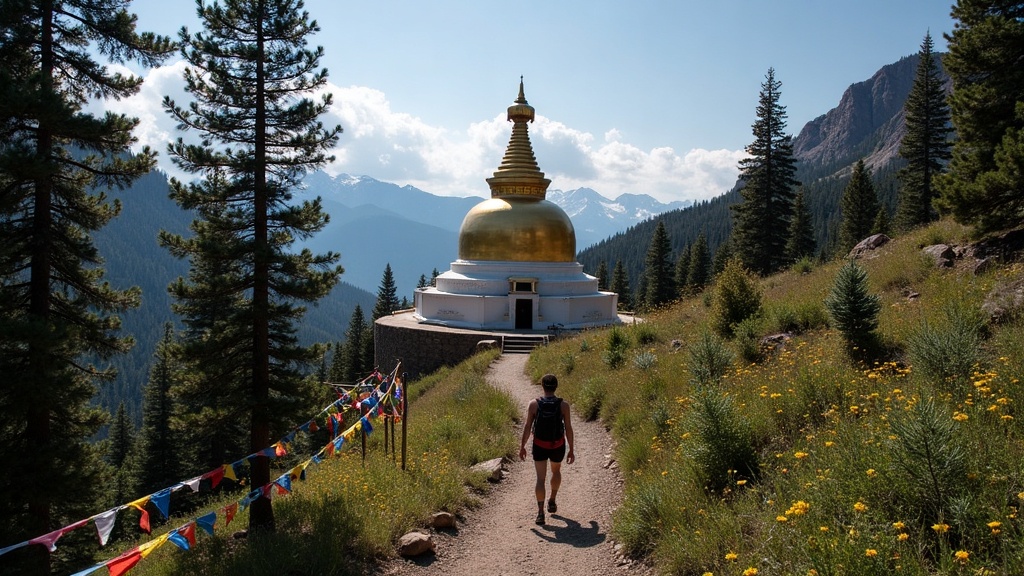
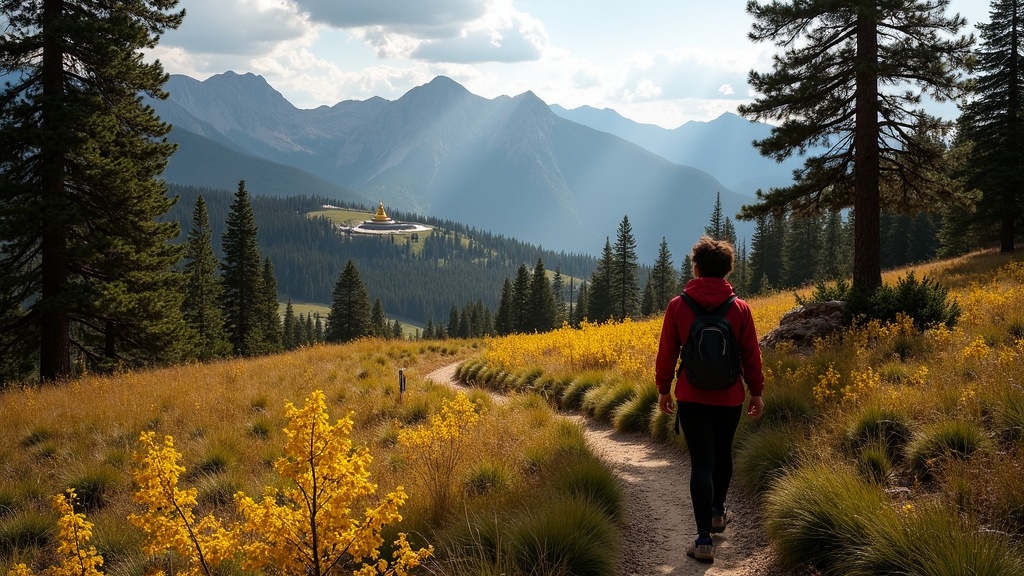
In the high valley of Red Feather Lakes, an hour northwest of Fort Collins, Colorado, a retreat center took shape at the turn of the millennium. What began as Shambhala Mountain Center in 2000 has evolved into Drala Mountain Center, a 600-acre sanctuary where contemplative practice meets the stark clarity of mountain air at 8,600 feet.

Roots in the Shambhala Lineage

The center's founding grew from the Shambhala Buddhist tradition established by Chögyam Trungpa Rinpoche, a Tibetan meditation master who brought Tibetan Buddhism to the West in the 1970s. Trungpa Rinpoche's teachings emphasized "basic goodness"—the idea that human nature is fundamentally awake and enlightened—and developed what he called Shambhala warriorship, a secular path of bravery and mindfulness applicable beyond traditional Buddhist frameworks.

When Shambhala Mountain Center opened in 2000, it joined a network of centers and practice communities worldwide rooted in this lineage. The location itself spoke to the tradition's values: remote enough for genuine retreat, elevated enough that the body registers the thinning air as reminder of effort and attention.

The Great Stupa and Physical Development

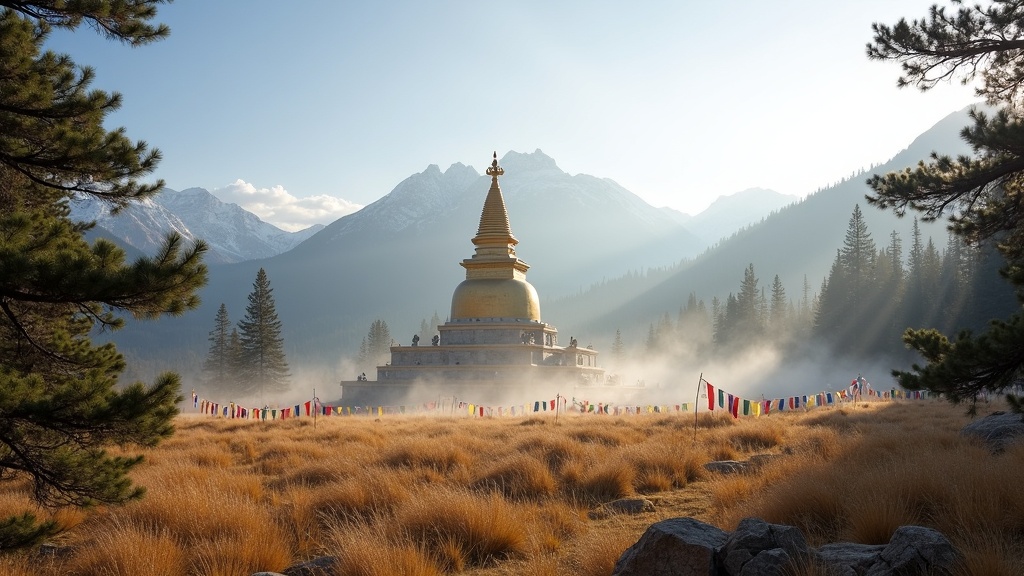
The center's most visible landmark, the Great Stupa of Dharmakaya, rises 108 feet from Marpa Meadow, its gilded spire catching afternoon light against ponderosa pines. The stupa—a traditional Buddhist monument symbolizing enlightened mind—became both architectural anchor and spiritual center for the property. Around it, the infrastructure of contemplative life developed: yurts and lodges for housing, meditation halls for group practice, a dining hall for vegetarian meals served family-style, and dirt paths threaded with prayer flags connecting the scattered buildings.

The scale of the land allowed for variety in practice. Month-long silent retreats called dathün could run through harsh Colorado winters. Weekend programs could accommodate families. Practitioners could choose between the intensity of shrine room sessions and solitary walks through high meadow where ravens circle and the Milky Way emerges most nights.

Programming and Evolution

From its earliest years, the center balanced traditional Shambhala Buddhist offerings with broader contemplative programming. Core practices included shamatha meditation and walking meditation in morning sessions. More advanced practitioners could receive vajrayana empowerments, participating in the tantric practices of Tibetan Buddhism. Teachings on Shambhala warriorship drew both committed Buddhists and those seeking secular wisdom about courage and presence.

As the center matured, programming expanded beyond strictly Buddhist frameworks. Yoga intensives found a home alongside meditation retreats. Leadership trainings emerged, weaving contemplative practice into group facilitation and organizational development. Family programs acknowledged that spiritual life doesn't exist separate from the complexities of relationships and child-rearing.

A Name Change and Its Context

The most significant shift came in 2022, when Shambhala Mountain Center became Drala Mountain Center. The name change reflected broader turbulence within the Shambhala community. While the center maintains its roots in the Shambhala Buddhist lineage and continues to honor Chögyam Trungpa Rinpoche's teachings, the rebranding signaled institutional evolution—a 501(c)(3) educational nonprofit navigating its own identity amid changing contexts.

"Drala" itself comes from Shambhala vocabulary, referring to elemental energy or presence beyond ego. The term suggests encounter with natural wakefulness, often experienced in mountains, winds, and undomesticated places. The renaming thus preserved connection to tradition while establishing some distance, creating space for the center to define itself on its own terms.

The Center Today

Today, Drala Mountain Center operates as an independent retreat facility offering diverse programming rooted in contemplative practice. The altitude still announces itself—breath comes short, especially for newcomers. The stupa still catches afternoon light. Between formal sessions, practitioners still walk meadow paths or sit in silence while the wind moves through pines.

The center continues to serve both long-term Buddhist practitioners and those newly curious about meditation. Lodging options range from shared dormitories to private cabins, accommodating various budgets and needs for solitude. The remote location remains central to the experience: far enough from city light that the night sky offers its own teaching about vastness and perspective.

In a landscape where spiritual communities nationwide reckon with institutional history, leadership accountability, and evolving relationships to tradition, Drala Mountain Center sits at the intersection of continuity and change—600 acres of high valley holding space for the practices that brought people here, and for whatever comes next.
More about Drala Mountain Center

Best Time to Visit Drala Mountain Center: A Seasonal Guide
Seasonal Guide

Best Time to Visit Drala Mountain Center: A Seasonal Guide

Perched at 8,600 feet in the Colorado Rockies, Drala Mountain Center experiences the mountains' moods in full. The Great Stupa gleams differ…

4 min read
Your First Visit to Drala Mountain Center: What to Expect
First Visit Guide

Your First Visit to Drala Mountain Center: What to Expect

The drive up to Drala Mountain Center is part of the transition. An hour northwest of Fort Collins, you'll wind through ponderosa forests an…

5 min read
Inside the Drala Mountain Center Daily Schedule
Daily Rhythm

Inside the Drala Mountain Center Daily Schedule

The wake-up bell at Drala Mountain Center rings at 6:30 AM, though some mornings you're already awake—the altitude at 8,600 feet makes sleep…

3 min read
Best Programs at Drala Mountain Center for Beginners
For Beginners

Best Programs at Drala Mountain Center for Beginners

The fear is usually about belonging—whether you'll be the only one who doesn't know the chants, the only one fidgeting during meditation, th…

4 min read

Keep exploring

Continue your journey

More from Drala Mountain Center and across the BrightStar directory.

Back to Drala Mountain Center

Return to the full venue profile — events, artists, guides, and more.

Back to venue →

Discover More Venues

Browse retreat centers, festivals, and sacred spaces across the conscious world.

Explore venues →

Find an Event

Kirtan, retreats, sound baths, breathwork, festivals — happening soon.

Browse events →