SportsCampFinder

Browse All Camps

Find the perfect camp for your athlete

camps

Basketball Camps
Soccer Camps
Baseball Camps
Football Camps
Volleyball Camps
Lacrosse Camps
Multi-Sport Camps
Elite Training
Overnight Camps
Day Camps
Popular Destinations
BaliSedonaLos AngelesCosta RicaNew YorkSan FranciscoAustinMiamiJoshua TreeTulum
View All CategoriesView All Destinations

Explore All Features

Powerful tools to grow your events

Platform Features

Smart Dynamic Pricing
Ticket Categories
Assigned Seating
Abandoned Cart Recovery
Visitor Recovery
Donations & Sliding Scale
Affiliate Engine
Ticket Scanner
Coupon Codes
Custom Questions
Ticket Sharing
Upsells & Add-ons
Analytics & Reporting
Email Sequences
Waitlist / Notify / Remind
People & Places
Camp OrganizersCamp FacilitiesKnowledge BaseInspiration
View All FeaturesAbout Us
PricingBlog
Language
Saved events
Browse All Events

camps

Basketball CampsSoccer CampsBaseball CampsFootball CampsVolleyball CampsLacrosse CampsMulti-Sport CampsElite Training

Popular Destinations

BaliSedonaLos AngelesCosta RicaNew YorkSan Francisco

People & Places

Camp OrganizersCamp FacilitiesKnowledge BaseInspiration

Platform Features

Smart Dynamic PricingTicket CategoriesAssigned SeatingAbandoned Cart RecoveryVisitor RecoveryDonations & Sliding ScaleAffiliate EngineTicket ScannerCoupon CodesCustom QuestionsTicket SharingUpsells & Add-onsAnalytics & ReportingEmail SequencesWaitlist / Notify / Remind
View All FeaturesAbout Us
PricingBlog
Log inParents & athletesCamp directors
  • Browse all camps
  • Basketball Camps
  • Soccer Camps
  • Baseball Camps
  • Football Camps
  • Volleyball Camps
  • Lacrosse Camps
  • Multi-Sport Camps
  • Elite Training
  • All sports →
  • Orlando
  • Los Angeles
  • New York Metro
  • Dallas / Fort Worth
  • Chicago
  • Phoenix / Scottsdale
  • Atlanta
  • Denver
  • Seattle
  • Boston
  • Houston
  • Philadelphia
  • San Diego
  • Minneapolis / St. Paul
  • All Cities →
  • List your camp
  • Camp director dashboard
  • Pricing
  • Coaches & academies
  • Online registration & payments
  • Waivers & medical forms
  • Check-in app
  • Family messaging
  • Waitlist & notify
  • Camp marketing
  • Reports
  • All features →
  • About SportsCampFinder
  • Camp guides
  • Help Center
  • Contact
  • Careers
  • Press
  • Terms of Service
  • Privacy Policy

Camps

  • Browse all camps
  • Basketball Camps
  • Soccer Camps
  • Baseball Camps
  • Football Camps
  • Volleyball Camps
  • Lacrosse Camps
  • Multi-Sport Camps
  • Elite Training
  • All sports →

Destinations

  • Orlando
  • Los Angeles
  • New York Metro
  • Dallas / Fort Worth
  • Chicago
  • Phoenix / Scottsdale
  • Atlanta
  • Denver
  • Seattle
  • Boston
  • Houston
  • Philadelphia
  • San Diego
  • Minneapolis / St. Paul
  • All Cities →

For Camp directors

  • List your camp
  • Camp director dashboard
  • Pricing
  • Coaches & academies

Features

  • Online registration & payments
  • Waivers & medical forms
  • Check-in app
  • Family messaging
  • Waitlist & notify
  • Camp marketing
  • Reports
  • All features →

Company

  • About SportsCampFinder
  • Camp guides
  • Help Center
  • Contact
  • Careers
  • Press
  • Terms of Service
  • Privacy Policy
SportsCampFinder
© 2026 SportsCampFinder. All rights reserved.
Back to The Bhakti Center
History

The History of The Bhakti Center
3 min readMay 2026at The Bhakti Center
The History of The Bhakti Center

The History of The Bhakti Center

A Basement Sanctuary in Manhattan

In 2011, a group of practitioners rooted in the Gaudiya Vaishnava tradition opened The Bhakti Center on First Avenue in Manhattan. Their vision was modest but deliberate: create a committed space where kirtan—devotional chanting—could be practiced as spiritual discipline rather than cultural performance. In a city where yoga studios multiplied and meditation went mainstream, the founders sought something more grounded in lineage, something that honored the sixteen-century tradition of Bengali devotional practice without diluting it for contemporary consumption.

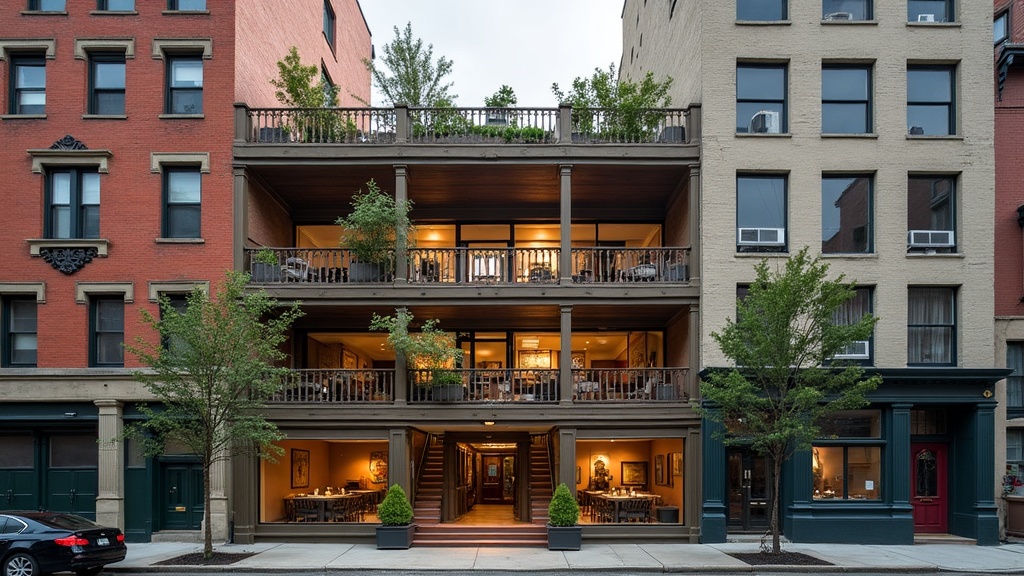
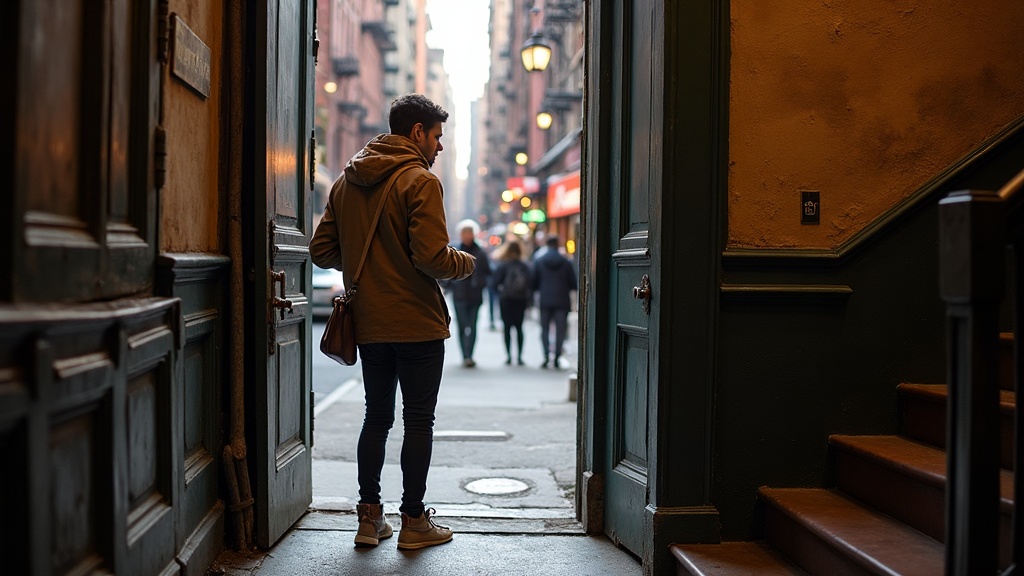
The location itself reflected this intention. Not a storefront showcase, but a basement accessed through an unassuming door. Descending the stairs meant leaving behind the urban soundtrack of sirens and traffic for the steady drone of harmonium and the bright metallic ring of kartals. The space announced its priorities: this was a place for practice, not spectacle.

Lineage and Leadership

The Bhakti Center emerged from the Gaudiya Vaishnava lineage, a devotional tradition dating back to the sixteenth-century Bengali saint Chaitanya Mahaprabhu. This tradition emphasizes bhakti—loving devotion to Krishna—expressed primarily through congregational chanting of the holy names. The center's founders were trained practitioners who had studied with teachers in this unbroken chain of spiritual transmission, bringing both authenticity and adaptability to their work in New York.

Among the center's key figures is Jagadananda Das, whose voice and leadership have shaped the institution's musical and spiritual character. With training in classical Indian music, he leads much of the evening kirtan, drawing from Bengali and Sanskrit melodic traditions. His approach embodies the center's ethos: maintaining the integrity of traditional forms while making them accessible to Western practitioners new to the chants.

Building Community Through Practice

From its founding, The Bhakti Center established a rhythm of regular practice. Evening kirtan sessions occur three nights weekly, attracting a cross-section of Manhattan life—students and retirees, professionals still in work clothes, longtime practitioners and curious newcomers. The room fills, and voices join in call-and-response: Hare Krishna, Hare Rama. The repetition itself becomes the teaching, a form of active listening rather than mindless recitation.

Between chanting sessions, the center developed an educational program. Classes in Bhagavad Gita study, meditation techniques, and bhakti philosophy are taught by resident teachers who bridge ancient texts and contemporary questions. After most gatherings, meals are served freely from the community kitchen: daal, sabji, rice, prepared and offered in the spirit of prasadam, sanctified food shared as blessing.

The center also expanded beyond its basement origins, establishing a small hostel on the upper floors. This addition transformed the institution from a part-time practice space into a residential community, accommodating practitioners seeking immersive experience and visitors wanting to stay within walking distance of their spiritual practice.

Evolution and Identity

Over its years of operation, The Bhakti Center has navigated the particular tensions of maintaining a traditional devotional practice in contemporary Manhattan. The challenge isn't simply logistical—though accommodating three-night-weekly gatherings in expensive New York real estate is no small feat—but philosophical: how to remain faithful to a lineage-based tradition while welcoming seekers unfamiliar with Sanskrit chants or Hindu philosophy.

The center's approach has been to prioritize depth over breadth. Rather than expanding rapidly or franchising its model, it has focused on creating a stable, committed community. The regular practitioners who return week after week become the living continuity of the tradition, their voices carrying the chants forward just as previous generations have done.

Present Day

Today, The Bhakti Center occupies a unique position in New York's spiritual landscape. While yoga studios commodified and secularized Indian practices, and meditation apps abstracted ancient techniques into productivity tools, the center has maintained its devotional core. It remains a place where practice trumps packaging, where the work is internal transformation rather than social performance.

The basement door on First Avenue still opens onto that different register of sound. Above street level, the city accelerates. Below, the harmonium drones, the kartals ring, and voices continue the call-and-response that has persisted for half a millennium. In a metropolis defined by constant reinvention, The Bhakti Center offers something rarer: continuity, tradition, and the transformative power of devotional practice practiced with integrity.

More about The Bhakti Center

Your First Visit to The Bhakti Center: What to Expect
First Visit Guide

Your First Visit to The Bhakti Center: What to Expect

The Bhakti Center sits on First Avenue in Manhattan, and your first clue that you've arrived is the basement entrance—a doorway that signals…

5 min read
Best Time to Visit The Bhakti Center: A Seasonal Guide
Seasonal Guide

Best Time to Visit The Bhakti Center: A Seasonal Guide

The basement sanctuary on First Avenue maintains its devotional rhythm year-round, but the experience of descending those stairs shifts with…

4 min read
Inside the The Bhakti Center Daily Schedule
Daily Rhythm

Inside the The Bhakti Center Daily Schedule

The Bhakti Center doesn't operate on the retreat model—there are no multi-day immersions where you surrender your phone and disappear from t…

3 min read
Best Programs at The Bhakti Center for Beginners
For Beginners

Best Programs at The Bhakti Center for Beginners

Your fear is that you'll sit down wrong. That everyone will know you're faking it. That the moment you mispronounce a Sanskrit word, the ent…

4 min read

Keep exploring

Continue your journey

More from The Bhakti Center and across the BrightStar directory.

Back to The Bhakti Center

Return to the full venue profile — events, artists, guides, and more.

Back to venue →

Discover More Venues

Browse retreat centers, festivals, and sacred spaces across the conscious world.

Explore venues →

Find an Event

Kirtan, retreats, sound baths, breathwork, festivals — happening soon.

Browse events →