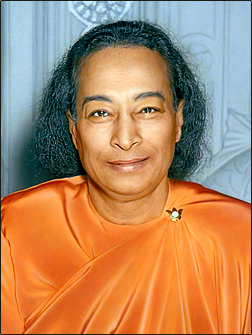
Finding Stillness Within: The Call to Inner Calm
Paramahansa Yogananda invites us to "retire to the center of your being, which is calmness." This profound statement beckons us to seek refuge in our innermost selves, a place untouched by the chaos of the external world. In a time when distractions abound and the pace of life quickens, this call to inner tranquility becomes not just a suggestion but a necessity for spiritual well-being. The stakes are high; without this retreat into calmness, we risk losing our connection to our true selves and the peace that resides within.
Yogananda's words resonate deeply in a world that often prioritizes external achievements over internal harmony. To retire to the center of our being is to embark on a journey of self-discovery and introspection, where we can cultivate a sanctuary of stillness amidst life’s storms. This inner calm is not merely a passive state; it is an active engagement with our consciousness, a deliberate choice to turn inward and nurture the essence of who we are. In doing so, we can find clarity, purpose, and a profound sense of peace that transcends the tumult of daily existence.
The image / the metaphor
The imagery in Yogananda's quote evokes a sense of retreat, a gentle withdrawal from the noise and distractions that fill our lives. The verb "retire" suggests a voluntary action, an intentional step back into a sacred space within ourselves. This center, described as "calmness," is not merely an absence of disturbance but a vibrant state of being where clarity and serenity coexist. It is a felt sense of safety and tranquility, a refuge where we can reconnect with our essence and find solace.
In the speaker's tradition
Paramahansa Yogananda's teachings are deeply rooted in the Hindu tradition, where concepts such as dharma and prajna illuminate the path to self-realization. Dharma, or one's duty and purpose, encourages us to align our actions with our true nature, while prajna, or wisdom, guides us to discern the deeper truths of existence. In this context, retiring to the center of our being becomes an act of fulfilling our dharma, as it allows us to connect with our higher selves and understand our place in the universe. This journey inward is not merely personal; it is a collective awakening to the interconnectedness of all beings.
In the Bhagavad Gita, a foundational text of Hindu philosophy, we find echoes of Yogananda's call to inner calm. The Gita teaches the importance of equanimity in the face of life's challenges, urging us to maintain a steady mind amidst the dualities of pleasure and pain. This alignment with our inner calm is essential for navigating the complexities of life, allowing us to act with clarity and purpose. Yogananda's teachings serve as a bridge to these ancient wisdoms, inviting us to explore the depths of our consciousness and embrace the stillness that lies within.
Living the teaching
Consider a modern scenario where the teachings of Yogananda can be applied: a busy professional facing the pressures of deadlines and expectations. In such moments, the call to retire to the center of one's being becomes a practical tool for managing stress. By taking a few moments to pause, breathe, and connect with that inner calm, the individual can regain clarity and perspective, transforming a potentially overwhelming situation into an opportunity for growth and resilience. This practice of returning to the center can lead to more thoughtful decision-making and a greater sense of balance in life.
In the realm of relationships, Yogananda's teaching on calmness can also be profoundly transformative. Imagine a conflict arising between partners, where emotions run high and misunderstandings abound. By each person choosing to retire to their center, they can cultivate a space of calmness that allows for more compassionate communication. This practice not only diffuses tension but also fosters deeper understanding and connection, illustrating how the inner journey can have a ripple effect on our interactions with others.
A reflection
As we contemplate Yogananda's invitation to retire to the center of our being, we are prompted to ask ourselves: What practices can I incorporate into my daily life to cultivate this inner calm? This question invites us to explore the ways we can nurture our connection to our true selves, whether through meditation, mindfulness, or simply moments of stillness throughout our day. In seeking the answers, we embark on a journey that not only enriches our own lives but also enhances our relationships with the world around us.


