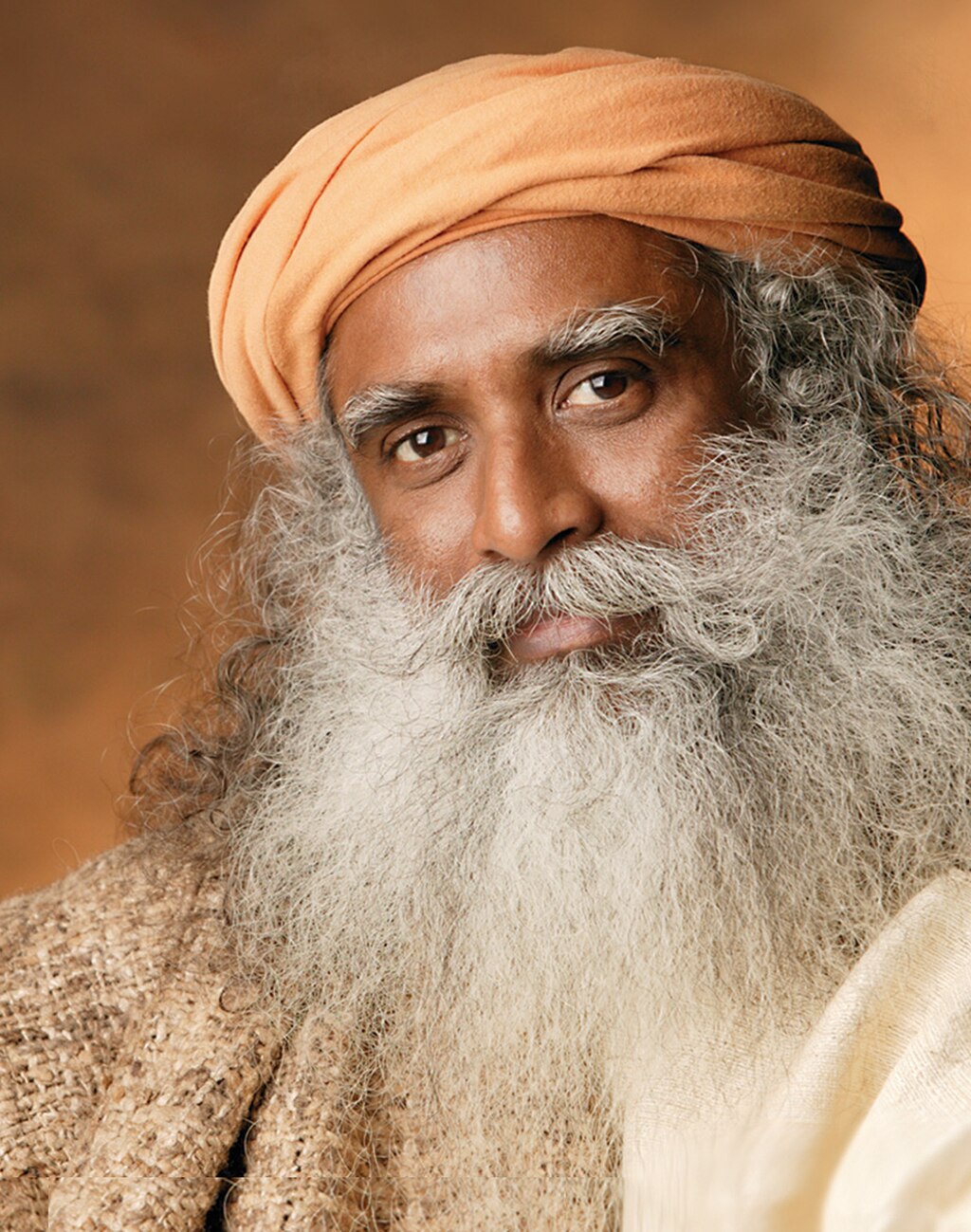
Sadhguru's assertion that "Yoga is not a workout. It is a work-in" invites us to reconsider our understanding of yoga beyond the physical realm. This statement emphasizes the transformative potential of yoga as a means of introspection and self-discovery rather than merely a series of physical exercises. In a world increasingly focused on external achievements, this perspective challenges us to delve deeper into our inner landscapes, highlighting the importance of cultivating a rich inner life.
By framing yoga as a "work-in," Sadhguru underscores the necessity of turning our attention inward, fostering a connection with our true selves. This shift in focus is crucial, as it encourages practitioners to engage with their thoughts, emotions, and spiritual essence. The implications of this teaching resonate profoundly in our contemporary lives, where the pursuit of external validation often overshadows the quest for inner peace and understanding. In this light, we are invited to explore the depths of our being, seeking not just physical flexibility but also emotional and spiritual resilience.
The image / the metaphor
The imagery in Sadhguru's quote evokes a sense of movement from the external to the internal. The term "workout" conjures images of physical exertion, sweat, and visible results, while "work-in" suggests a more subtle, introspective process. The verbs chosen—"work" and "in"—imply effort and direction, guiding us toward an inward journey that requires dedication and mindfulness. This metaphor invites us to envision yoga not as a performance but as a personal exploration, where the true gains are often invisible yet profoundly impactful.
Diving deeper into this metaphor, we can see that the "work-in" aspect of yoga encourages a redefinition of success. Instead of measuring progress by the number of poses mastered or calories burned, we are invited to assess our growth through the lens of self-awareness and emotional clarity. This shift in perspective fosters a more compassionate relationship with ourselves, allowing us to embrace vulnerability and authenticity as we navigate our inner worlds. In this way, yoga becomes a sacred practice of self-inquiry, where each breath and movement serves as a reminder of our inherent wholeness.
In the speaker's tradition
Situated within the rich tapestry of yogic philosophy, Sadhguru's teaching resonates with concepts such as dharma and prajna. Dharma, often understood as one's duty or path, emphasizes the importance of aligning our actions with our true nature, while prajna refers to the wisdom that arises from deep self-awareness. By framing yoga as a "work-in," Sadhguru invites us to engage with our dharma through introspection, fostering a deeper understanding of our purpose and place in the universe. This approach aligns with the broader yogic tradition, which emphasizes the interconnectedness of body, mind, and spirit.
Moreover, this teaching echoes the principles found in ancient texts such as the Bhagavad Gita, where the journey inward is portrayed as essential for realizing one's true self. In the Gita, Krishna guides Arjuna to look beyond the external battlefield, urging him to engage in self-reflection and discernment. This timeless wisdom reinforces the notion that true strength and clarity arise not from external victories but from an intimate understanding of oneself. Sadhguru's perspective thus serves as a contemporary reminder of these age-old teachings, urging us to cultivate our inner landscapes as a means of navigating the complexities of life.
Living the teaching
In our modern lives, the teaching that yoga is a "work-in" can manifest in various scenarios. Consider a busy professional who dedicates hours to climbing the corporate ladder, often sacrificing personal well-being in the process. By integrating the practice of yoga as a means of self-reflection, this individual can begin to carve out time for introspection amidst the chaos. Rather than merely focusing on productivity, they might engage in mindful breathing or meditation, allowing themselves to reconnect with their inner desires and motivations. This shift can lead to a more balanced approach to work and life, fostering a sense of fulfillment that transcends external achievements.
Similarly, in relationships, the concept of "work-in" can be transformative. Imagine a couple facing communication challenges, often caught in cycles of misunderstanding. By embracing yoga as a practice of self-awareness, each partner can begin to explore their own emotional landscapes, identifying triggers and patterns that influence their interactions. This inward journey not only enhances individual understanding but also cultivates empathy and compassion within the relationship. As both partners engage in their personal work, they create a space for deeper connection and healing, illustrating how the principles of yoga can enrich our most intimate bonds.
A reflection
As we contemplate Sadhguru's assertion that "Yoga is not a workout. It is a work-in," we are invited to reflect on our own practices and intentions. How often do we prioritize external achievements over our inner growth? In what ways can we cultivate a deeper connection with ourselves through our yoga practice? These questions serve as a gentle reminder that the journey inward is not only essential for personal transformation but also for fostering a more compassionate and authentic existence in the world.