The Hidden Ties Between Humanity and Nature
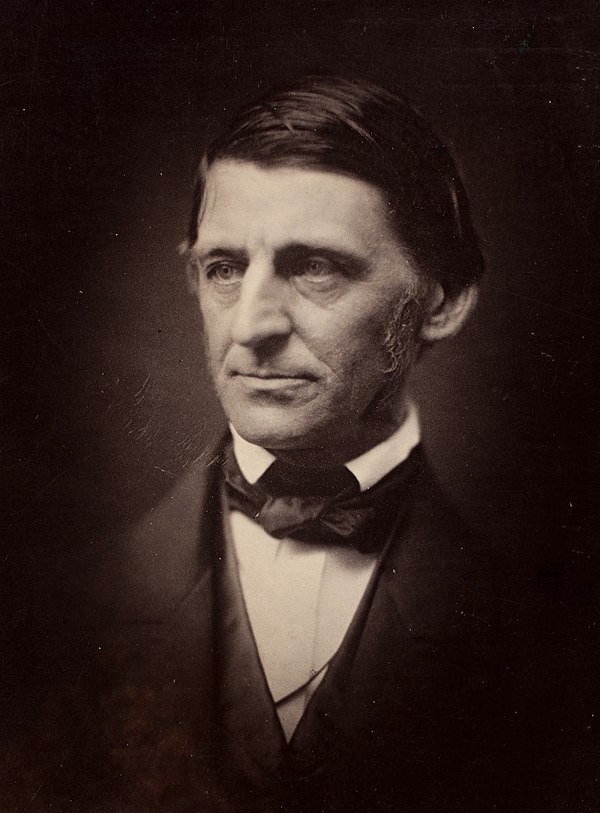
Ralph Waldo Emerson's observation that "the greatest delight which the fields and woods minister, is the suggestion of an occult relation between man and the vegetable" invites us to consider the profound and often mysterious connections that exist between humanity and the natural world. In this statement, Emerson suggests that the beauty and joy found in nature are not merely aesthetic; they hint at a deeper, almost mystical relationship that transcends the physical realm. This idea is particularly relevant in our modern context, where the disconnection from nature can lead to a sense of alienation and loss.
Emerson's words resonate with a timeless truth that has been echoed throughout various spiritual traditions: the interconnectedness of all life. The "occult relation" he speaks of suggests that there is a hidden wisdom in nature that can guide us toward a more harmonious existence. By exploring this relationship, we can uncover insights that not only enrich our understanding of the natural world but also illuminate our own inner landscapes. In a time when many feel increasingly isolated, Emerson's invitation to explore our bond with nature becomes a call to reconnect with both the earth and ourselves.
The image / the metaphor
The imagery in Emerson's quote evokes a sense of wonder and curiosity about the relationship between humans and plants. The phrase "the fields and woods minister" suggests a nurturing quality, as if nature itself is a benevolent teacher offering wisdom and solace. The use of the word "occult" implies that this relationship is not immediately visible; it requires a deeper exploration to understand the layers of connection that exist. This notion of hidden ties invites us to look beyond the surface of our experiences in nature and to seek the deeper meanings that lie beneath.
Diving deeper into the metaphor, we can see that Emerson is not merely speaking about physical proximity to nature but rather about an intrinsic bond that shapes our very being. The "vegetable" represents not just plants but the entire ecosystem that sustains life. This relationship is reciprocal; as we draw nourishment from the earth, we also contribute to its vitality. Emerson's insight encourages us to recognize that our existence is interwoven with the natural world, and in acknowledging this connection, we can cultivate a sense of reverence and responsibility toward the environment.
In the speaker's tradition
Emerson's thoughts are deeply rooted in the tradition of transcendentalism, which emphasizes the inherent goodness of both people and nature. This philosophy aligns with concepts such as dharma, which refers to the natural order of the universe, and prajna, the wisdom that arises from understanding our interconnectedness. In transcendentalism, the belief that nature is a reflection of the divine encourages individuals to seek spiritual truths through their experiences in the natural world. Emerson's perspective invites us to consider how our actions and thoughts resonate within this larger framework of existence.
In his seminal work, "Nature," Emerson articulates the idea that the natural world serves as a mirror for the human soul. He writes about the importance of solitude in nature as a means of self-discovery and spiritual awakening. This connection between the individual and the environment is echoed in the writings of other transcendentalists, such as Henry David Thoreau, who famously sought solace in the woods at Walden Pond. Both Emerson and Thoreau emphasize that by immersing ourselves in nature, we can uncover profound truths about ourselves and our place in the universe.
Living the teaching
Imagine a busy urban dweller who, overwhelmed by the demands of modern life, decides to take a weekend retreat in a nearby forest. As they walk among the trees, breathe in the fresh air, and listen to the rustling leaves, they begin to feel a sense of peace and connection that had long eluded them. This experience reflects Emerson's insight; the natural world offers not just a respite from daily stress but also a reminder of the deeper ties that bind us to the earth. In this moment, the individual recognizes that their well-being is intertwined with the health of the environment, prompting a desire to engage more consciously with nature.
In another scenario, consider a person navigating a challenging relationship. They might find solace in tending to a garden, nurturing the plants as they cultivate their own emotional resilience. This act of caring for living beings can serve as a metaphor for the care needed in their relationships. By recognizing the interconnectedness of all life, they may approach their interactions with greater empathy and understanding, embodying the essence of Emerson's teaching. In both instances, the act of engaging with nature becomes a pathway to deeper self-awareness and connection with others.
A reflection
As we contemplate Emerson's profound assertion about the relationship between humanity and the vegetable world, we are invited to reflect on our own connections with nature. How often do we pause to consider the intricate web of life that sustains us? In what ways can we deepen our relationship with the natural world, allowing it to inform our understanding of ourselves and our place within the greater tapestry of existence? These questions serve as a gentle reminder to seek the hidden ties that connect us to the earth and to one another.


