The Wisdom of Uncertainty: Embracing Humility in Knowledge
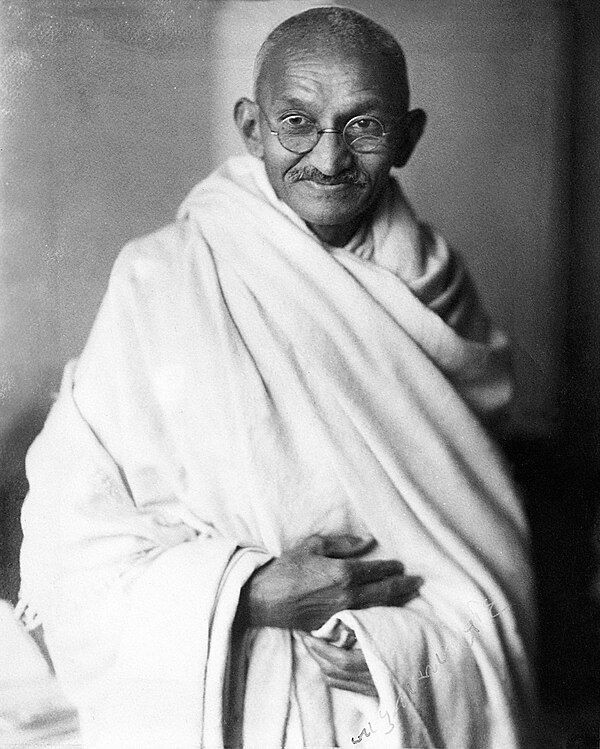
Mahatma Gandhi's assertion that "It is unwise to be too sure of one's own wisdom" invites us to reflect on the precarious nature of certainty in our understanding. In a world that often equates confidence with competence, Gandhi's words serve as a gentle reminder of our shared human fallibility. The acknowledgment that even the strongest may falter and the wisest may err is not merely a caution; it is an invitation to cultivate humility and openness in our pursuit of knowledge. This perspective is essential, especially in a time when the stakes of our decisions can have profound implications for ourselves and others.
Gandhi's insight resonates deeply within the context of personal growth and interpersonal relationships. It challenges us to reconsider our approach to wisdom, urging us to embrace a mindset that values learning over knowing. In doing so, we create space for dialogue, reflection, and the possibility of transformation. This humility is not a sign of weakness but rather a strength that fosters deeper connections and a more profound understanding of the complexities of life.
The image / the metaphor
The imagery in Gandhi's quote evokes a sense of balance between strength and vulnerability. The phrase "the strongest might weaken" conjures the image of a mighty tree that, despite its grandeur, can be uprooted by a storm. Similarly, "the wisest might err" suggests that even the most astute minds can misjudge a situation or make a mistake. This duality highlights the inherent unpredictability of life and the importance of remaining grounded in humility, regardless of our perceived strengths or knowledge.
Diving deeper into the metaphor, we can see that wisdom is not a static possession but a dynamic process. The verbs "weaken" and "err" imply movement and change, suggesting that wisdom is not merely about accumulating knowledge but about navigating the complexities of existence with grace and awareness. This understanding encourages us to approach our experiences with curiosity rather than certainty, allowing for growth and learning in every moment.
In the speaker's tradition
In the Bhagavad Gita, a foundational text in Hindu philosophy, we find a parallel to Gandhi's teaching in the character of Arjuna, who grapples with doubt and uncertainty on the battlefield. His journey toward understanding is marked by moments of vulnerability and questioning, ultimately leading him to a deeper realization of his purpose and the nature of wisdom. This narrative reinforces the idea that acknowledging our uncertainties can lead to profound insights and growth.
Living the teaching
In our modern lives, the application of Gandhi's teaching can manifest in various scenarios. Consider a workplace setting where a team is tasked with solving a complex problem. A member who is overly confident in their solution may inadvertently stifle collaboration and creativity. By embracing a mindset of humility, team members can share their perspectives openly, leading to a more comprehensive understanding of the issue at hand. This collaborative spirit not only enhances the quality of the solution but also fosters a culture of trust and respect among colleagues.
Another poignant application of this teaching can be found in personal relationships. Imagine a moment of conflict between friends, where one party is convinced of their righteousness. In such instances, the willingness to acknowledge the possibility of being wrong can pave the way for healing and reconciliation. By approaching the situation with humility, both individuals can engage in a meaningful dialogue that honors their feelings and perspectives, ultimately strengthening their bond. This practice of humility in relationships cultivates a deeper sense of empathy and understanding.
A reflection
As we contemplate Gandhi's profound insight, we are invited to consider the ways in which our own certainties may limit our growth. What assumptions do we hold that might benefit from a gentle questioning? In what areas of our lives could we embrace a more humble approach, allowing ourselves to learn from others and from our experiences? This reflective inquiry not only deepens our understanding of ourselves but also enriches our connections with the world around us.


