The Dance of Seasons: Embracing Life's Cycles
In the quote "They are like winter and spring," Dōgen invites us to contemplate the profound relationship between opposites, particularly the cycles of life and death. This imagery evokes a sense of transition, where the starkness of winter gives way to the vibrant renewal of spring. Understanding this relationship is essential for grasping the essence of existence, as it reflects the impermanence and interconnectedness of all things. In a world often dominated by the desire for permanence, Dōgen's words remind us of the beauty inherent in change.
As we delve deeper into this quote, we recognize that winter and spring are not merely seasons but represent the dualities present in our lives. They symbolize the inevitable ebb and flow of experiences, emotions, and states of being. In Zen practice, acknowledging these cycles allows us to cultivate a sense of acceptance and presence, embracing both the harshness of winter and the joy of spring. This perspective fosters resilience and a deeper understanding of our own nature, encouraging us to find harmony amidst the contrasts that life presents.
The image / the metaphor
The imagery of winter and spring conjures a vivid landscape of contrasting experiences. Winter, with its cold and desolate qualities, signifies a time of dormancy and introspection, while spring bursts forth with life, color, and renewal. The verbs inherent in this metaphor—“are like”—suggest a state of being that transcends mere comparison; it invites us to recognize the intrinsic connection between these two seasons. This connection is felt deeply in the heart, as we experience the cyclical nature of existence, where one phase inevitably leads to another.
In the speaker's tradition
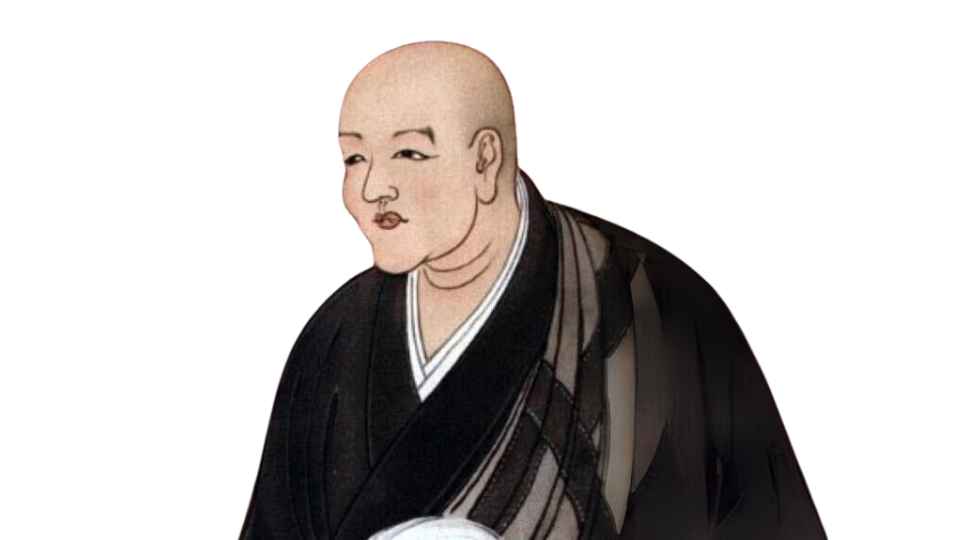
Dōgen, a pivotal figure in Zen Buddhism, emphasizes the importance of understanding the nature of reality through the lens of impermanence and interconnectedness. His teachings often revolve around concepts such as sunyata (emptiness) and prajna (wisdom), which encourage practitioners to see beyond the dualities of existence. In this context, the metaphor of winter and spring serves as a reminder that life is a continuous flow, where each moment is both transient and interconnected, reflecting the essence of the dharma.
In his seminal work, "Genjokoan," Dōgen articulates the idea that enlightenment is found in the ordinary moments of life, much like the transition from winter to spring. He invites us to engage fully with our experiences, recognizing that each moment, whether filled with joy or sorrow, contributes to our understanding of the true nature of existence. This perspective aligns with the Zen practice of mindfulness, where the awareness of each season—both literal and metaphorical—becomes a pathway to deeper insight and liberation.
Living the teaching
Consider a modern scenario where this teaching resonates: a person facing a significant life change, such as the loss of a job. Initially, this experience may feel akin to the bleakness of winter—filled with uncertainty and despair. However, as time passes and new opportunities arise, the individual may find themselves in a state of renewal, akin to the blossoming of spring. This journey illustrates how embracing the cycles of life can lead to unexpected growth and transformation, encouraging us to remain open to the possibilities that arise from our challenges.
In the realm of relationships, the metaphor of winter and spring can also be profoundly applicable. Imagine a couple navigating a difficult phase in their partnership, where communication has broken down, and feelings of disconnection prevail. This period may feel like an emotional winter, characterized by coldness and distance. Yet, through patience, understanding, and effort, they can cultivate the conditions for renewal, allowing their relationship to blossom anew in the warmth of spring. This process underscores the importance of recognizing that both challenging and joyful moments are integral to the journey of love and connection.
A reflection
As we reflect on Dōgen's words, we are invited to consider the cyclical nature of our own lives. How do we respond to the winters we encounter, and are we open to the springs that follow? This contemplation encourages us to embrace the full spectrum of our experiences, recognizing that each season holds its own wisdom and potential for growth. In what ways can we cultivate a deeper acceptance of life's cycles, allowing ourselves to be transformed by both the challenges and the joys we encounter?


