Illuminating the Small: The Moon's Reflection in a Puddle
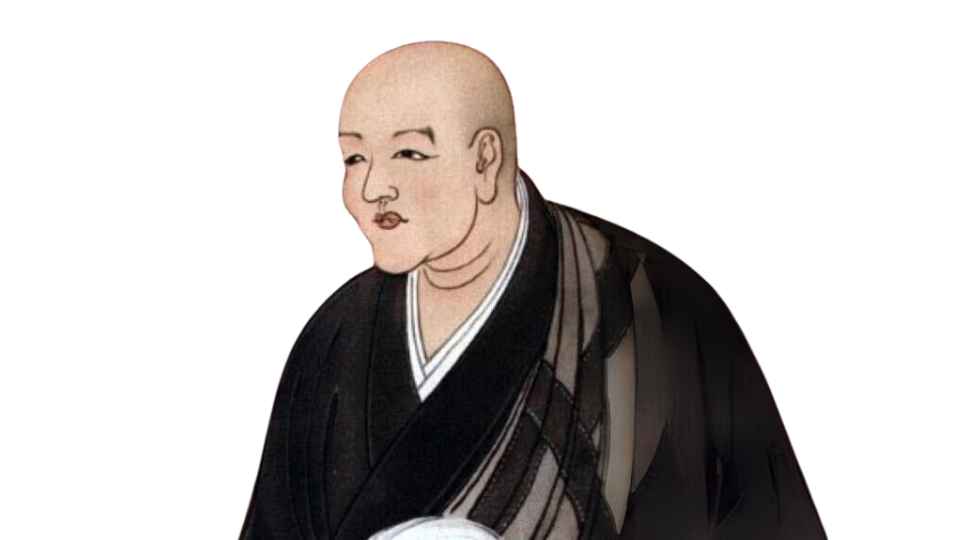
In the words of Dōgen, "Although its light is wide and great, the moon is reflected even in a puddle an inch wide." This poignant observation invites us to consider the vastness of existence and the subtle ways in which it manifests in our lives. The moon, a symbol of enlightenment and the divine, casts its light broadly, yet it can be captured in the smallest of reflections. This quote speaks to the interplay between the grand and the minute, urging us to recognize the profound within the ordinary.
Dōgen's insight encourages us to explore the nature of perception and reality. The moon's light, representing wisdom and clarity, is not diminished by the size of the puddle; rather, it suggests that even the smallest moments can hold immense significance. This teaching resonates deeply in our contemporary lives, where we often overlook the beauty and depth found in seemingly trivial experiences. By embracing this perspective, we can cultivate a richer understanding of our existence and the interconnectedness of all things.
The image / the metaphor
The imagery in Dōgen's quote is striking and evocative. The moon, with its vast and luminous presence, serves as a metaphor for enlightenment, wisdom, and the boundless nature of reality. The puddle, in contrast, represents the limited scope of our everyday experiences. The choice of the word "reflected" is particularly significant; it implies that what we perceive is not the moon itself but a mere echo of its light. This reflection invites us to consider how we interpret and internalize the vastness of existence through our limited perspectives.
In the speaker's tradition
Dōgen, a pivotal figure in Zen Buddhism, emphasizes the importance of direct experience and the realization of one's true nature. His teachings often explore concepts such as *sunyata* (emptiness) and *prajna* (wisdom), which resonate with the idea that the essence of reality is both vast and intimately present in our lives. The moon's reflection in a puddle serves as a reminder that enlightenment is not confined to grand experiences; rather, it can be found in the simplest of moments. This perspective aligns with the Zen practice of mindfulness, where every experience, no matter how small, is an opportunity for awakening.
In Dōgen's seminal work, *Genjokoan*, he articulates the relationship between the ordinary and the extraordinary, emphasizing that the realization of one's true nature is not separate from the world around us. The moon's light, reflected in a puddle, embodies this teaching, illustrating that the profound is interwoven with the mundane. This interconnectedness invites practitioners to engage fully with their experiences, recognizing that each moment holds the potential for insight and transformation.
Living the teaching
Consider a modern scenario where this teaching resonates: a busy parent navigating the chaos of daily life. In the midst of juggling work, family responsibilities, and personal aspirations, it is easy to overlook the small moments that hold great significance. A child's laughter, the warmth of a shared meal, or a quiet moment of reflection can all serve as reflections of the moon's light. By cultivating awareness of these seemingly trivial experiences, the parent can find joy and meaning, recognizing that the essence of life is present even in the smallest puddles.
In relationships, this teaching can manifest during moments of conflict or misunderstanding. When faced with a disagreement, it is easy to become consumed by the enormity of the situation, losing sight of the underlying love and connection that brought two people together. By remembering Dōgen's insight, individuals can seek to find the moon's reflection in their interactions, recognizing that even the smallest gestures of kindness or understanding can illuminate the path toward reconciliation. This practice encourages us to approach our relationships with mindfulness, allowing the light of compassion to shine through, even in challenging times.
A reflection
As we contemplate Dōgen's profound words, we are invited to consider: In what small moments of my life can I find the reflection of greater truths? This question encourages us to engage with our experiences more deeply, seeking the wisdom that lies within the ordinary. By embracing the idea that the vastness of existence can be captured in a single puddle, we open ourselves to a richer, more meaningful engagement with the world around us.


