The Power of Mastery: Embracing the One Kick
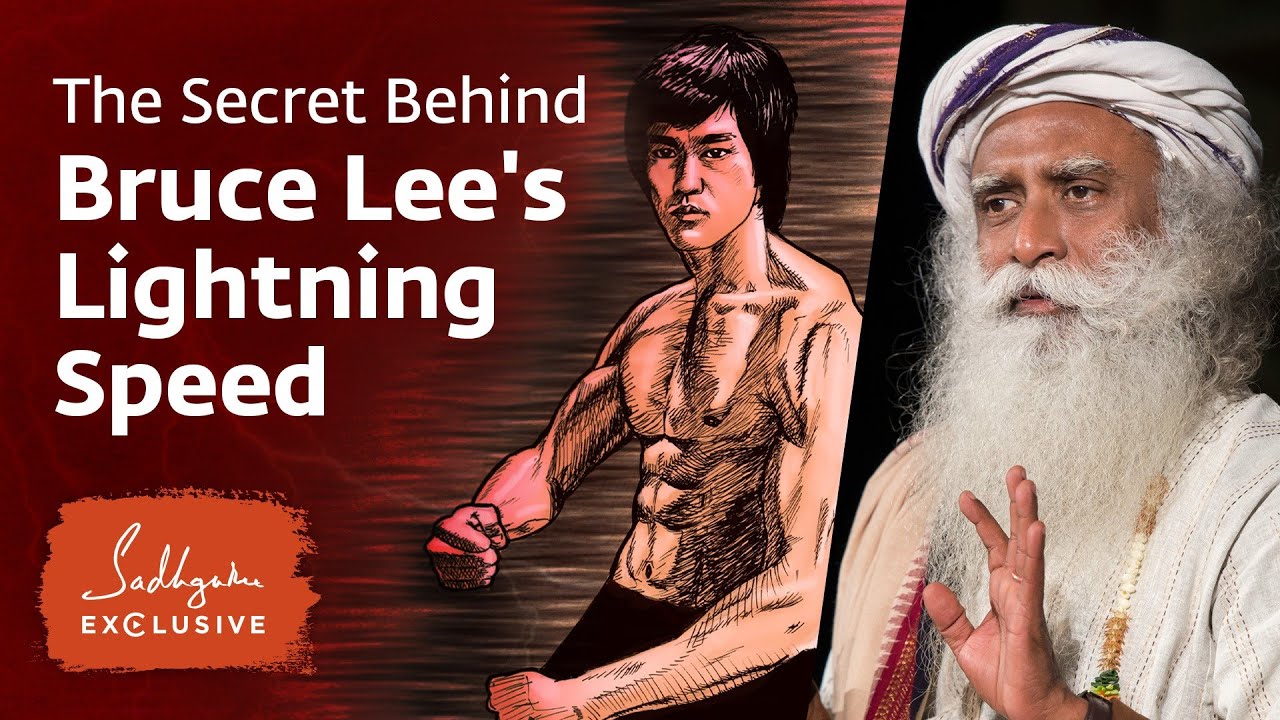
Bruce Lee's assertion, "I am not afraid of the man who has practiced 10,000 kicks. I am afraid of the man who has practiced one kick 10,000 times," invites us to reflect on the profound depths of mastery and focus. In a world that often celebrates variety and breadth, Lee highlights the transformative power of dedication to a singular pursuit. This distinction is not merely about physical prowess; it speaks to the essence of mental toughness and the relentless grind of training that shapes not only athletes but anyone striving for excellence.
At its core, this quote challenges our understanding of preparation and competition. It suggests that true strength lies not in the multitude of skills one possesses, but in the depth of commitment to honing a single craft. In the context of endurance sports, this philosophy resonates deeply, as it emphasizes the importance of consistent practice and the mental fortitude required to push through the inevitable challenges that arise on the path to mastery.
The image / the metaphor
Lee's imagery evokes a vivid contrast between quantity and quality. The "man who has practiced 10,000 kicks" represents a superficial approach to skill acquisition, where the focus is scattered and unfocused. In contrast, the "man who has practiced one kick 10,000 times" embodies a profound dedication to mastery, suggesting a deep understanding of the nuances and subtleties that come with repetition. The verbs chosen—"practiced" and "afraid"—carry a weight that speaks to the emotional and psychological dimensions of training, revealing that fear is not born from the multitude of skills but from the depth of commitment.
Diving deeper into the metaphor, we can see that the single kick symbolizes not just a physical action but a mental state of being. It represents the essence of focus, where the practitioner transcends the mere act of repetition and enters a realm of profound understanding. This mastery transforms the kick into a powerful tool, one that can be wielded with precision and intention. In this light, the quote becomes a call to embrace the grind of training, to find beauty in the mundane, and to cultivate a mindset that values depth over breadth.
In the speaker's tradition
Bruce Lee's philosophy is deeply rooted in the martial arts tradition, which emphasizes the importance of discipline, focus, and the pursuit of personal excellence. Concepts such as dharma, which refers to one's path or duty, resonate with Lee's message. In the context of endurance sports, this translates to the understanding that each athlete must find their unique path, dedicating themselves to the practice that speaks to their spirit. The idea of kenosis, or self-emptying, further complements this philosophy, as it encourages practitioners to let go of distractions and fully immerse themselves in their chosen discipline.
In Lee's own writings, particularly in "Tao of Jeet Kune Do," he emphasizes the importance of directness and simplicity in training. He advocates for a practice that is not cluttered with unnecessary techniques but rather focused on the essentials that lead to mastery. This aligns with the notion of sunyata, or emptiness, where one must strip away the superfluous to uncover the true essence of their practice. By embracing this philosophy, athletes can cultivate a deeper understanding of their craft, allowing them to transcend the limitations of mere physicality.
Living the teaching
Consider a modern scenario where an athlete prepares for a marathon. In the face of countless training plans and techniques, the athlete who chooses to focus on a single aspect—such as pacing—can find greater success than one who spreads their attention across multiple strategies. By dedicating themselves to mastering their pacing, they learn to listen to their body, adjust their rhythm, and ultimately navigate the race with a sense of confidence and control. This focused practice not only enhances their performance but also builds the mental resilience needed to face the challenges of long-distance running.
This teaching can also be applied in personal relationships. Imagine someone who chooses to invest deeply in a single relationship rather than spreading themselves thin across many social connections. By practicing the art of listening, empathy, and presence in that one relationship, they cultivate a bond that is rich and fulfilling. This depth of engagement fosters trust and understanding, illustrating that the commitment to one meaningful connection can yield far greater rewards than a superficial engagement with many.
A reflection
As we contemplate Bruce Lee's words, we are invited to consider our own lives and the areas where we might benefit from a deeper commitment. What is the "one kick" in your life that deserves your unwavering focus and dedication? In a world that often encourages us to diversify our skills and interests, this question challenges us to reflect on the power of mastery and the beauty of depth. Embracing this teaching can lead us to profound insights and transformative experiences.