The Illusion of Words: Seeking Beyond Scripture
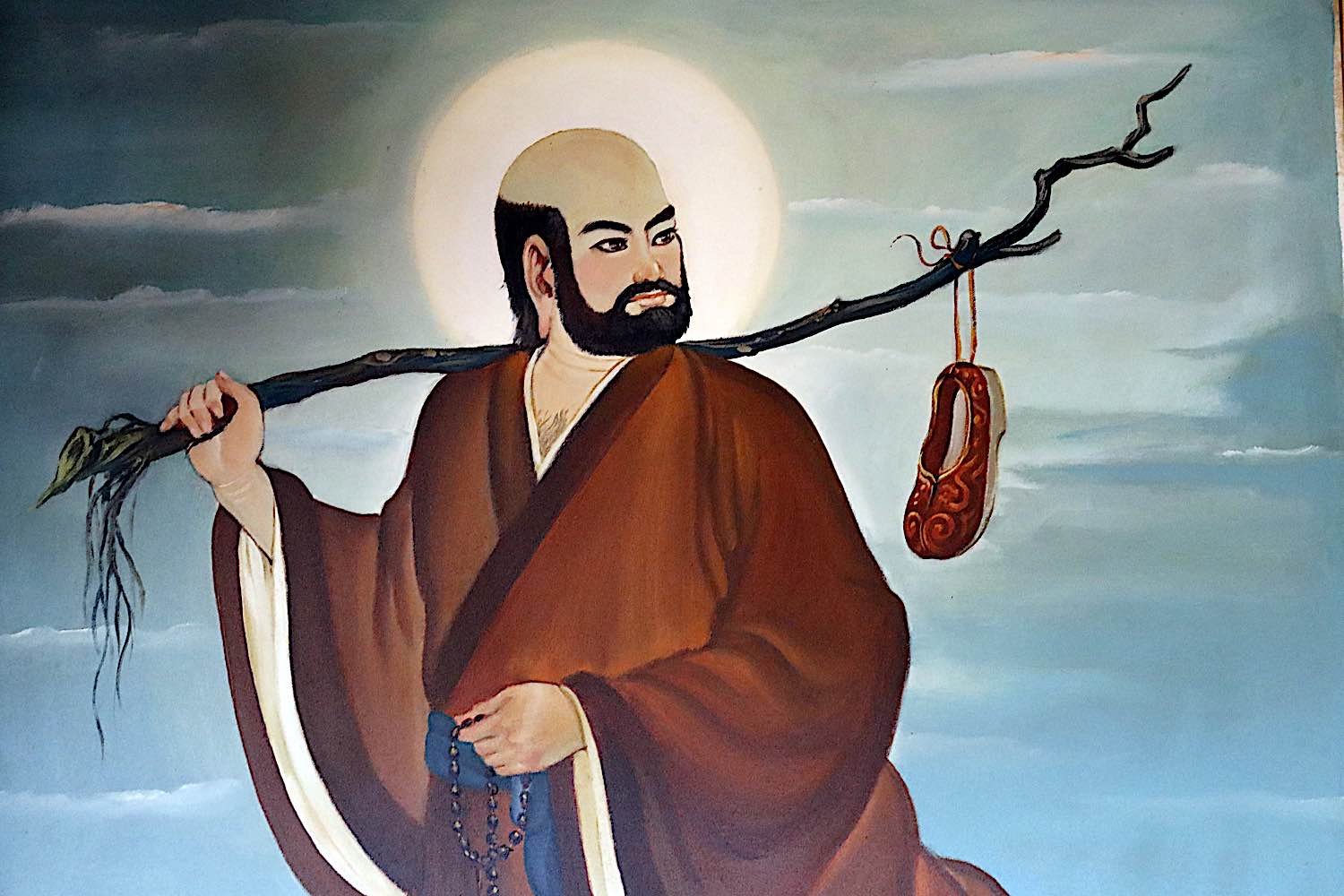
Bodhidharma's assertion, "He who delights in scriptures is far from the truth," invites us to reconsider our relationship with sacred texts. At first glance, this statement may seem to undermine the value of scripture, yet it serves as a profound reminder that the essence of truth transcends written words. In a world where we often seek validation and understanding through external sources, Bodhidharma's words challenge us to look inward and cultivate a direct experience of reality, one that is unmediated by the interpretations and doctrines of others.
This teaching is particularly relevant in our contemporary context, where the proliferation of spiritual literature can lead to an over-reliance on texts rather than personal insight. The allure of scripture can become a distraction, a way to feel spiritually accomplished without engaging in the deeper, often uncomfortable work of self-exploration and realization. Bodhidharma's wisdom urges us to move beyond mere intellectual engagement with spiritual teachings and to seek the direct experience of truth that lies at the heart of Zen practice.
The image / the metaphor
The imagery in Bodhidharma's quote evokes a sense of distance and separation. To "delight" in scriptures suggests a kind of enjoyment or attachment that can lead one away from the essence of truth. The verbs chosen—"delights" and "far from"—imply a journey that is not only physical but also spiritual, where one can become ensnared in the comfort of words while missing the deeper reality they attempt to convey. This metaphor speaks to the tendency of the mind to cling to concepts, creating a barrier to genuine understanding.
In the speaker's tradition
Within the Zen tradition, Bodhidharma's teaching resonates with the concept of "prajna," or wisdom, which emphasizes direct insight over intellectual understanding. This notion is closely tied to the practice of "zazen," or seated meditation, where practitioners are encouraged to let go of thoughts and concepts to experience reality as it is. The Zen path is one of direct experience, where the practitioner learns to see beyond the dualities of thought and language, moving toward a state of "sunyata," or emptiness, where the true nature of existence can be perceived.
In the "Bloodstream Sermon," Bodhidharma articulates the importance of direct experience, suggesting that the essence of enlightenment cannot be captured in words. This echoes the teachings found in other Zen texts, such as the "Heart Sutra," which emphasizes the emptiness of all phenomena. Both texts remind us that while words can point to the truth, they are not the truth itself. The challenge lies in transcending the attachment to these words and engaging with the reality they seek to describe.
Living the teaching
Consider a modern scenario where someone immerses themselves in spiritual literature, attending workshops and reading countless books, yet feels a persistent sense of disconnection from their own experience. This individual may find themselves quoting scriptures and sharing insights with others, yet internally, they grapple with feelings of emptiness and confusion. Bodhidharma's teaching serves as a gentle nudge for this person to step back and reflect on their own lived experience, encouraging them to engage with their feelings, thoughts, and sensations directly, rather than relying solely on the wisdom of others.
In a different context, imagine a relationship where one partner frequently references spiritual texts to address conflicts or misunderstandings. While these references may provide a framework for discussion, they can also create a barrier to authentic communication. Here, Bodhidharma's wisdom invites both partners to move beyond the words and engage in a deeper dialogue that honors their individual experiences and emotions. By prioritizing direct connection over textual references, they can cultivate a more profound understanding of each other, fostering intimacy and compassion.
A reflection
As we contemplate Bodhidharma's assertion, we are invited to ask ourselves: "In what ways do I rely on external sources for my understanding of truth, and how might I cultivate a more direct experience of reality?" This question encourages us to reflect on our spiritual practices and the ways we engage with teachings, prompting us to seek the essence of truth within ourselves rather than through the lens of scripture. In doing so, we may discover a deeper connection to our own experience and a more authentic relationship with the world around us.
