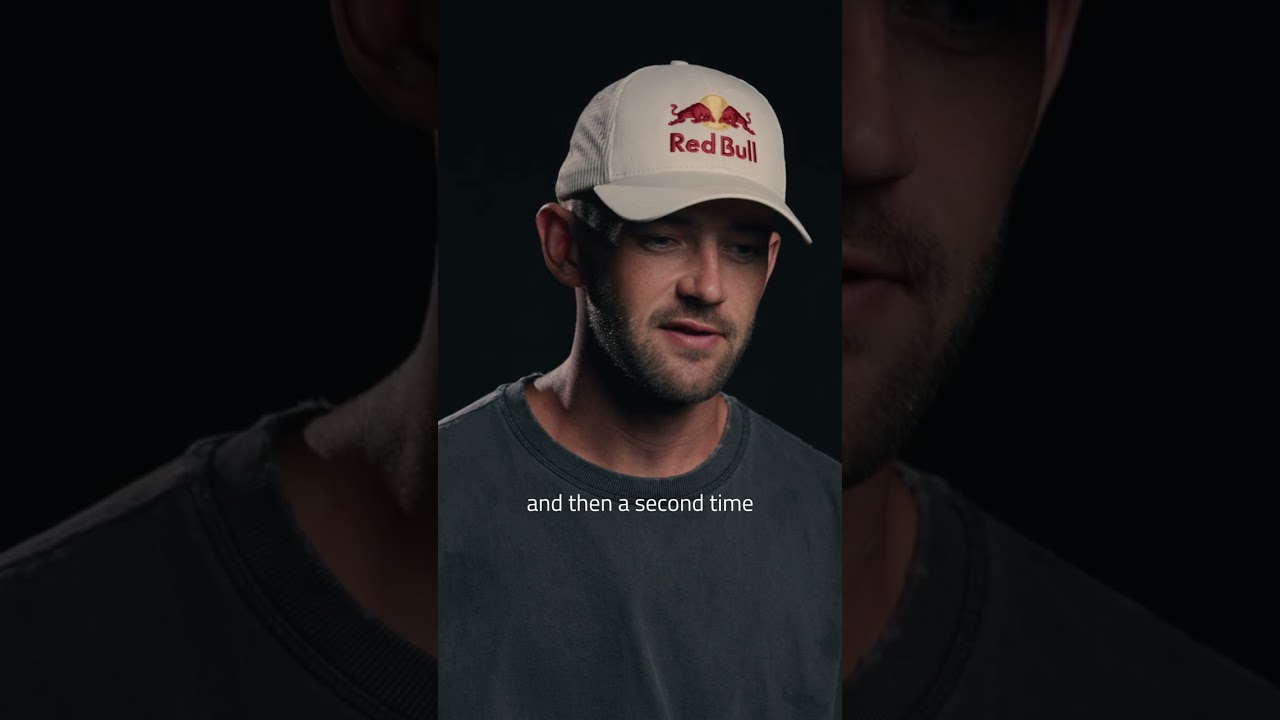
In the world of endurance sports, resilience is not just a trait; it's a necessity. This was a key theme in Episode 23 of the IRONMAN Insider podcast, where three-time IRONMAN World Champion Patrick Lange shared his journey through injury and adversity. Lange’s insights are invaluable for both seasoned triathletes and newcomers alike, as they provide a window into the mindset required to excel in long-distance racing. From his record-setting performance in Kona to his strategies for upcoming races in Frankfurt and Nice, this episode is packed with lessons on perseverance, training, and the spirit of competition.
The Journey of Patrick Lange
Patrick Lange's journey to becoming a three-time IRONMAN World Champion is a testament to his dedication and resilience. Not many athletes reach the pinnacle of endurance sports, and Lange’s story is both inspiring and instructive. His early experiences in sports laid a solid foundation, but it was the challenges he faced that truly shaped his career. Overcoming setbacks, including injuries, has taught him valuable lessons about physical and mental strength, reinforcing the importance of determination in the face of adversity.
In the podcast, Lange reflects on how his background as a physical therapist has given him a unique perspective on training and recovery. This knowledge has been crucial in helping him navigate injuries and maintain optimal performance. Understanding the human body allows him to listen to its signals, making necessary adjustments in training and racing strategies. This insight can be incredibly beneficial for any athlete looking to push their limits while minimizing the risk of injury.
Lange’s story is not just about victories; it’s about the journey. He emphasizes that every athlete will face challenges, and how one responds to these challenges defines their career. This mindset of embracing adversity and using it as a catalyst for growth is a powerful takeaway for anyone involved in endurance sports, whether they are beginners or seasoned veterans.
Resilience Through Injury
Injuries are an unfortunate reality for many athletes, and Lange’s recent setback was no exception. He candidly discusses how this injury forced him to reconsider his training approach and adapt his techniques. This moment of vulnerability is a reminder that even the best athletes face hurdles that can disrupt their carefully laid plans. Lange's experience emphasizes the importance of resilience and adaptability in the face of unexpected challenges.
During the podcast, Lange shares practical strategies he employed during his recovery. He highlights the importance of cross-training and focusing on other aspects of fitness while healing. Incorporating low-impact activities such as swimming and cycling can help maintain cardiovascular fitness without exacerbating injuries. For Lange, this meant adjusting his workouts to prioritize recovery while still preparing for future races, showcasing a balanced approach to training.
Moreover, Lange’s experience underscores the psychological aspects of dealing with injuries. Mental resilience is just as crucial as physical recovery. Techniques such as visualization, positive self-talk, and setting small goals can help athletes maintain motivation during challenging recovery periods. Lange’s insights serve as a guide for anyone facing similar setbacks, reinforcing that recovery is a journey in itself.
The Kona Experience
Patrick Lange’s record-setting performance at the IRONMAN World Championship in Kona is a defining moment in his career. He recounts the electrifying atmosphere of the race, where the stakes are high, and the competition fierce. The unique conditions of Kona, including the heat and humidity, present significant challenges that require meticulous preparation and strategy. Lange’s ability to thrive in these conditions is a testament to his mental and physical preparation.
Lange’s race strategy involved meticulous pacing and nutrition planning, crucial elements in a successful long-distance event. He discusses the importance of maintaining a steady pace throughout the marathon, emphasizing that starting too fast can lead to burnout. For athletes looking to optimize their performance, Lange recommends practicing race-day nutrition during training, ensuring that your body is accustomed to the specific gels and hydration strategies used on race day.
The record-setting finish, characterized by Lange’s iconic sprint to the finish line, serves as an inspiration to many. He emphasizes that the journey to that moment was filled with countless hours of training and preparation. His story illustrates that success in endurance sports is not just about talent but also about hard work, strategic planning, and the ability to embrace the thrill of competition.
Adapting to Evolving Dynamics
The landscape of long-course racing is continually evolving, with new competitors and strategies emerging. Lange discusses how these changes impact his training and racing approach. For example, the rise of new technologies in gear and nutrition has transformed how athletes prepare for races. Staying updated with these changes is essential for any competitive athlete, as it can significantly influence performance outcomes.
One notable trend is the increasing emphasis on data-driven training. Athletes now have access to advanced metrics that allow for personalized training regimens. Lange shares how he utilizes tools such as power meters and heart rate monitors to gauge his performance and adjust his training accordingly. This analytical approach helps athletes fine-tune their workouts, ensuring they are training at optimal intensities while avoiding overtraining.
Moreover, Lange highlights the importance of community and collaboration in the evolving dynamics of triathlon. Training with fellow athletes can provide motivation and new perspectives on training techniques. He encourages athletes to engage with their peers, share insights, and learn from one another’s experiences, fostering a supportive environment that can lead to collective improvement.
Goals for Frankfurt and Nice
Looking ahead, Patrick Lange shares his ambitions for the upcoming races in Frankfurt and Nice. These events present unique challenges and opportunities for athletes to showcase their skills. Lange’s focus is not solely on winning but also on setting personal goals that push him beyond his previous limits. This mindset encourages athletes to pursue excellence rather than merely aiming for victory.
Setting specific, measurable goals can significantly enhance an athlete’s training regimen. For Lange, this might involve targeting specific paces or power outputs during training sessions. He advises athletes to break down their goals into manageable segments, allowing for incremental progress that builds confidence and prepares them for the rigors of competition.
Furthermore, Lange underscores the importance of mental preparation for these upcoming races. Visualization techniques and race rehearsals can help athletes familiarize themselves with the course and anticipate potential challenges. By mentally rehearsing the race experience, athletes can reduce anxiety and enhance their performance on race day, setting them up for success in competitive environments.
Thriving Under Pressure
One of the most compelling aspects of Patrick Lange’s approach to racing is his ability to thrive under pressure. He discusses how high-stakes environments, such as the IRONMAN World Championship, fuel his competitive spirit. This mindset can be cultivated through experience, but it also requires a strong mental framework to channel nerves into positive energy.
Lange suggests that athletes develop their own pre-race routines to manage stress and enhance focus. This could include rituals such as mindfulness meditation, breathing exercises, or specific warm-up routines. By establishing a pre-race routine, athletes can create a sense of familiarity that helps them remain calm and collected in high-pressure situations.
Moreover, Lange emphasizes the importance of embracing the pressure as a driving force rather than a hindrance. Athletes can learn to view competitive anxiety as a sign of their dedication and preparation. By reframing their mindset, they can transform potentially debilitating nerves into motivation, enabling them to perform at their best when it matters most.
Beyond Labels: The Runner's Identity
Throughout the episode, Lange addresses the common label of being “just a runner.” He challenges this perception by highlighting the multifaceted nature of endurance athletes. Triathletes, in particular, must excel in swimming, cycling, and running, each requiring distinct skills and training approaches. Lange’s identity as a triathlete encompasses much more than running, reflecting the diverse nature of the sport.
In a sport where comparison is rampant, Lange encourages athletes to embrace their unique journeys and strengths. Each athlete’s path is different, shaped by personal experiences, challenges, and victories. By focusing on individual growth and improvement, athletes can cultivate a more positive relationship with their performance, free from the constraints of external labels.
Moreover, Lange advocates for breaking down barriers within the sport. By recognizing the diverse capabilities of athletes, the triathlon community can foster inclusivity and support for all participants. This mindset shift can inspire newcomers and veterans alike, reminding them that every athlete has a valuable story and contribution to the sport.
Watch the Full Video
Watch the complete video above for the full breakdown. For more endurance content, explore our latest articles, browse upcoming events, or discover athlete profiles on EnduranceFinder.