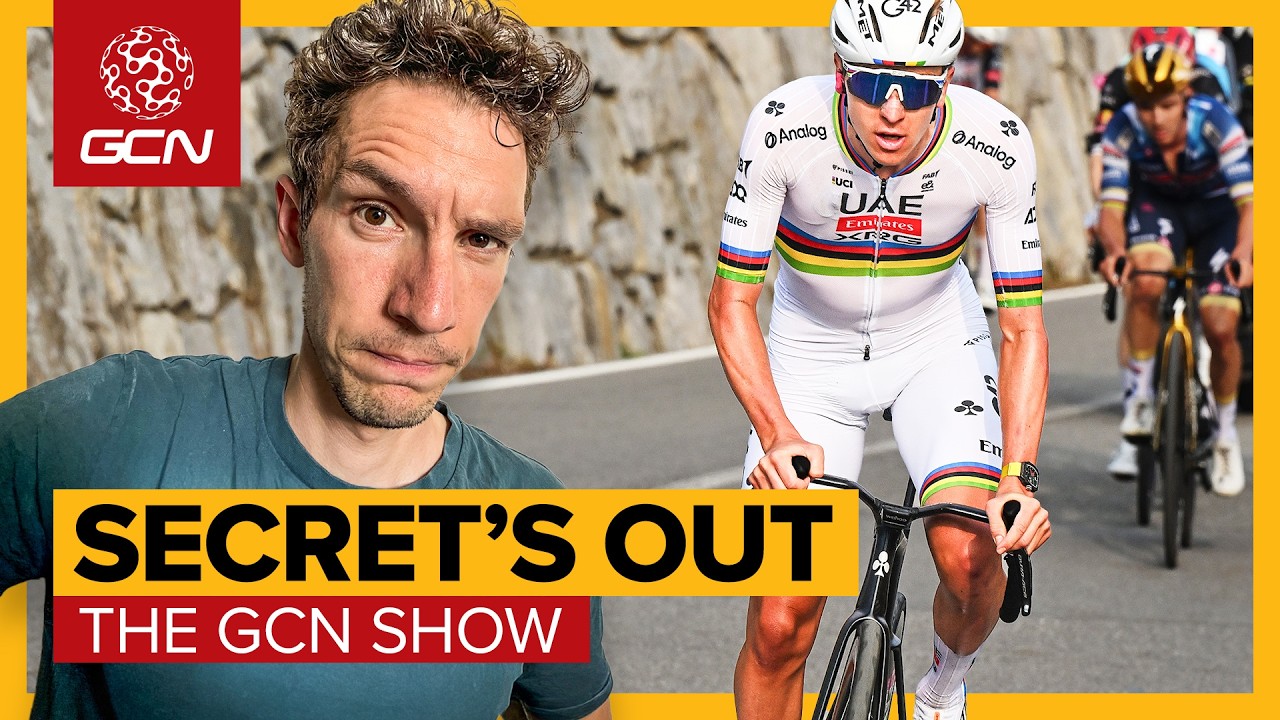
When it comes to cycling, every athlete dreams of finding that elusive "free speed"—the ability to go faster without spending a dime. In the latest video from the Global Triathlon Network, cycling tech expert Josh Poertner shares invaluable insights on how to achieve this through simple, cost-effective changes. From maintaining a spotless bike to optimizing your gear, these strategies can significantly enhance your performance on the bike without breaking the bank. Let’s dive into these practical tips and learn how you can unlock your potential without spending a fortune.
One of the simplest yet most impactful ways to gain free speed is by keeping your bike clean. Dirt and grime can create friction, slowing you down and costing you valuable watts. Regular cleaning doesn't require special tools; a basic bucket, sponge, and bike wash can work wonders. Aim for a clean drivetrain, as a well-lubricated chain will transfer power more efficiently, helping you maintain higher speeds with less effort.
In addition to improving performance, a clean bike can also enhance your safety. Dirt accumulation can hide important issues, such as wear on brake pads or damaged cables. By routinely cleaning your bike, you not only ensure it runs smoothly but also prolong its lifespan, making this simple practice an essential part of your maintenance routine.
Lastly, consider the psychological boost of riding a clean bike. A well-maintained machine can make you feel more confident and motivated on the road. So, make it a habit to give your bike a thorough clean after every ride or at least once a week to reap those speed benefits!
In the world of cycling, clothing fit can have a surprisingly significant impact on your aerodynamics. Loose-fitting clothing can create drag, costing you precious watts as you push against the wind. Investing in a well-fitted kit—such as a tight-fitting jersey and shorts—can reduce resistance and help you maintain higher speeds. Aim for clothing specifically designed for cycling, as these garments are often constructed from fabrics that improve airflow and wick moisture efficiently.
When selecting gear, consider the specific conditions you’ll be riding in. For instance, lightweight, breathable fabrics are ideal for hot weather, while thicker materials might be necessary for cooler temperatures. Always prioritize fit over fashion; the tighter and more aerodynamic your clothing, the more speed you’ll potentially gain. A snug fit may feel uncomfortable at first, but the benefits far outweigh any initial discomfort.
Lastly, don’t forget about the importance of layering in colder conditions. A well-placed base layer can help regulate your body temperature without adding unnecessary bulk. Remember, every little detail counts, and optimizing your clothing fit is a simple yet effective method to enhance your performance on the bike.
Helmet straps might seem like a minor detail, but they can significantly affect your aerodynamic profile. Excess strap length can flap in the wind, creating drag and slowing you down. To combat this, ensure your helmet straps fit snugly against your head. Many helmets come with adjustable straps that can be tailored to your specific head shape, so take the time to find the perfect fit.
In addition to adjusting the straps, consider the style of your helmet. Some designs are more aerodynamic than others, and investing in a streamlined helmet can provide additional speed benefits. Look for helmets that feature wind-tunnel-tested designs and materials that reduce drag. While this may be a more expensive upgrade, the aerodynamic efficiency gained can lead to significant speed improvements on the road.
Other factors, such as helmet position, also play a role in your overall aerodynamics. Ensure your helmet sits low on the back of your head and is level to minimize wind resistance. By paying attention to this often-overlooked detail, you can optimize your riding position and gain those valuable watts without any additional investment.
The position of your helmet can have a dramatic impact on your aerodynamics. A helmet that's too high or tilted can disrupt airflow, creating turbulence that slows you down. Aim to keep your helmet level on your head and close to your back for maximum aerodynamic benefit. This may require some adjustment, particularly if you have a specific riding posture or tend to look up while cycling.
When riding in a more aggressive position, it’s crucial to ensure that your helmet complements your body alignment. The streamlined profile should enhance your overall aerodynamics rather than obstruct it. Consider practicing in front of a mirror or taking video of yourself riding to assess your helmet position and make necessary adjustments.
Additionally, consider investing in a helmet that is designed specifically for aerodynamics. These helmets often come equipped with features like reduced venting for improved airflow and a shape that minimizes drag. While it may be a pricier choice, the performance gains can be well worth the investment when you're looking to maximize speed on the bike.
Proper tyre pressure is one of the most critical factors influencing your cycling efficiency. Under-inflated tyres can create excessive rolling resistance, which can negate any high-end components you've invested in. Regularly check your tyre pressure and adhere to the manufacturer’s recommended PSI for optimal performance. A simple pump can make a world of difference in how your bike feels and performs.
Consider the type of terrain you’ll be riding as well. For rough surfaces, slightly lower pressure may provide better traction and comfort, while higher pressures may be more suitable for smooth, paved roads. Experiment with different pressures to find what works best for your riding style and conditions. Use a reliable pressure gauge to ensure accuracy; this small investment can help you maintain the ideal setup.
Don’t forget to regularly inspect your tyres for wear and tear. Flat spots, cracks, or foreign objects can lead to blowouts or decreased performance. By maintaining optimal tyre pressure and regularly checking your tyres, you can gain free speed and enjoy a safer, more efficient ride.
Body hair can be an unexpected factor influencing your cycling speed. Studies have shown that shaving your legs can save you several watts due to reduced drag. While this may not seem like much, every bit counts in competitive environments. Many professional cyclists choose to shave not only for aerodynamic benefits but also for comfort and ease of cleaning up after a race.
For those who prefer not to shave, consider trimming body hair to a shorter length. This can help reduce drag without the commitment of a full shave. Additionally, using compression sleeves or aero socks can further enhance your aerodynamics while keeping your legs covered. The goal is to minimize any resistance that can slow you down as you pedal.
Ultimately, the decision to shave or trim is a personal one, but it’s worth considering if you’re serious about improving your performance. Even small changes in your grooming routine can lead to significant gains on race day, so don’t overlook this potential area for free speed.
When it comes to cycling, there are numerous budget-friendly upgrades that can yield significant performance improvements. One of the best investments is a quality set of tyres. A lightweight, high-performance tyre can drastically reduce rolling resistance and improve speed. Brands like Continental and Michelin offer options that balance durability and performance, making them ideal for both training and racing.
Another inexpensive upgrade is a pair of aero socks. These specially designed socks can enhance your aerodynamics, providing a smoother silhouette that minimizes wind resistance. They are typically made from lightweight materials that wick moisture and keep your feet comfortable during long rides. The small investment can lead to noticeable gains in speed.
Lastly, consider upgrading your pedals. A lightweight, clipless pedal system can improve your efficiency by allowing you to pull on the upstroke as well as push down. This added power can translate into faster times without requiring a complete overhaul of your bike. By focusing on these inexpensive upgrades, you can maximize your performance without overspending.
Watch the complete video above for the full breakdown. For more endurance content, explore our latest articles, browse upcoming events, or discover athlete profiles on EnduranceFinder.