SportsCampFinder

Browse All Camps

Find the perfect camp for your athlete

camps

Basketball Camps
Soccer Camps
Baseball Camps
Football Camps
Volleyball Camps
Lacrosse Camps
Multi-Sport Camps
Elite Training
Overnight Camps
Day Camps
Popular Destinations
BaliSedonaLos AngelesCosta RicaNew YorkSan FranciscoAustinMiamiJoshua TreeTulum
View All CategoriesView All Destinations

Explore All Features

Powerful tools to grow your events

Platform Features

Smart Dynamic Pricing
Ticket Categories
Assigned Seating
Abandoned Cart Recovery
Visitor Recovery
Donations & Sliding Scale
Affiliate Engine
Ticket Scanner
Coupon Codes
Custom Questions
Ticket Sharing
Upsells & Add-ons
Analytics & Reporting
Email Sequences
Waitlist / Notify / Remind
People & Places
Camp OrganizersCamp FacilitiesKnowledge BaseInspiration
View All FeaturesAbout Us
PricingBlog
Language
Saved events
Browse All Events

camps

Basketball CampsSoccer CampsBaseball CampsFootball CampsVolleyball CampsLacrosse CampsMulti-Sport CampsElite Training

Popular Destinations

BaliSedonaLos AngelesCosta RicaNew YorkSan Francisco

People & Places

Camp OrganizersCamp FacilitiesKnowledge BaseInspiration

Platform Features

Smart Dynamic PricingTicket CategoriesAssigned SeatingAbandoned Cart RecoveryVisitor RecoveryDonations & Sliding ScaleAffiliate EngineTicket ScannerCoupon CodesCustom QuestionsTicket SharingUpsells & Add-onsAnalytics & ReportingEmail SequencesWaitlist / Notify / Remind
View All FeaturesAbout Us
PricingBlog
Log inParents & athletesCamp directors
  • Browse all camps
  • Basketball Camps
  • Soccer Camps
  • Baseball Camps
  • Football Camps
  • Volleyball Camps
  • Lacrosse Camps
  • Multi-Sport Camps
  • Elite Training
  • All sports →
  • Orlando
  • Los Angeles
  • New York Metro
  • Dallas / Fort Worth
  • Chicago
  • Phoenix / Scottsdale
  • Atlanta
  • Denver
  • Seattle
  • Boston
  • Houston
  • Philadelphia
  • San Diego
  • Minneapolis / St. Paul
  • All Cities →
  • List your camp
  • Camp director dashboard
  • Pricing
  • Coaches & academies
  • Online registration & payments
  • Waivers & medical forms
  • Check-in app
  • Family messaging
  • Waitlist & notify
  • Camp marketing
  • Reports
  • All features →
  • About SportsCampFinder
  • Camp guides
  • Help Center
  • Contact
  • Careers
  • Press
  • Terms of Service
  • Privacy Policy

Camps

  • Browse all camps
  • Basketball Camps
  • Soccer Camps
  • Baseball Camps
  • Football Camps
  • Volleyball Camps
  • Lacrosse Camps
  • Multi-Sport Camps
  • Elite Training
  • All sports →

Destinations

  • Orlando
  • Los Angeles
  • New York Metro
  • Dallas / Fort Worth
  • Chicago
  • Phoenix / Scottsdale
  • Atlanta
  • Denver
  • Seattle
  • Boston
  • Houston
  • Philadelphia
  • San Diego
  • Minneapolis / St. Paul
  • All Cities →

For Camp directors

  • List your camp
  • Camp director dashboard
  • Pricing
  • Coaches & academies

Features

  • Online registration & payments
  • Waivers & medical forms
  • Check-in app
  • Family messaging
  • Waitlist & notify
  • Camp marketing
  • Reports
  • All features →

Company

  • About SportsCampFinder
  • Camp guides
  • Help Center
  • Contact
  • Careers
  • Press
  • Terms of Service
  • Privacy Policy
SportsCampFinder
© 2026 SportsCampFinder. All rights reserved.
Retreats

Addiction Is an Attempt to Solvea Problem, Not a Character Flaw

1440 Multiversity
1440 Multiversity
Oct 27, 2017
5 min read
Watch · 8

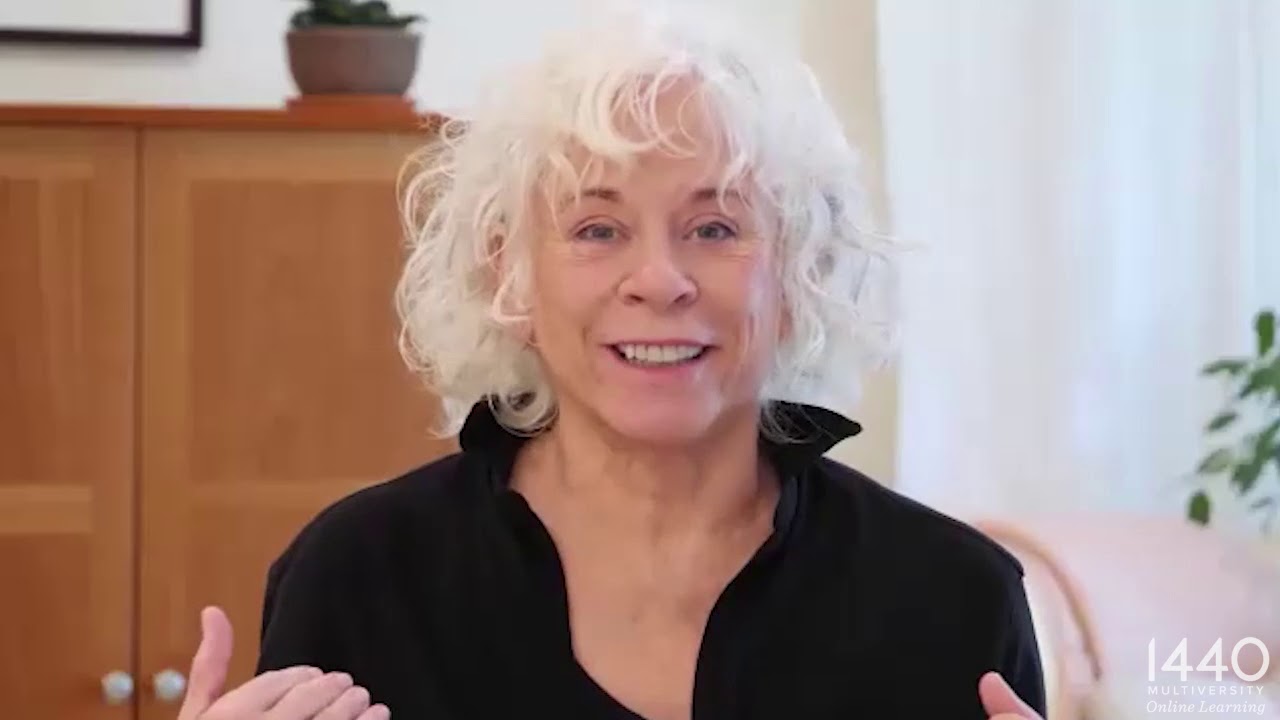
In a conversation on the 1440 Multiversity campus, Dr. Gabor Maté reframes one of our most misunderstood human struggles: addiction. The starting point is blunt. Nobody chooses addiction. And yet our legal systems, our families, our cultural instinct treats addiction as a personal failure—a character flaw, a moral lapse, evidence of weak will. This misconception carries devastating consequences: thousands jailed who shouldn't be, people ostracized and shamed, their suffering compounded rather than addressed.

But there is a second misconception, subtler and perhaps more insidious. We've been told addiction is a disease—a condition a person inherits, something that develops in the brain through no fault of one's own, a medical problem requiring medical intervention. While addiction does have features that resemble a disease, Maté argues this framing misses the central truth: addiction is a response to life experience. It is an attempt to solve a problem that existed long before the addiction took hold.

Read · 5 sections

What Is Addiction, Really?

Maté offers a working definition that cuts through both the moral judgment and the pure neurology: addiction is any behavior in which a person finds temporary pleasure or relief but suffers negative consequences as a result—and doesn't stop despite those consequences. By this measure, addiction extends far beyond substances. Alcohol, drugs, food, gambling, work, achievement, even relationships can all become addictive when they serve the same function: temporary escape from pain.

The critical move is not to diagnose but to ask the right question. When someone is addicted, the question is not "Why are you so weak?" or "What's wrong with your brain?" The real question is: What happened to you? What painful experience blocked and stifled your natural energy? What life circumstance made this addiction necessary?

In Maté's clinical work, the answer points overwhelmingly to childhood. Trauma, neglect, overwhelming stress, the loss of safe attachment—these are the original problems. The addiction is the solution, the coping mechanism the mind and body devise when nothing else seems available. "Addiction is an attempt to solve a life problem in a bad way," Maté explains, "but the problem is there before the addiction."

How Childhood Trauma Becomes Lifelong Struggle

The connection to childhood is not merely correlation. In Maté's work, it shows up consistently across his patient population. But the causation is not simple or solely personal. Stress and disconnection at every level of society—social dislocation, broken communities, spiritual emptiness, the erosion of human connection—these create the conditions in which addiction flourishes. The more fractured a society becomes, the more addiction takes root.

And the trauma doesn't begin with any single person. It moves through generations. Parents who experienced trauma often pass it forward to their children, not out of malice but because unhealed pain shapes how we relate, how we respond, how we protect ourselves. Maté speaks of this with compassion: "I didn't mean to do [this]; I did my very best, I love them. But some of that stuff was passed on." Trauma is multi-generational, yet it is not personal blame. It is rooted in life experience.

What Happens to Suppressed Pain?

Much of what we call depression is the brain's adaptation to unbearable pain. When a situation cannot be changed, the mind suppresses it. The feelings, the memories, the emotional weight—they go underground. Many people live for years unaware of what they've buried, until a somatic practice, a therapy session, or simply a direct question brings it to light.

Maté has found that accessing these suppressed experiences is not as difficult as people fear. In his work, "somebody tells me nothing never happened. Usually it takes three minutes to get associated with the memories. It's just not that difficult." There are many pathways to this work: therapy, bodywork and somatic practice, meditation, sometimes psychedelic work. Each can help move what has been buried back into consciousness, where it can finally be addressed.

Breaking the Cycle: What Actually Helps

For someone struggling with addiction, or for someone who recognizes the pattern in a friend or family member, the first step is recognition. This is not easy—it requires looking directly at pain and acknowledging that the coping mechanism, however effective in the short term, is causing harm. But once someone recognizes the pattern, Maté suggests a few concrete directions:

  • Read and educate yourself. Maté mentions his own work as one resource among many that can help people understand the roots of addiction and begin the process of self-recognition.
  • Seek somatic support. Working with the body through practices like somatic therapy, bodywork, or movement can help access what the talking mind cannot reach.
  • Ask the question. The answer doesn't come immediately, but once you ask "What happened to me? What was I trying to solve?" you begin looking. And the looking itself is transformative. The pain doesn't disappear, but it becomes less abstract, less daunting, more workable.

For those unable or unwilling to undertake deep personal work, Maté emphasizes compassion over judgment. The goal is not to shame anyone into change but to create the conditions—whether through professional help, community support, or spiritual practice—in which healing becomes possible.

Where to go from here

If you recognize addiction in yourself or someone you care for, the reframe offered here is liberating: you are not fundamentally broken; you are not morally deficient. You are someone whose brain and nervous system developed a solution to an impossible situation. That solution may no longer serve you. But understanding its origin—understanding that addiction is a response, not a failing—is the foundation on which real change is built. The question is not "Why can't you stop?" The question is "What happened, and what do you actually need?"
Comments

Loading the conversation…

Transcript

[0:05] hi I'm Noel Stearns from 14:40

[0:09] Multiversity I'm here with dr. Gabor

[0:12] they say I'm here with dr. gobbler I'm

[0:20] not a Nazi yeah I'm sorry he is teaching

[0:27] a program here this weekend and we are

[0:30] thrilled and honored to have him he is

[0:32] an expert I would say and trauma

[0:35] addiction stress that how would you oh

[0:43] yeah those are the basic Gary yeah what

[0:46] would you say is the common

[0:49] misconception on addiction and people

[0:52] who are addicted to although the two

[0:55] major misconceptions is that it's a

[0:57] choice anybody makes something that

[1:00] represents a character flaw or a mistake

[1:03] or impaired morals on their part nobody

[1:09] ever choose to be addicted so I mean

[1:11] yeah and yet you know the legal system

[1:12] treats people and it's in society to

[1:15] hold these people as if they're a person

[1:17] you culpable something so that's a major

[1:20] mistranslation effective devastatingly

[1:22] good results in a thousand people being

[1:26] jailed that shouldn't be there people

[1:29] being ostracized and judged them used to

[1:31] be they made more miserable that's one

[1:36] major misconception and the other one

[1:38] it's a bit more subtle but it's that

[1:41] addiction is a disease that's some way

[1:43] you inherit some strange reason your

[1:46] brain develops and then you have this

[1:49] medical model well know you're treating

[1:50] this condition is available in Jonas it

[1:56] has the features that make it look like

[1:58] an anonymous and relapse seeking cause

[2:00] medical problems for sure but that

[2:03] doesn't make a difference what both of

[2:07] you ignore is that addiction to actually

[2:10] a response to life experience

[2:14] I don't know you but I'll give you a

[2:17] definition of addiction that's more

[2:19] questionable

[2:20] okay so addiction is manifested in any

[2:23] behavior that a person creates finds

[2:27] temporary pleasure or anything but

[2:29] suffers negative consequences as a

[2:31] result and doesn't give up

[2:34] it's difficult to getting lesser known

[2:36] addiction so short term pleasure and

[2:39] really craving long term there's lots of

[2:42] things

[2:44] that's an addiction and that can be all

[2:47] these substances or any kind more so to

[2:50] failure so I'm gonna ask you wait here

[3:00] with your answer may be put by that

[3:01] definition may be a very addictive that

[3:03] animal Wow

[3:05] okay no no it wasn't me but I'm gonna

[3:08] ask you what was wrong I was wrong with

[3:11] it either it is new for you no choice

[3:17] gave me when I didn't think it can come

[3:23] with it come from

[3:25] so in judgment yes in other words the

[3:32] evictions you have can distort your

[3:34] problem the eviction of your temple

[3:35] starts budget in other questions comes

[3:42] what happened to you in your life that's

[3:45] suddenly your natural energy was in

[3:46] there but somehow blocked and stifled

[3:50] for something other and that's nothing a

[3:53] person has to do with your life and most

[3:56] particularly always it have to do with

[3:57] the childhood events and so you see

[4:00] addiction is a primary brain disease is

[4:03] to miss the point that actually it's an

[4:05] attempt to solve a life problem in a bad

[4:08] love problem is there before the

[4:09] addiction so those are the

[4:13] misconceptions ADA it the choice and be

[4:15] there it's a very honest so you're

[4:18] saying it often comes from childhood or

[4:21] something particular that happened in

[4:25] almost always in chocolate but but you

[4:28] can also broaden that on a social level

[4:32] the more stress there is the dislocation

[4:35] there was the more disconnection those

[4:38] and more people lose their attachments

[4:41] to others to communicate their spiritual

[4:46] wage there with a disability nature then

[4:51] wood is dislocation people's lives the

[4:54] more addiction you want to see so

[4:57] perhaps not in every case can you take

[4:59] it back to childhood from but virtually

[5:02] for the case and certainly in my work it

[5:09] shows up all the time does it accumulate

[5:12] over generations well that's the other

[5:15] thing it is not personal it's not moving

[5:17] slow its multi-generational so that pain

[5:21] experienced trauma myself very each

[5:24] other I know I passed out from under my

[5:26] children the deal with the adaptable I

[5:29] didn't mean to do my very best I love

[5:32] them but some of that stuff was that's

[5:35] not such as multi-generation it's not

[5:38] personal for anybody but it is rooted in

[5:43] life experiences your work you know what

[5:54] if we suppress those experiences so deep

[5:56] that we don't even know many people do

[6:04] we oppress have been given that

[6:06] depression is simply a child of

[6:09] adaptation when the pain is too much and

[6:12] can change the situation what else can

[6:14] you do you don't do anything the brain

[6:16] will suppress thinking with emotions

[6:19] associated with what's going on and

[6:22] that's a big monster person I tell you

[6:27] what happening this weekend road trip

[6:30] there and somebody tells me nothing

[6:33] never happened we have each other

[6:35] he usually takes three minutes

[6:37] get associated it's just not that

[6:40] difficult

[6:45] well let's want me to get there people

[6:48] may also get there through bodywork

[6:50] getting in touch with their bodies to

[6:51] vary somatic that these people can also

[6:54] get there - sometimes psychedelic

[6:57] communities which we think is very

[6:59] people you know so you know again

[7:02] suggesting anybody that could be a very

[7:10] quickly moved to the unconscious so

[7:13] there's a number of ways to get there

[7:15] other than gravity for one we are the

[7:22] one way the other I just don't find it

[7:24] that difficult to locate the source of

[7:28] people think even if they've addressed

[7:30] them because the previous this is the

[7:33] real good stuff to be festive but it's

[7:34] there so it shows up in daily life to

[7:39] see it and if someone know where they

[7:46] are addicted to something or see you

[7:50] know their friends or family struggling

[7:52] what would you suggest it's good you

[7:55] know it's so many couldn't do a full you

[7:57] can retreat manures in any way it's the

[7:59] first step I'm not pretty missable

[8:11] issues cuz open it seems so festive

[8:18] likely for me to give an answer very

[8:21] very important question but that's for

[8:23] something what I do so it's a personal

[8:27] in summation I talk about my lovely

[8:30] people but in general if somebody begins

[8:37] to recognize that there's a problem I

[8:40] mean if they come to work we can make

[8:42] sure with me by the end of that I was

[8:43] very clear idea you know that's not the

[8:46] questions is for people who are not

[8:48] going to do

[8:50] so well I not to be self-serving but I

[8:55] do suppose people be like open a subject

[8:57] in the realm of hungry boys because

[9:00] people read that book personally pull

[9:02] this over and going over you know they

[9:04] get three pieces themselves because they

[9:06] go very different myself the second

[9:11] thing if they see somebody somebody

[9:22] somatically see someone you can help you

[9:26] by cat I thought you have conscious

[9:28] defenses through that something like EMV

[9:30] are you know once you ask the question

[9:36] the answers don't come but then you look

[9:38] start looking for love with it so it's

[9:41] not as give me painful times without

[9:44] this reproductive pain in that it's not

[9:47] as daunting you just have to ask the

[9:49] question much of all I have to say about

[10:04] this has been assumed by all kinds of

[10:05] people and put on YouTube doesn't let

[10:08] anybody bring in lots of my lectures and

[10:11] talks and deals in the dictionary and

[10:13] YouTube and people are very welcome to

[10:14] just check in your mouth or the website

[10:23] www.weg.net studio

1440 Multiversity
Artist1440 Multiversity

1440 Multiversity is a 75-acre nonprofit learning retreat in the redwoods of Scotts Valley, California, founded by philanthropists Joanie and Scott Kriens and opened in May 2017. N…

View profileWebsite
Explore Topics
Addiction-recoveryTrauma-healingChildhood-woundsMental-healthConsciousness

Got Questions?

Frequently Asked Questions

Neither, in the way those terms are usually understood. Addiction is a response to life experience—an attempt to solve a problem (usually rooted in childhood trauma or ongoing stress) using a harmful coping mechanism. It has disease-like features and involves brain changes, but treating it purely as a medical condition misses the underlying life circumstances that made the addiction necessary in the first place.
Trauma and unresolved pain are passed through generations. Parents who experienced trauma often unconsciously transmit coping patterns, disconnection, and unhealed wounds to their children—not out of intention, but because their own pain shapes how they parent. This multi-generational pattern is not about moral failing; it's about the transmission of life experience.
The root is often found by asking directly: What happened to you? What were you trying to solve? Accessing this may require therapy, somatic bodywork, meditation, or sometimes psychedelic-assisted work. Many people are surprised how quickly buried memories and emotions surface once the question is asked and held with genuine curiosity.
Professional help is valuable, but recovery also happens through community, spiritual practice, reading and self-education, bodywork, and the commitment to ask difficult questions about your own history. The key is movement toward understanding rather than judgment—finding a path that works for your particular situation and support system.
Understanding the root doesn't make addiction disappear overnight, but it transforms the work. Instead of fighting a mysterious craving or moral failing, you're addressing a real life problem that the addiction was trying to solve. This shift from shame to inquiry makes the pain more workable and recovery more possible.
Societal stress, disconnection from community and spiritual life, and the erosion of meaningful human connection all fuel addiction. The more fractured and dislocation present in a society or individual life, the more addiction takes root. Healing requires not just personal work but also rebuilding connection.

Continue Reading

More on Retreats

View All
How to Stop Retelling Your Story of Suffering
Inspire

How to Stop Retelling Your Story of Suffering

Gangaji explores how our unnecessary suffering stems from repetitive storytelling—and how meeting a true teacher can reveal the peace alread…

1 min read
Beyond the Story: Freedom Begins With Stillness
Inspire

Beyond the Story: Freedom Begins With Stillness

Gangaji explores how our repeated narratives create unnecessary suffering—and how the choice to stop, listen, and open reveals what's alread…

1 min read
Govinda Jaya: How Sacred Sound Awakens the Heart
Inspire

Govinda Jaya: How Sacred Sound Awakens the Heart

Radhika Das channels the liberating power of mantra through a luminous kirtan performance at Medicine Festival, invoking divine names to pur…

1 min read
Om Namah Shivaya Chant: Ecstatic Trance Meditation
Inspire

Om Namah Shivaya Chant: Ecstatic Trance Meditation

Jai Uttal guides listeners into an ecstatic chant trance with Om Namah Shivaya, the Sanskrit invocation of Shiva consciousness. A 91-second …

1 min read

Keep exploring

Continue your journey

More wisdom and gatherings from across the BrightStar directory.

More Articles

Browse the full library of teachings, interviews, and guides.

Back to all articles →

Teachers & Artists

Explore the lineages, musicians, and guides of the conscious world.

Explore artists →

Find an Event

Kirtan, retreats, sound baths, breathwork, festivals — happening soon.

Browse events →