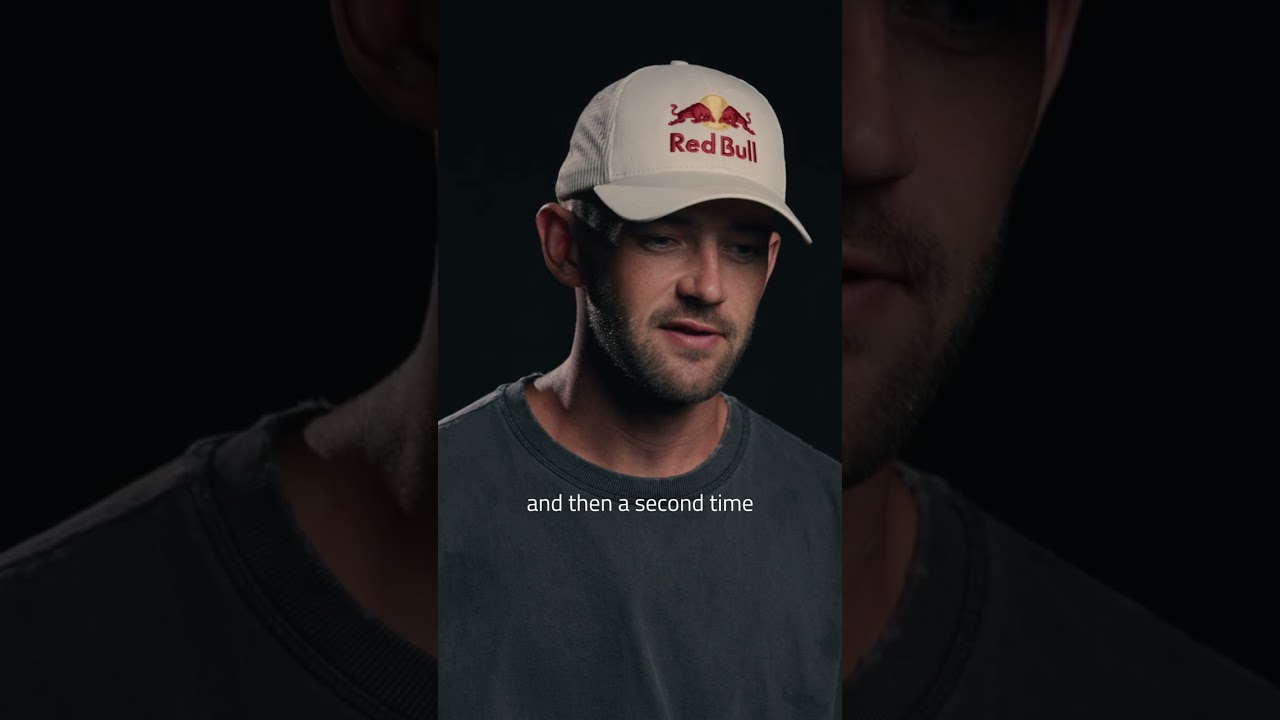
In the fast-paced world of triathlon, every detail counts, especially for elite athletes like Paula Findlay. This episode of "The Long Game" takes us behind the scenes of her preparation for the Athletic Brewing IRONMAN 70.3 Oceanside. Set against the stunning California coast, this race serves as a critical stop in the IRONMAN Pro Series, attracting the best of the best in the sport. As Paula navigates the challenges of training, equipment testing, and race strategy, we gain insight into the meticulous planning and mental fortitude required to compete at this level. Join us as we delve into the key takeaways from this enthralling episode and explore how the lessons learned can benefit endurance athletes at all stages of their journey.
Race preparation is a nuanced process that can make or break an athlete's performance on race day. Paula's journey to the Athletic Brewing IRONMAN 70.3 Oceanside underscores the importance of a strategic approach to training. From assessing environmental factors like ocean currents and wind patterns to fine-tuning her pacing strategy, every detail is meticulously analyzed. Paula emphasizes the significance of pre-race planning, which includes not just physical training, but also mental conditioning, to cultivate resilience in the face of race-day challenges.
In preparing for the Oceanside course, Paula engages in specific workouts designed to simulate race conditions. This includes interval training in open water to acclimate to the cold Pacific waters and hill repeats on the bike to replicate the course's elevation profile. By focusing on these targeted workouts, Paula is not just building endurance; she is also honing her skills to tackle the unique challenges presented by the Oceanside course.
Moreover, nutrition plays a pivotal role in her preparation. Paula relies on a carefully structured meal plan leading up to the race, ensuring she meets her carbohydrate and protein needs. With a target of 5-7 grams of carbohydrates per kilogram of body weight per day during tapering, she ensures her glycogen stores are maximized for race day. This meticulous attention to nutrition is a testament to the proactive approach elite athletes like Paula take to ensure optimal performance.
One of the standout aspects of Paula's preparation is the incorporation of wind tunnel testing. This innovative technique allows athletes to analyze their aerodynamic position and fine-tune their bike setup for maximum efficiency. By spending time in a wind tunnel, Paula can identify her optimal body position, which can significantly reduce drag and improve her overall speed on the bike course.
The data collected during these sessions is invaluable. Paula learns how slight adjustments to her bike fit, such as saddle height and handlebar position, can affect her aerodynamics. For instance, lowering her handlebars may help achieve a more streamlined posture, while also considering comfort to prevent fatigue over the longer distance. This blend of science and technique exemplifies how modern technology is revolutionizing the training methods of elite triathletes.
Additionally, wind tunnel testing not only informs bike setup but also aids in gear selection. Paula examines various wheel configurations and helmet styles to determine which combinations yield the best aerodynamic advantage. This level of detail in preparation showcases the lengths to which elite athletes will go to optimize their performance, ensuring that they leave no stone unturned in their quest for success.
As the race day approaches, Paula’s focus shifts to refining her race strategy, a blend of physical and mental preparation. One of the key components of her strategy is pacing, particularly during the swim and bike segments, where she plans to establish a solid rhythm early on. Paula aims to swim at a pace of around 1:30 per 100 meters, conserving energy for the bike and run that follow.
On the bike, her goal is to maintain a power output of approximately 200 watts, which balances speed with sustainability over the 90-kilometer course. This targeted approach ensures that she remains competitive without overexerting herself too early in the race. Paula also highlights the importance of mental toughness, especially during the latter stages of the race, where fatigue can set in. Visualization techniques and positive self-talk are critical tools in her mental arsenal.
Moreover, Paula plans to break the race down into segments, focusing on one part at a time rather than being overwhelmed by the entirety of the challenge. This technique not only helps in managing her energy expenditure but also reinforces her mental focus, allowing her to adapt to changing circumstances, such as unexpected weather conditions or shifts in her competition's performance.
The swim segment at Oceanside is not just a test of speed but also a strategic battle against the elements. Paula prepares for this challenge by training in similar open water conditions, where she practices sighting and navigating through swells. Understanding how to read the water and anticipate waves can give her a significant advantage on race day.
Paula’s swim strategy includes starting strong but controlled, as she aims to avoid the chaos of the mass start. By positioning herself strategically, she can find cleaner water and maintain her pace without expending unnecessary energy. Additionally, she incorporates breathing patterns that allow for quick adaptation to the rhythm of the race, making her more resilient against the tumultuous ocean conditions.
Nutrition during the swim is also an area Paula pays attention to. While she won’t consume calories during this segment, she focuses on hydration beforehand and ensures she has the right electrolytes in her system to remain mentally sharp. This holistic approach to the swim helps her transition smoothly into the bike leg, where she can execute her strategy effectively.
Transitioning from the swim to the bike is often overlooked, but Paula recognizes its significance in her overall race performance. Effective transitions can save valuable minutes, which can be the difference between a podium finish and a mid-pack result. Paula practices her transitions repeatedly, focusing on efficiency and speed as she moves from the swim to the bike.
Key techniques include having her gear organized and ready to go, reducing the time spent fumbling with equipment. She uses a race belt for her bib number and pre-loads her bike with essential nutrition, including energy gels and electrolyte drinks, ensuring they are easily accessible. This level of preparation emphasizes the importance of minimizing transition time, keeping her momentum going.
Moreover, Paula incorporates drills that simulate race-day transitions, allowing her to refine her movements and identify any potential areas for improvement. Practicing under race conditions helps her build confidence and reduces the anxiety that often accompanies transitions. This attention to detail is a hallmark of elite athletes and showcases how they maximize every opportunity to enhance performance.
Nutrition on race day is critical for performance, particularly during a half-Ironman distance event. Paula's fueling strategy is meticulously planned, focusing on carbohydrate intake to sustain her energy levels. She aims to consume about 60 grams of carbohydrates per hour during the bike segment, using easily digestible sources such as energy gels, chews, and electrolyte drinks.
During the run portion, Paula switches to solid foods, incorporating options like bananas and energy bars that provide both carbohydrates and potassium to prevent cramping. This strategic shift in nutrition not only keeps her energy levels stable but also helps her recover faster post-race. Paula emphasizes the importance of practicing her nutrition strategy during training to ensure her body is accustomed to the intake.
Hydration is equally vital, and Paula ensures she maintains electrolyte balance throughout the race. She plans her fluid intake carefully, aiming for about 500-750 ml of fluid per hour, depending on the heat and humidity levels of the race. This proactive approach to nutrition and hydration showcases the importance of preparation in endurance sports, ensuring athletes perform at their best when it matters most.
After crossing the finish line, the focus shifts to recovery, an often underestimated aspect of performance in endurance sports. Paula emphasizes the importance of post-race recovery to replenish glycogen stores and repair muscle damage. She prioritizes a recovery meal rich in carbohydrates and protein within 30 minutes of finishing, aiming for a 3:1 ratio to optimize muscle recovery.
In addition to nutrition, Paula incorporates active recovery strategies such as light stretching and foam rolling to alleviate muscle soreness and enhance flexibility. This holistic approach to recovery not only aids physical healing but also contributes to her mental well-being as she reflects on her performance. She takes time to analyze what went well and what could be improved, providing valuable insights for future races.
Finally, Paula acknowledges the importance of rest days in her training regimen. Allowing adequate time for recovery prevents burnout and overtraining, enabling her to stay motivated and focused for the next challenge. This balanced approach to training and recovery is a vital lesson for athletes at all levels, reinforcing the idea that success in endurance sports is a marathon, not a sprint.
Watch the complete video above for the full breakdown. For more endurance content, explore our latest articles, browse upcoming events, or discover athlete profiles on EnduranceFinder.