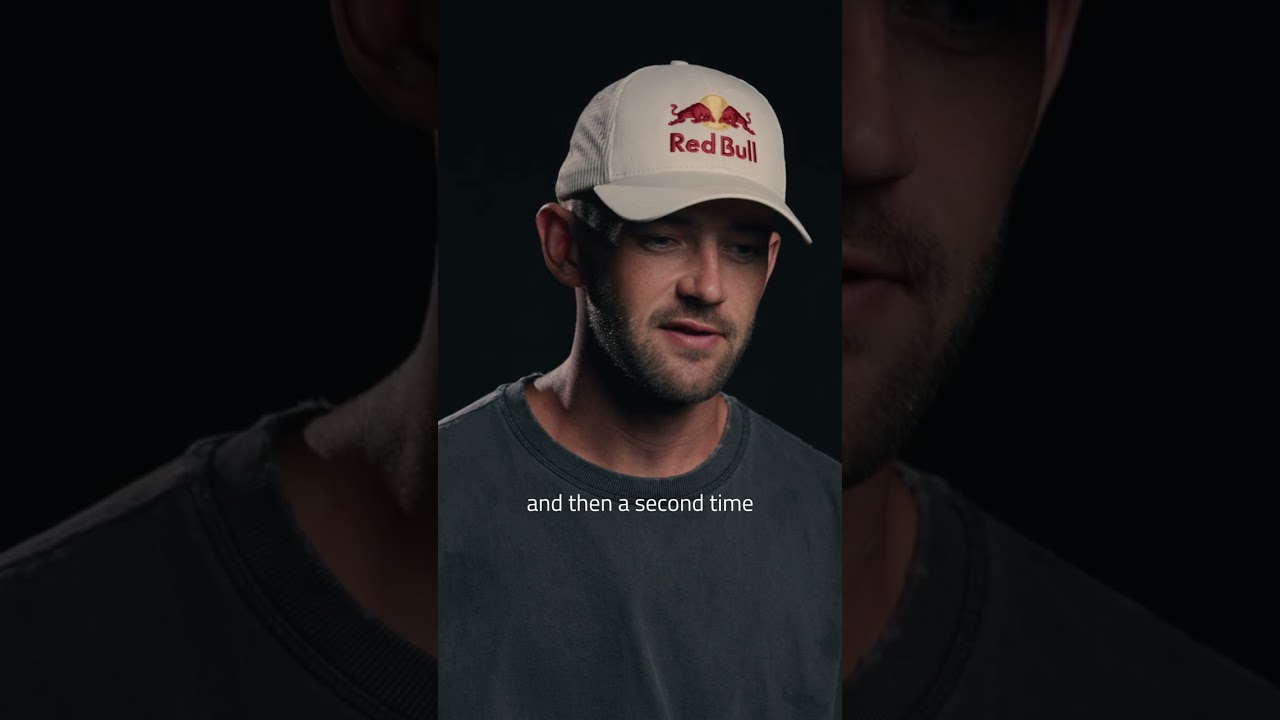
The world of triathlon is filled with extraordinary athletes who push the limits of endurance, skill, and strategy. In the latest episode of the IRONMAN Insider series, host Matt Lieto connects with three elite cyclists—Magnus Ditlev, Léon Chevalier, and Kristian Høgenhaug—who are gearing up for the challenging IRONMAN race in Nice. Each athlete brings a unique perspective on preparation, strategy, and resilience, offering valuable insights into how they navigate the complexities of their sport. This article will delve into their training regimens, mental strategies, and the tactical nuances that define their approach to racing.
Magnus Ditlev has made a name for himself as a formidable force in the cycling segment of triathlons, particularly with his podium finishes at the last two World Championships. His preparation for the Nice course has been meticulous, focusing heavily on the technical aspects of the route. By spending substantial time honing his skills on the descents, Ditlev is not only more confident but also faster compared to previous years. This highlights the importance of course-specific training, which can often be the difference between a good race and a great one.
Understanding the nuances of the bike course can dramatically impact race performance. Ditlev identifies the middle plateau section—after the main climb—as a crucial area where he plans to make his move. This strategic thinking emphasizes the need for athletes to analyze course profiles and identify segments where they can leverage their strengths. With this knowledge, Ditlev aims to position himself advantageously, ready to capitalize on any opportunities that arise during the race.
Interestingly, Ditlev has made a conscious decision to race at a slightly heavier weight to improve his durability over the course of the race. This approach serves as a reminder that endurance athletes must often balance speed with strength, especially on challenging courses like Nice. By focusing on building endurance, he aims to maintain a strong performance throughout the race, demonstrating the intricate balance between weight, power output, and overall stamina.
Léon Chevalier's progression in the sport is marked by consistent performances, including his 5th place finish in Nice in 2022 and a 4th place finish in Kona last year. However, this season has been particularly demanding for him as he juggles the rigorous IRONMAN Pro Series. Chevalier candidly shares that while this journey has left him feeling fatigued, it has also taught him invaluable lessons about his resilience. His experience serves as a testament to the mental fortitude required in endurance sports.
Racing at what he considers 75% fitness is a unique perspective that Chevalier offers. It underscores the idea that peak performance is not always about being in optimal condition but rather about understanding one's limits and still competing effectively. This mindset is crucial for athletes, particularly during long seasons where fatigue can set in. Learning to race smartly, even when not feeling 100%, can lead to unexpected successes.
Chevalier's goal for the upcoming race is to remain patient and fight for another top-10 finish. This approach highlights the importance of pacing and strategy in endurance events. Athletes must be adept at reading their bodies and the race dynamics, allowing them to make informed decisions that could lead to better overall results. Chevalier’s experience reinforces the notion that resilience is as much a mental game as it is a physical challenge.
Kristian Høgenhaug enters the Nice race with an entirely new perspective, having recently become a father. This life-changing event has provided him with a "newfound purpose" that he believes will positively influence his performance. The concept of "dad watts"—the idea that new parents may find hidden reserves of strength and motivation—has become a humorous yet relatable theme among endurance athletes. This demonstrates how personal life events can fuel athletic ambitions in unexpected ways.
Høgenhaug’s previous experiences in Nice have been challenging, marked by two DNFs. With a determination to create positive memories on this course, he is focused on transforming past disappointments into newfound motivation. His approach emphasizes the significance of mental resilience in overcoming previous setbacks and using them as stepping stones toward future success. Høgenhaug's journey serves as an important reminder that every athlete faces challenges, and how one responds to these can define their career.
In addition to his personal motivations, Høgenhaug discusses the tactical layers introduced by the Pro Series. He plans to keep a close eye on his main rivals, which adds a strategic element to his race approach. By understanding the competition and their potential strategies, Høgenhaug can position himself optimally throughout the race. This highlights the importance of not only focusing on personal performance but also on the tactical dynamics of racing against others.
The Nice course is renowned for its challenging terrain, including steep climbs and technical descents. Athletes must be well-prepared to navigate these elements effectively. Ditlev's preparation, which includes specific training on the descents, underscores the importance of understanding the course's technical demands. This preparation can vastly improve an athlete's confidence and speed on race day, making course familiarity a critical factor in performance.
In addition to the physical demands, the Nice course also requires strategic pacing. Athletes must determine how to manage their energy across the race distance, especially in technical sections where careful handling of the bike can save crucial seconds. This element of strategy is where seasoned athletes like Ditlev and Chevalier shine, as they utilize their experience to optimize their performance. Understanding when to push hard versus when to conserve energy can significantly impact race results.
Furthermore, the psychological aspect of racing on a challenging course cannot be overlooked. The mental fortitude required to tackle a demanding route like Nice is substantial. Athletes must cultivate a strong mindset to confront obstacles and maintain focus throughout the race. Techniques such as visualization, positive self-talk, and breaking the course into manageable sections can help athletes stay mentally sharp and physically prepared for the challenges ahead.
Nutrition plays a pivotal role in endurance racing, and each athlete has unique strategies tailored to their needs. Magnus Ditlev emphasizes the importance of fueling adequately throughout the race, particularly on a course as demanding as Nice. Proper hydration and nutrition can help prevent fatigue and maintain energy levels. He often focuses on a balanced intake of carbohydrates and electrolytes, ensuring he has the necessary fuel to sustain his performance during the bike and run segments.
Léon Chevalier's approach to nutrition reflects his understanding of racing at varying levels of fitness. Consuming the right amounts of nutrition can mean the difference between finishing strong and struggling in the latter stages of the race. He often utilizes a mix of energy gels and solid foods, adjusting his intake based on how he feels during the race. This adaptability is key, as athletes must listen to their bodies and modify their nutrition strategies in real-time.
For Kristian Høgenhaug, the psychological aspect of nutrition is also significant. With the pressures of fatherhood and previous race experiences, he focuses on ensuring that his nutrition plan is straightforward and easy to execute. This simplicity allows him to concentrate on racing rather than overthinking his fueling strategy. Høgenhaug’s method demonstrates that effective nutrition does not have to be complicated; sometimes, the best strategies are the ones that allow athletes to race with confidence.
As much as physical training is crucial in endurance sports, mental preparation is equally important. Each of the athletes featured in this episode understands that their mindset can influence their race performance. Magnus Ditlev speaks about the importance of being relaxed and focused, particularly when navigating technical descents. This mental clarity can enhance performance and lead to better decision-making during the race.
Léon Chevalier’s journey through fatigue and resilience highlights the mental challenges that come with competing at a high level. He has learned to embrace the difficult moments, using them to build mental strength. Athletes often face unexpected obstacles during races, and those who can maintain a positive attitude and adapt their strategies tend to perform better. Chevalier’s experience reinforces the need for athletes to cultivate mental toughness through training and race simulation.
Kristian Høgenhaug’s newfound purpose as a father adds another layer to his mental preparation. The motivation derived from personal experiences can provide athletes with the drive needed to push through tough moments during the race. This connection between personal life and athletic performance is powerful, illustrating how emotions can fuel physical endurance. Høgenhaug’s approach demonstrates that mental preparation should encompass not only race strategies but also personal motivations that inspire athletes to reach their goals.
In the world of endurance sports, having a robust support system is essential for success. Each of the athletes in this episode acknowledges the role of their teams, coaches, and families in their preparation. Magnus Ditlev, for instance, emphasizes the support he receives from his coaching staff, who help him analyze course data and refine his strategies. This collaborative approach ensures that he is well-prepared for the unique challenges of the Nice course.
Léon Chevalier’s experience in the IRONMAN Pro Series demonstrates the importance of camaraderie among athletes. Training alongside other elite competitors can provide valuable insights and motivation. The shared experiences of facing tough training sessions and races foster a sense of community, encouraging athletes to push each other to new heights. This interconnectedness is vital in a sport where individual effort is paramount.
For Kristian Høgenhaug, becoming a father has also expanded his support system. The encouragement from his partner and family as they navigate this new chapter of life together adds a layer of motivation that fuels his training and racing. This holistic approach to support can significantly impact an athlete's performance, underscoring the idea that success in endurance sports is often a collective effort, involving not only the athlete but everyone who supports them.
Watch the complete video above for the full breakdown. For more endurance content, explore our latest articles, browse upcoming events, or discover athlete profiles on EnduranceFinder.