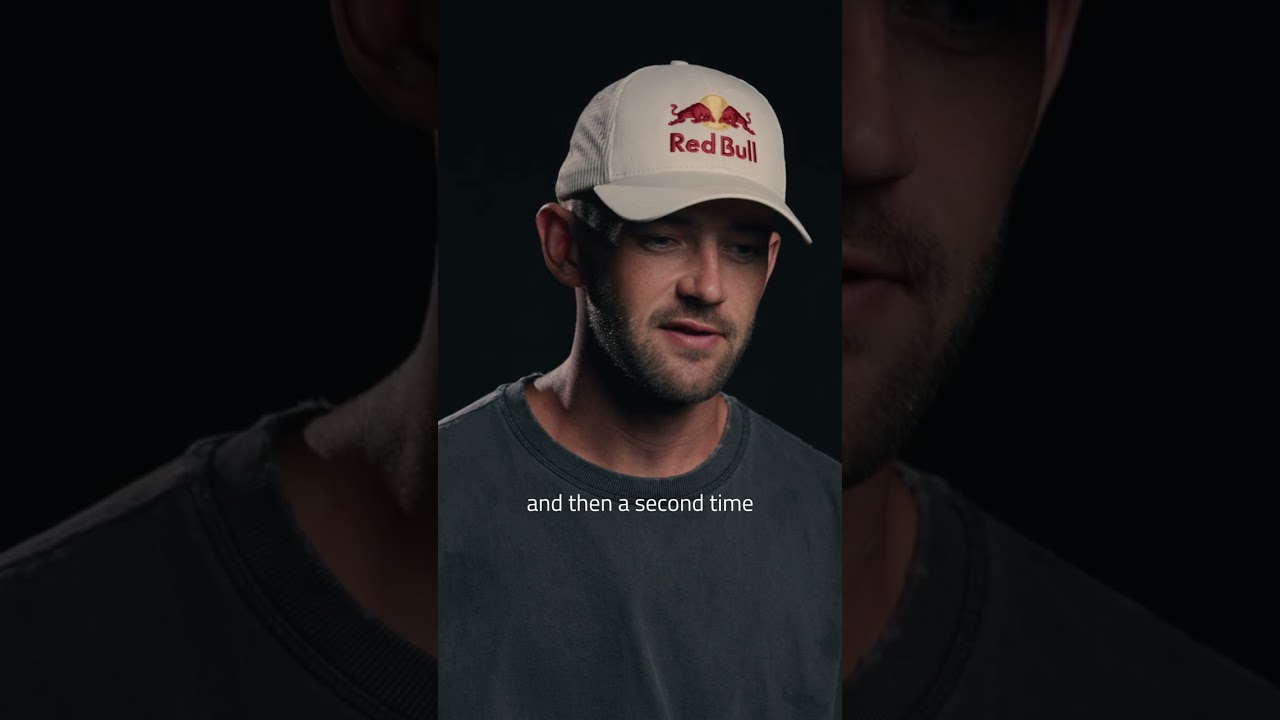
As the IRONMAN World Championship approaches, the spotlight often shines on seasoned veterans and perennial favorites. However, a new wave of emerging athletes is ready to disrupt the status quo. In the latest episode of "IRONMAN Insider," host Matt Lieto introduces three underdogs: Jamie Riddle, Harry Palmer, and Nick Thompson. Each athlete brings a unique story and approach to the race, showcasing the evolving landscape of long-course triathlon and the depth of talent in the sport. This article dives deeper into their journeys, training strategies, and what makes them formidable contenders in Nice.
Jamie Riddle, a South African triathlete, has quickly made a name for himself in long-course racing. Having only completed his first IRONMAN earlier this year, Riddle's trajectory has been nothing short of remarkable. His journey highlights the importance of adaptability and learning in the sport. With a solid background in shorter distances, he has transitioned to the longer format with confidence and ambition, aiming to leverage his strengths in the swim to create an early advantage.
Riddle's transformative experience at a training camp with Sam Laidlow emphasized the need for strategic and controlled training. Instead of constantly pushing high intensity, he learned the value of smart pacing and focus on technique. This approach has not only improved his endurance but also enhanced his mental fortitude, allowing him to race with a clear plan. His newfound strategy is to exploit his explosive swim speed, aiming to break away early and then settle into a sustainable pace for the remainder of the race.
As he gears up for the IRONMAN World Championship, Riddle is confident in his abilities. He understands the dynamics of the race and plans to use his skills effectively. By focusing on smart pacing during the bike and marathon segments, he aims to conserve energy for a strong finish, potentially catapulting him into the top ranks. His story serves as an inspiration for aspiring triathletes, proving that with the right mindset and preparation, rapid growth in the sport is achievable.
UK triathlete Harry Palmer enters the IRONMAN World Championship with a refreshing perspective. With a season packed with racing and personal milestones, including purchasing his first home, Palmer has adopted a “bonus race” mentality. This approach allows him to enjoy the experience rather than succumb to pressure, a lesson many athletes can learn from. His focus on maintaining a relaxed mindset is crucial, especially when competing at such a high level.
Palmer's busy racing calendar has taught him valuable lessons about balance and prioritization. He has participated in five races over two months, each one contributing to his growth as an athlete and content creator. This dual focus enhances his resilience and adaptability on the race course. Understanding the importance of a well-executed race plan, Palmer is committed to respecting the distance and pacing himself accordingly, which is vital for success in long-course events.
In his quest for a top-15 finish, Palmer emphasizes the need for patience and strategic execution. Acknowledging the challenging course ahead, he plans to stick to his race strategy, avoiding the temptation to push too hard too soon. This level-headed approach will be crucial as he navigates the demanding terrain and unpredictable conditions of the IRONMAN World Championship. Palmer's journey underscores the significance of a positive mindset and strategic planning in endurance sports.
Australian triathlete Nick Thompson, often referred to as “the silent horse,” embodies resilience and determination. With a strong performance history, including a breakthrough at IRONMAN Cairns and a podium finish at the IRONMAN 70.3 World Championship in Zell am See, his journey showcases the power of perseverance. Thompson's experiences have shaped his approach to racing, making him a compelling contender in the upcoming championship.
Thompson's motivation extends beyond personal achievement; it is deeply rooted in the resilience of a close friend who survived a serious cycling accident. This personal connection fuels his determination to push through challenges on the race course. By drawing strength from his friend's journey, Thompson reminds himself to dig deep and stay focused, especially during the tough moments of a race. This emotional anchor can be a powerful tool in an athlete's arsenal, providing a source of strength when fatigue sets in.
As Thompson prepares for the IRONMAN World Championship, he reflects on the lessons learned from his strong season. His strategy involves leveraging his recent experiences to maintain confidence and composure, particularly during critical race segments. By focusing on pacing and nutrition, including optimal hydration and energy gels, he aims to sustain a competitive edge throughout the race. Thompson's story is a testament to the resilience of the human spirit and the importance of mental fortitude in endurance sports.
Transitioning to long-distance racing requires a shift in training philosophy. Athletes like Jamie Riddle have realized the importance of controlled training over relentless intensity. This approach allows for better recovery and improved performance in longer races. Implementing structured training sessions that emphasize endurance, strength, and technique can lead to significant gains. For instance, Riddle’s training camp with Sam Laidlow focused on smart pacing, a key element for long-course success.
Incorporating varied training sessions, such as interval workouts and long rides, enhances overall performance. Riddle’s explosive swim speed can be honed through specific drills, while Palmer’s emphasis on respecting the distance can be supported by gradually increasing weekly mileage. Athletes should focus on building a strong aerobic base, which is essential for sustaining energy levels during the race. This foundational work sets the stage for successful race execution.
Nutritional strategies also play a crucial role in preparing for long-distance events. Athletes should experiment with different nutrition plans during training to identify what works best for them. For instance, maintaining adequate carbohydrate intake before and during the race can help optimize performance. Consuming energy gels, electrolyte drinks, and whole foods in appropriate amounts ensures that athletes have the fuel needed for the rigors of an IRONMAN. These strategies are vital for both physical and mental endurance.
Mental toughness is a critical component of success in endurance sports, especially for newcomers like Harry Palmer. The ability to remain focused and resilient under pressure can make the difference between a good race and a great race. Athletes must develop strategies to manage pre-race nerves and stay in the moment during competition. Palmer’s “bonus race” mentality demonstrates how a positive outlook can alleviate stress and enhance performance.
Visualization techniques are effective tools for building mental resilience. Athletes can practice mental imagery of their race day, visualizing each segment and anticipating challenges. This preparation helps in developing a race plan that includes coping mechanisms for potential setbacks. Additionally, mindfulness practices, such as meditation and breathing exercises, can improve concentration and reduce anxiety, allowing athletes to stay present and focused during the race.
Support systems also play a vital role in fostering mental toughness. Encouragement from coaches, family, and friends can bolster an athlete's confidence and motivation. Nick Thompson’s story emphasizes the impact of personal connections on performance; drawing strength from his friend's resilience inspires him to push through challenges. Building a strong support network can provide emotional stability and encouragement, crucial elements for success in endurance racing.
Preparing for race day involves meticulous planning and execution. Athletes like Nick Thompson emphasize the importance of sticking to their race strategies, especially in a demanding event like the IRONMAN World Championship. This includes pacing, nutrition, and hydration tactics tailored to individual needs. Establishing a clear race plan, which outlines specific goals and strategies for each segment, is essential for maintaining focus and adaptability on race day.
Pacing is a critical component of long-course racing. Athletes should be aware of their target power outputs on the bike and their projected finish times for the run. Utilizing tools like heart rate monitors or power meters can help maintain the desired intensity. Athletes should practice their pacing strategies during training to better understand their limits and how to optimize performance on race day. This preparation ensures they can execute their plan effectively, reducing the risk of burnout.
Nutrition strategies should also be well thought-out and practiced in advance. Athletes must determine the right balance of carbohydrates, electrolytes, and hydration for their individual needs. For instance, consuming 60-90 grams of carbohydrates per hour during the bike segment can help sustain energy levels. Additionally, pre-race fueling is crucial; athletes should experiment with what works best for them, whether it's a big breakfast or a light snack. Proper race day nutrition can significantly impact performance and recovery.
The stories of Jamie Riddle, Harry Palmer, and Nick Thompson exemplify the evolving landscape of endurance sports. Each athlete represents a new wave of talent that is eager to make their mark in triathlon. Their journeys highlight the importance of dedication, resilience, and the willingness to learn from experiences. As they prepare for the IRONMAN World Championship, they not only chase personal goals but also inspire others in the sport.
Building a legacy in endurance sports involves more than just racing; it encompasses sharing experiences and knowledge with others. Athletes like Palmer, who balances racing with content creation, contribute to the sport's growth by inspiring future generations. By documenting their journeys, these athletes foster a community of support and encouragement for aspiring triathletes, showcasing the values of perseverance and commitment.
Ultimately, the underdogs of today may become the champions of tomorrow. As they compete in the IRONMAN World Championship, their performances will not only define their careers but also influence the trajectory of the sport. By embracing challenges and pursuing excellence, they pave the way for a brighter future in endurance sports, embodying the spirit of competition and camaraderie that defines triathlon.
Watch the complete video above for the full breakdown. For more endurance content, explore our latest articles, browse upcoming events, or discover athlete profiles on EnduranceFinder.