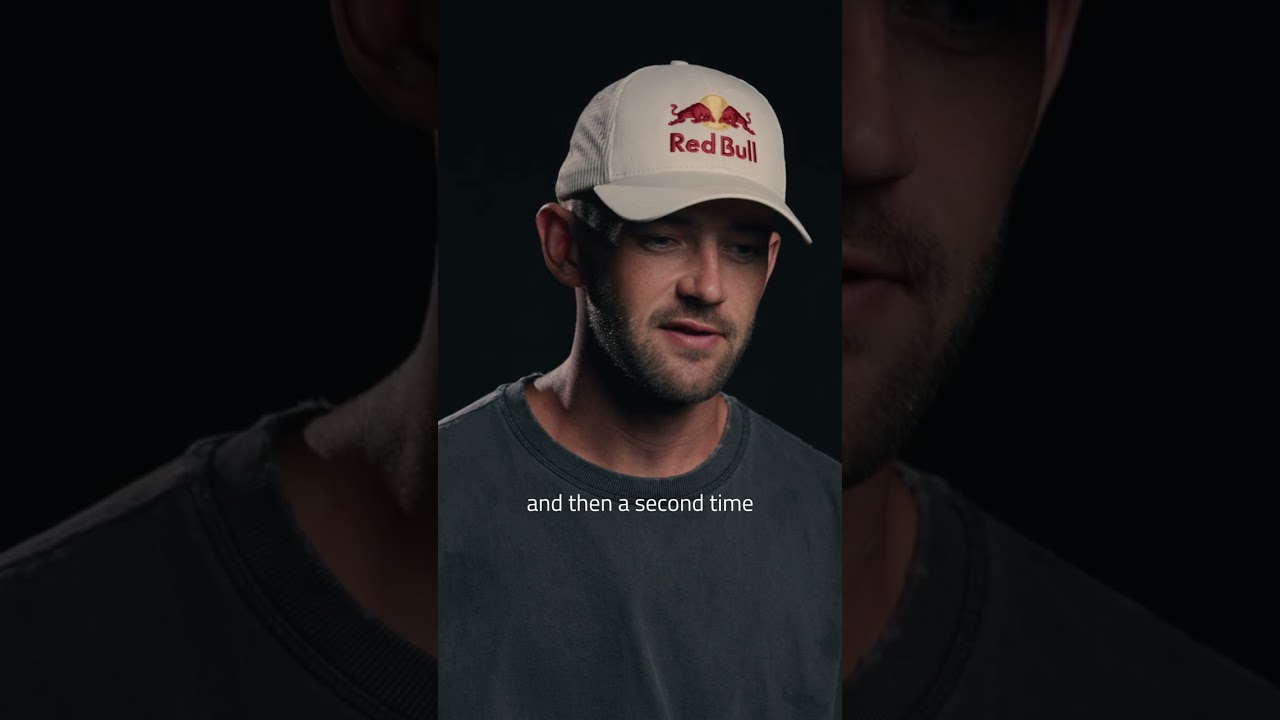
The world of triathlon is a constant dance between physical resilience and mental fortitude, especially when it comes to the IRONMAN World Championship. In the latest episode of IRONMAN Insider, host Matt Lieto engages with three remarkable athletes—Sam Laidlow, Marten van Riel, and Matthew Marquardt—who each share unique insights into their journeys leading up to this prestigious event. Their stories of overcoming adversity, refining training approaches, and mastering race strategies provide not only inspiration but also valuable lessons for aspiring triathletes and seasoned competitors alike. Let's delve deeper into their experiences and glean actionable insights that can enhance your own endurance training and racing strategies.
Sam Laidlow: A Champion's Journey
Defending champion Sam Laidlow's narrative begins with a significant health challenge: a reactivation of the Epstein-Barr virus. This setback forced him to adopt a new mindset focused on quality rather than quantity in his training. Laidlow emphasizes that this shift allowed him to hone in on what truly matters in preparation—health and well-being. By listening to his body, he learned to prioritize recovery and mental clarity, which ultimately contributed to his success as a competitor.
Laidlow's experience serves as a reminder that numbers and metrics in training—while important—should not overshadow the holistic aspects of preparation. He found that training on lower volumes but with greater intensity led to breakthrough performances. This approach enabled him to cultivate "inner peace and confidence," essential attributes as he gears up to defend his title in Nice. His story highlights the importance of adaptability in training regimens.
As he approaches the IRONMAN World Championship in France, Laidlow's perspective on racing has evolved. He now understands that the emotional and psychological components of training are just as vital as physical conditioning. This newfound balance may well be the key to maintaining his championship title, reminding athletes everywhere of the power of a positive mindset and the importance of mental health in sports.
Marten van Riel: Overcoming Setbacks
Marten van Riel's journey to the World Championship is marked by turbulence, including a significant ankle injury that limited his training just weeks before the race. Despite what could have been a catastrophic setback, van Riel shares how he reframed his expectations leading into this crucial competition. The psychological effects of lowered expectations can often liberate an athlete, allowing them to race without the pressures that might otherwise hinder performance.
His injury forced him to adopt a different training strategy, including a four-week run block that emphasized recovery and rehabilitation. This experience taught him the value of flexibility in training plans, where adaptation becomes a key element. Van Riel's ability to pivot his focus toward the strengths he possesses—such as his swimming and cycling—illustrates the importance of knowing one’s own capabilities and leveraging them effectively on race day.
As he prepares for the IRONMAN World Championship, van Riel expresses excitement about racing on a course that aligns with his strengths. His experience serves as a valuable lesson for athletes facing their own challenges: sometimes, the greatest growth comes from navigating obstacles and learning to trust in one's abilities, regardless of the circumstances. This mindset can help triathletes to remain resilient and focused, even in the face of adversity.
Matthew Marquardt: A Season of Transformation
Matthew Marquardt's season has been a study in contrasts, moving from early-season frustrations to impressive victories at IRONMAN Cairns and Lake Placid. His story emphasizes the critical nature of adaptation in training, especially as he navigated through physiological challenges like quad spasms in T1. By understanding the underlying causes of these issues, he has been able to implement strategies that minimize their impact on his racing.
Marquardt provides insights into the physiological mechanisms behind his quad spasms, explaining how this knowledge has influenced his training. His focus on energy conservation during the bike leg has allowed him to unleash a formidable run, which he believes is essential to competing with the best in the world. This tactical evolution showcases how athletes can refine their approach to enhance overall performance.
His journey also underscores the importance of mental resilience and perseverance. After facing setbacks early in the season, Marquardt's ability to recalibrate his focus and execute a strategic race plan has proven crucial in his recent successes. For aspiring triathletes, his experience highlights that setbacks can serve as powerful learning opportunities, ultimately leading to more robust racing strategies and improved performance on race day.
The Importance of Mental Health in Endurance Sports
The discussions among Laidlow, van Riel, and Marquardt emphasize an often-overlooked aspect of endurance sports: mental health. Athletes are frequently pressured to achieve specific metrics and results, which can create a toxic environment if not managed correctly. Laidlow’s shift towards a holistic approach to training is a testament to the necessity of prioritizing mental well-being alongside physical fitness.
Engaging in mindfulness practices, recognizing the signs of burnout, and allowing for ample recovery time are critical components of maintaining mental health in endurance sports. Each athlete's journey illustrates that performance peaks are often preceded by valleys of struggle, and how one navigates these challenges can significantly impact overall success. Athletes should foster a supportive community and seek professional help if needed, ensuring they have the tools to maintain mental resilience.
Creating an environment that values mental health will not only improve individual performance but also enhance the collective spirit of the endurance sports community. Athletes need to remember that it’s okay to take a step back to focus on mental clarity, as this can lead to greater performance outcomes in the long run. The balance between mind and body is essential for any triathlete aiming for success.
Nutrition Strategies for Endurance Athletes
Nutritional strategies play a pivotal role in the success of endurance athletes, particularly in the lead-up to significant events like the IRONMAN World Championship. Each athlete discussed in the episode has tailored their nutrition plan to support their unique needs and racing strategies. For instance, Marquardt highlights the importance of fueling effectively during the bike leg to maintain energy levels for the run.
Incorporating specific macronutrient ratios can significantly impact performance. Athletes often aim for a balance of carbohydrates, proteins, and fats tailored to their training intensity and duration. For example, a general guideline for endurance athletes is to consume 60-90 grams of carbohydrates per hour during long events to maintain optimal glycogen levels. Understanding personal energy needs is crucial for successful race execution.
Hydration also plays a critical role in nutrition strategies. Athletes must be aware of their sweat rates and adjust their fluid intake accordingly. Electrolyte balance is essential, especially in hot conditions, where dehydration can significantly hinder performance. Testing different nutrition strategies during training will allow athletes to find what best suits their digestive comfort and energy requirements, leading to better outcomes on race day.
Crafting a Race Day Strategy
Developing a comprehensive race day strategy is essential for endurance athletes aiming to optimize their performance. Each athlete's experience highlights the importance of having a clear plan that includes pacing, nutrition, and mental preparedness. Laidlow’s journey emphasizes that confidence can stem from preparation, which is vital when facing the pressures of defending a title.
Understanding the course profile and conditions can inform pacing strategies. For instance, knowing where the hills are located on the bike course can help in deciding when to conserve energy and when to push harder. Athletes should practice their pacing during training sessions to develop a sense of what sustainable effort feels like over the entire race distance.
Additionally, mental strategies should not be overlooked. Visualization techniques, positive affirmations, and even developing a mantra can help athletes remain focused and composed during the race. Marquardt’s evolution in racing strategy showcases how mental preparation can be as critical as physical training. Crafting a holistic race day plan that encompasses physical, nutritional, and mental elements will set athletes up for success.
Community Support and Training Environments
The stories of Laidlow, van Riel, and Marquardt also highlight the significance of community support and training environments in an athlete’s journey. The camaraderie among triathletes can be a powerful motivator, offering both encouragement and accountability. Building a supportive training network can foster a positive atmosphere that enhances individual performance.
Training camps and group sessions provide opportunities for athletes to learn from one another, share experiences, and refine their skills. These environments can help athletes push through tough training blocks and celebrate victories, reinforcing the importance of community in the pursuit of endurance goals. Engaging with a diverse group of athletes can also expose individuals to various training techniques and strategies.
Moreover, participating in local races can provide invaluable experience and help build confidence before tackling larger events like the IRONMAN World Championship. The shared journey of training and racing can create lasting bonds, reminding athletes that they are not alone in their pursuit of excellence. Community support is a vital component of any athlete's success, providing both emotional and practical benefits.
Watch the Full Video
Watch the complete video above for the full breakdown. For more endurance content, explore our latest articles, browse upcoming events, or discover athlete profiles on EnduranceFinder.